Trusting in the Philippine revolution: Insights on international solidarity
Sylvie, an activist based in the United States, recalled how they were introduced to the national democratic movement a few years ago. A background in the natural sciences had left them feeling frustrated with how the academe presented climate change as something detached from the politics of capitalism and imperialism. After sharing their frustrations with a friend, their journey as a supporter of the Philippine revolution began with a lent copy of Araling Aktibista (ARAK, one of the courses offered by PADEPA or national democratic school).
“ARAK certainly got me interested in learning more, and from there it was followed by more readings like Philippine Society and Revolution that really made me understand imperialism more, as a real thing experienced by people in the Philippines,” they shared.
Not long long after, they would get the chance to visit the Philippines on a solidarity trip. As they toured parts of the countryside and got the chance to interact with local peasant organizations, all the educational discussions about the semicolonial and semifeudal character of Philippine society became real.
Sylvie explained, “Before coming to the Philippines, I had built this theoretical understanding of what feudalism, semifeudalism was, based on readings and discussions. You sort of have this picture in your head like the class triangle, and then suddenly you see what it’s really like on the ground. Coming here and actually seeing how the feudal structure is being maintained by US imperialism and bureaucrat capitalism, learning from farmers firsthand what it’s like, was an eye-opening experience.”
Aside from the concrete situation on the ground, Sylvie also witnessed the reality of the people’s struggle—a “principled people’s movement”—with peasant communities remaining organized in the face of severe state repression. On top of this, what snippets they heard of the activities of the New People’s Army in the area they visited, showed how the locals understood the root causes of armed revolution deeply. “With all the people we talked to, no one said a bad thing about the NPA. It was clear to many that if the reactionary government doesn’t provide for the people, what choice do people have but to fight and take up arms?”
Inspired by their trip to the countryside, Sylvie now understands with greater reason the importance of international solidarity work for national liberation movements like the one in the Philippines. “You really see how grateful people on the ground are for your presence and time, and how these solidarity trips can lend them strength to keep on fighting,” they said.
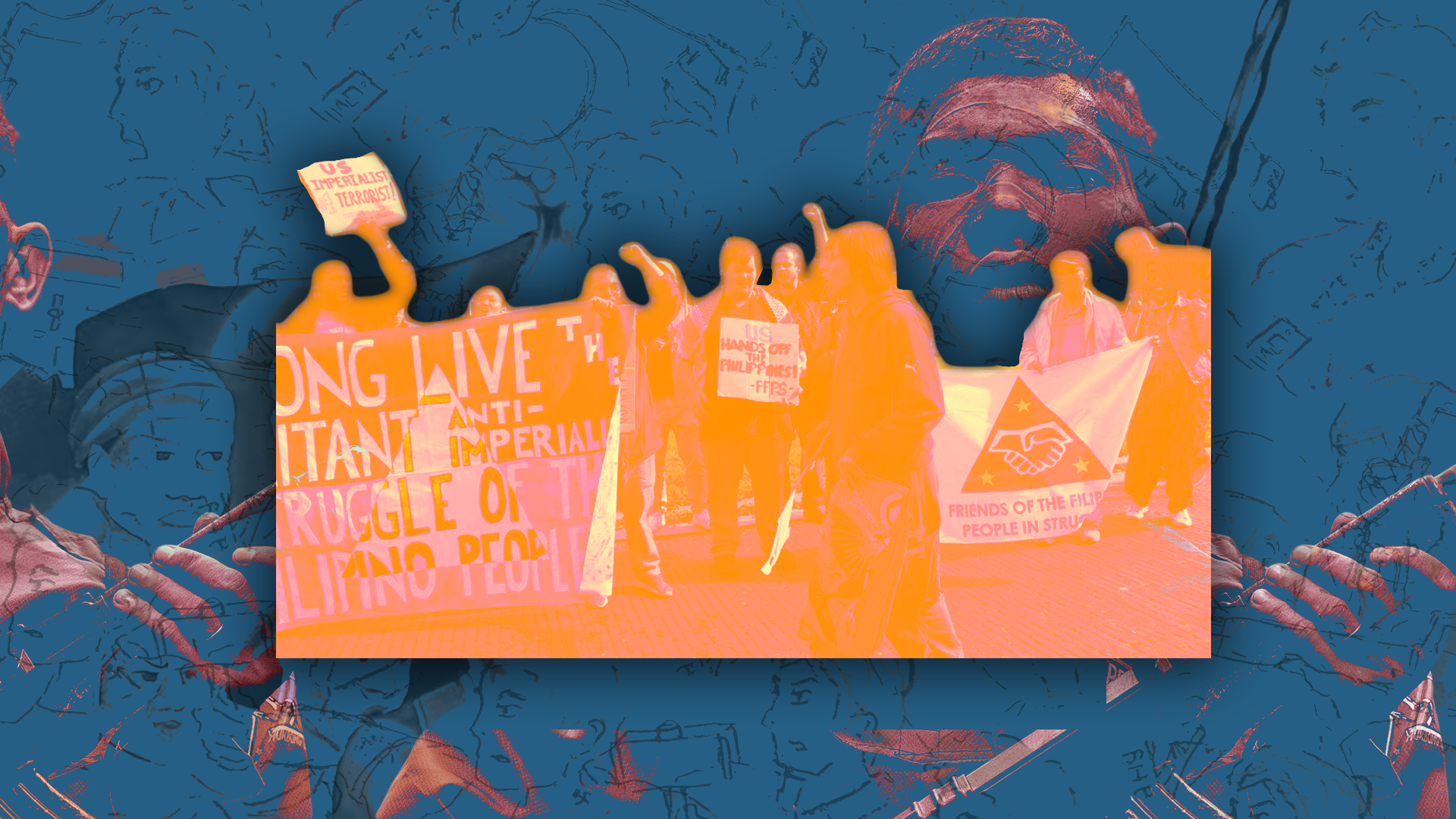
“It can be hard sometimes to make people care, especially since the Philippines seems so far away from places like the United States. That’s why sharing our experiences from this kind of visits, and also hearing firsthand from people on the ground, is so valuable.”
The clear involvement of the United States in supplying arms and military support for the reactionary Philippine government also makes it clear how international activists like Sylvie can provide support for the progressive and revolutionary movement on the ground. Opposing military deals between the Philippines and the United States, for example, is a concrete way international solidarity can effect changes in the lives of Filipinos being targeted by the “counterinsurgency” operations of the Armed Forces of the Philippines.
The current global situation, plagued by imperialist crisis and war, has put a spotlight on national liberation movements across the world, from Palestine to India to the Philippines. Reflecting on how international solidarity in its various forms and expressions has grown as of late, Sylvie recognized the significance of building organizations.
“One thing I appreciate about the Philippine revolutionary movement is how organized and disciplined it is, even in the international level. All across the globe, there are activists expressing solidarity and tangibly support Filipino revolutionaries. And all of this solidarity, I think, is anchored on this deep sense of trust in the Filipino people, in their ability to win against imperialism, and liberate their country from oppression.” (Bernadette Rojo)