Human rights groups mark International day in support for torture victims
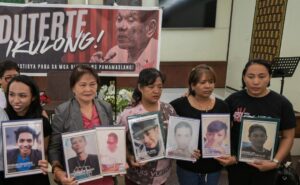
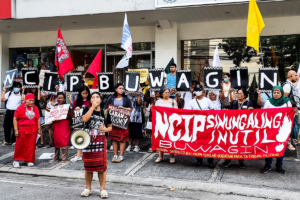
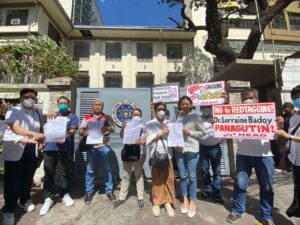
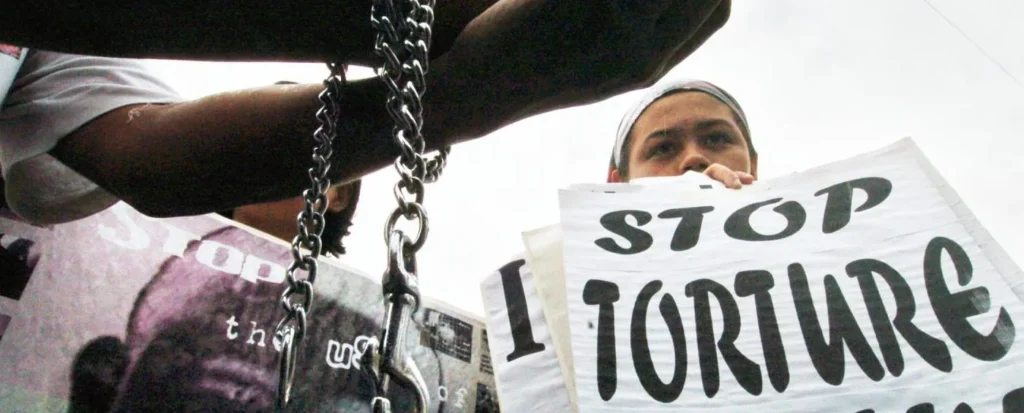
On June 26, human rights groups marked the International Day in Support of Victims of Torture before the Department of Justice (DOJ) and other locations. They called for immediate action against torture and abuse in prisons. Led by Kapatid, a support group for political prisoners, the groups urged the Commission on Human Rights and the Senate and House committees to investigate the systematic use of torture and other cruel punishments, and to conduct inspections in all detention centers, especially in facilities where political prisoners are held.
“June 26 is more than a symbolic date when the UN Convention Against Torture and Other Cruel, Inhuman or Degrading Treatment or Punishment came into effect in 1987,” Kapatid spokesperson Fides Lim said. “It is a moral and legal reminder to the Philippine government to honor its binding obligations (under the guidelines)… and to its own 2009 Anti-Torture Law …which remains grossly unenforced to this day.”
Karapatan recorded 745 political prisoners in the Philippines, 100 of whom have serious illnesses and 106 are elderly. Some of the elderly and seriously ill are Rosita Taboy, Ruben and Presentacion Saluta, Frank Fernandez, Prudencio Calubid Jr., Alberto and Virginia Villamor, and Estelita Almanza.
SELDA reported that it has recorded 27 individuals who became victims of torture under the Marcos Jr regime. Political prisoners also experience various forms of physical, mental, and psychological torture.
Among those abused are prisoners from Negros Island: Andres Casido, Jojo Orates, and Renel Remasog, who were all arrested without a warrant and subjected to physical and mental torture.
“Those arrested in rural areas or suspected of NPA links are particularly vulnerable to beatings, threats, sleep deprivation, and prolonged interrogation,” said Lim.
In Pagbilao District Jail in Quezon, the nine political prisoners are prohibited from interacting with each other, placed under lockdown every 4 p.m., and often denied dinner. Their cell is flooded and dirty, making them vulnerable to skin diseases and other infectious illnesses. They are charged high fees for food and communication.
In addition, political prisoners are labeled as “CTG” (Communist Terrorist Group) or “VEO” (Violent Extremist Offenders). Such signs are placed outside their cells, and they are red-tagged even inside the prison. Their families and lawyers face difficulties in visiting them. There are cases of illegal strip searches, such as paralegal Niezelle Visaya’s ordeal.
Even Fides Lim was arbitrarily barred from entering the Bureau of Corrections because of her continued criticism of the prison’s arbitrary policies.
“When did it become a punishable act to insist on delivering food to starving prisoners or to object to unjust procedures and policies?” she said.
On the 38th year of the UN Convention Against Torture, Kapatid reiterated seven demands: investigate all reports of torture, hold perpetrators accountable, ensure prisoners’ access to food and medicine, end solitary confinement and arbitrary restrictions, release the elderly and the sick, respect the rights of families and supporters, and implement the UN recommendation to abolish the NTF-ELCAC.
“June 26 is not just a date, it is a necessity,” Lim concluded. This day reminds us that the fight for dignity and human rights does not end as long as there are victims of torture and abuse in society.