Lower tariffs on imported rice face to depress rice prices
The market price of rice decreased by less than a peso, five months after Ferdinand Marcos Jr signed Executive Order No. 62 which lowered tariffs on imported rice from 35% to 15% for the next four years. Marcos and his economic managers had promised that this would lower the price of rice to ₱29/kilo.
To cover up their broken promise, the regime’s officials revised the projected price reduction to ₱5-₱7/kilo in August. By September, the Department of Agriculture secretary was already downplaying the projected effect of Marcos’ EO, which the latter boasted was a solution to the high price of rice. Marcos signed the EO in June, and the tariff reduction was implementation in August.
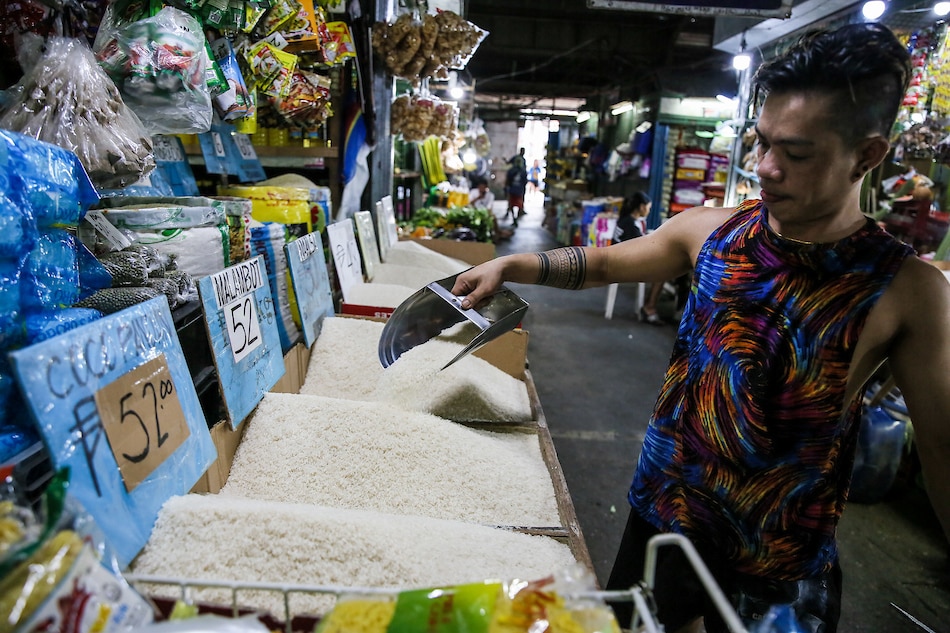
The latest Philippine Statistics Office data indicate that the average price of regular-milled rice remained at ₱50.22/kilo in October, only ₱0.44 lower than the ₱50.66/kilo price in August. The average price of well-milled rice also remained high at ₱55.28/kilo in October, only ₱0.28 lower than the ₱55.56/kilo price in August.
This is despite the country importing 3.29 million metric tons of rice from January to October this year. (This is expected to increase to 4.6 MMT by the end of the year, 84% higher than the target set by the 2018 Rice Liberalization Law.)
Farmers’ groups have long been denouncing the rice import liberalization policy and the Marcos regime’s EO No 62. Not only have these failed to lower the price of rice, its has also resulted in the further poverty of Filipino farmers. While the price of rice remains high, merchants are lowering farmgate prices of local palay because of the excessive importation.
In Laguna, for example, palay farmgate price only reach ₱15/kilo. This is a heavy burden on farmers whose farms were devastated by the typhoon.
“Palay is now very cheap at only ₱15/kilo. The farmers are really miserable. They haven’t even harvested and palay is not even ripe yet,” said the Bantay Bigas group. “Marcos Jr is undoubtedly destroying the country’s ability to produce its own food and food security.”