Prices of goods and services remain high in September
“Prices still rose although at a slower pace,” the Ibon Foundation clarified regarding the Marcos regime’s claim of a decline in inflation and unemployment in September. From 3.3% in August, the inflation rate was said to have decreased to 1.9% in September.
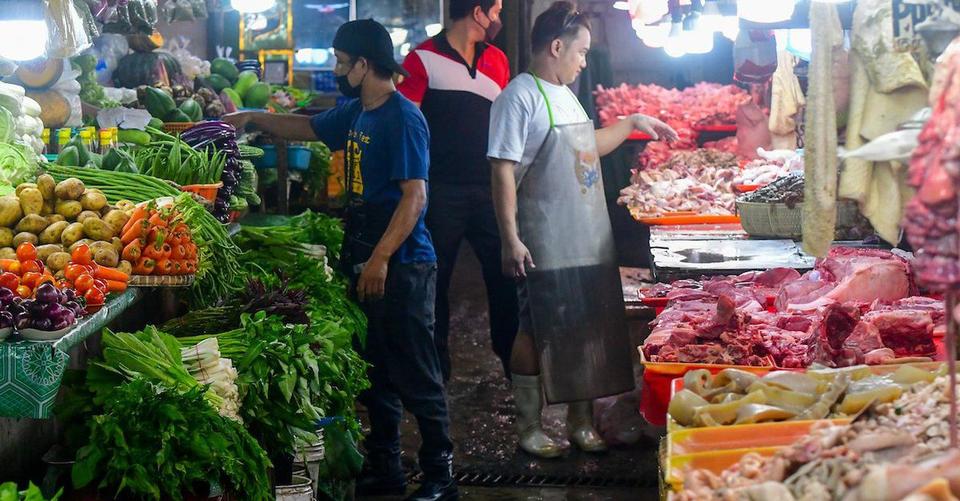
However, the rice prices increased by ₱3-₱4 per kilogram. The ₱50/kilo price range of rice remains more common in markets than the ₱43-₱46/kilo price range claimed by the regime’s economic officials. The prices of vegetables and meat also increased by up to ₱12/kilo.
“The slowdown in inflation is mostly due to lower global oil prices and the weakening dollar, rather than to any fundamental changes making the domestic production of goods and services cheaper,” the group said.
The import-dependent Philippine economy is vulnerable to changes in the price of imports including oil, it says. For instance, crude oil price in the global market has decreased by $10/barrel, from $90/barrel to $80/barrel since the start of the year. At the same time, the peso strengthened against the dollar.
As in the past, the continuing inflation rise still mainly affects the 30% of the poorest Filipino families. In September, they endured a 2.5% inflation rate, almost double the national average.
Meanwhile, only a few of the regions have increased the minimum wage. Only the regional wage boards in NCR (₱35), Calabarzon (₱21-₱75), and Central Visayas (₱33-₱43) have given a meager increases.
Ibon estimated that the average nominal wage of workers for September is only ₱448. This is 63.1% short of the ₱1,213 daily minimum wage a typical five-member family needs to live decently.