Rice industry liberalization and deregulation burdens the people
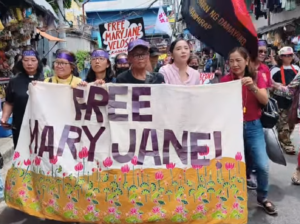
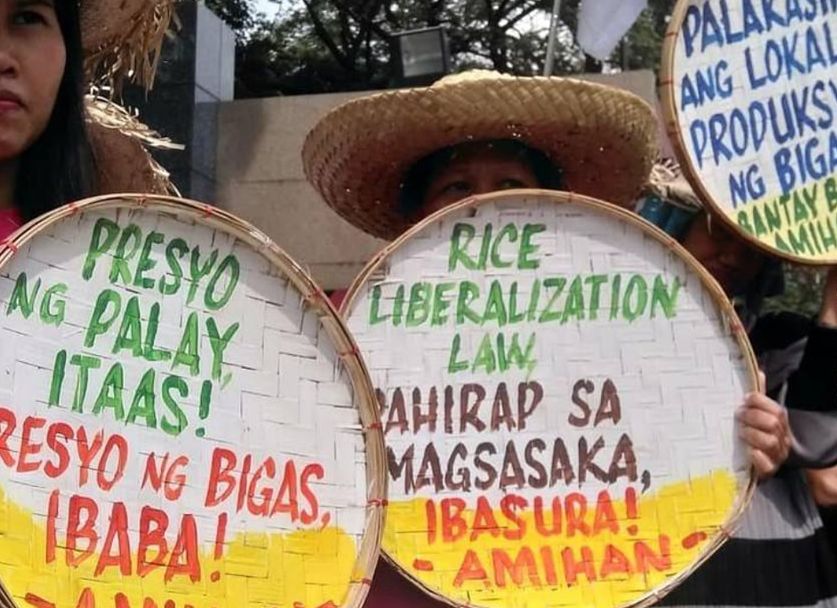
The Amihan Federation of Peasant Women has once again denounced the neoliberal policies of liberalization and deregulation in the agricultural sector, which have not only worsened the situation for farmers but also for the general public. They particularly condemned the Rice Liberalization Law (RLL), which not only opened the country to unrestricted rice imports but also removed state regulation of the rice industry, leading to higher prices in the market.
“Since the National Food Authority (NFA) lost its regulatory powers to stabilize prices, the poor can no longer find ₱27 to ₱32 per kilogram of rice, and imported rice has flooded the market, causing farm gate prices to plummet and plunging farmers into poverty,” the peasant women group stated. “The monopoly of importers and private traders has continued, with market prices of rice in the country reaching over ₱50 per kilogram.”
The Department of Agriculture has also acknowledged the need to restore some of the NFA’s functions that the RLL removed, such as its authority to directly sell rice in the market. It was revealed that the NFA holds nearly six million sacks of rice that are close to rotting because the NFA is not allowed to sell them at a price lower than the market rate.
“We have repeatedly stated, even before the Rice Liberalization Law was enacted, that imports would not lower prices because of the dictates of monopoly traders to maintain their massive profits,” Amihan Secretary General and Gabriela Women’s Party second nominee Cathy Estavillo, said. “The number one promoter of this law now is the Marcos regime which defends monopoly traders, importers, landlords, and impoverishes farmers and poor consumers.”
The volume of imported rice is increasing, but its price in the market remains high. Even the regime’s tariff reduction on imported rice by 35% to 15% has not pulled down prices.
“Those who benefited from this are the large trader-importers, not the poor consumers, while it has devastated the peasant livelihoods nationwide,” said Estavillo.
“They refuse to admit that the root cause of all this is the rice liberalization and the country’s neoliberal policies. The deliberations in the Lower House and Senate took so long, while the law itself that is the root of the recurring rice crisis is right in front of their faces: the liberalization, deregulation, and privatization that removed state regulation through the NFA, left prices uncontrolled, and allowed the private sector to dominate,” she added.
The Amihan and peasant groups are calling for the repeal of the RLL and the restoration of the NFA’s authority to purchase local rice that can be sold at a lower market price.