Tacloban school violence, product of a rotten system
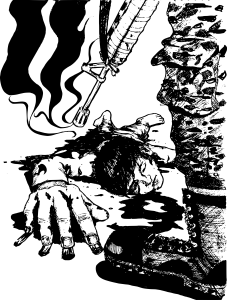
The Special Office for the Protection of Children (SOPC) of the National Democratic Front of the Philippines (NDFP) extended its condolences to the families, relatives, classmates, teachers, and communities affected by the tragic school shooting in Tacloban City on June 22. It is not only an individual tragedy but a symptom of a decaying system.
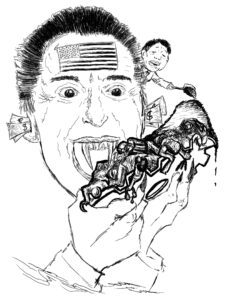
The school shooting in Tacloban exposes the violent and destructive character of Philippine society that shapes the lives of Filipino children, according to the SOPC. Under the current system, a culture of violence and impunity has become the norm. Every day, children witness severe poverty, state fascism, corruption, and the lack of real opportunities for their future. In such conditions, violence becomes part of a child’s consciousness.
The SOPC opposed attempts by the reactionary government to use the tragedy to push anti-child policies. It is wrong to use this incident as a reason to lower the minimum age of criminal responsibility, the office said. Such proposals do not address the root causes of violence and merely shift the blame to the children themselves. The real issue is dismantling the culture of impunity promoted by the ruling class, not imposing heavier punishment on children.
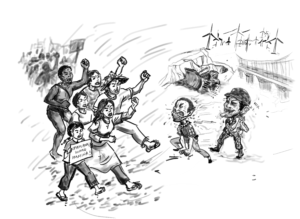
The NDFP shared that in revolutionary areas, the organs of political power (people’s governments) actively implement programs for children’s welfare. These include literacy and education campaigns based on the conditions of their communities. Their aim is to raise children as responsible members of society with a high degree of social consciousness.
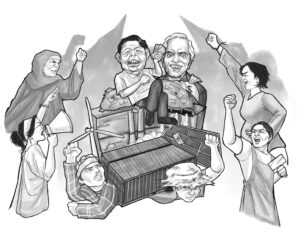
Recognizing that children prosper when their families and communities are empowered is fundamental to the NDFP’s perspective. Landlessness, unemployment, low wages, forced migration, and the absence of social services undermine children’s welfare. Hence, genuine child protection cannot be separated from the struggle for land reform, national industrialization, economic, sovereignty, and democratic rights.