Fisherfolk demand strengthening local fisheries sector, not importation, amid drop in catch
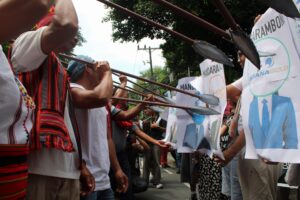
The Pambansang Lakas ng Kilusang Mamamalakaya ng Pilipinas (Pamalakaya, or National Strength of the Fisherfolk Movement in the Philippines) condemned on February 11 the Department of Agriculture’s latest plan to import fish amid what it claims to be a shortage in local production.
“We are urgently reminding the DA not to use the reported annual decline in fish production as a pretext for importing tons of fish, which would further harm the livelihoods of local fishers,” Pamalakaya chairperson Fernando Hicap said.
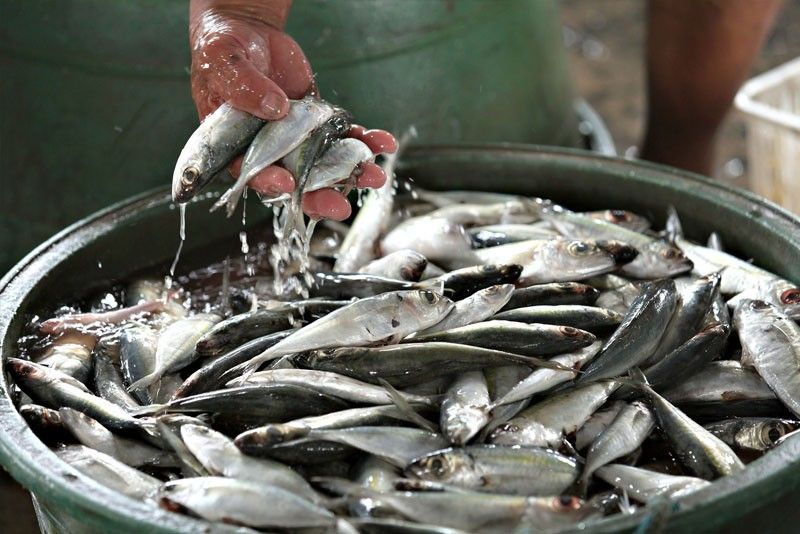
The Philippines has imported more than 200,000 metric tons of fish each year over the past eight years. During this period, the annual catch of local fisherfolk has fallen by 45,472 metric tons—or 45 million kilos—since 2010. Worse, beyond decreased production, farmgate prices have dropped because of the flooding of fish imports from China, Taiwan, and Vietnam.
“The published study showing the continuing decline in fish production is not merely data; it is a manifestation of the worsening condition of small fisherfolk resulting from government neglect,” Hicap said.
The state’s incompetence that harm local fisheries include its failed response to calamities, its continued implementation of projects that destroy fishing grounds and marine ecosystems such as reclamation activities, and authorizing commercial operations within municipal waters (the 15-kilometer waters from coasts).
The collapse of local fish catch is the subject of a study released by Oceana Philippines in the first week of February. Local fish production reportedly dropped from 2.6 million MT in 2010 to only 1.9 million MT in 2023. The study identified the main culprits behind the decline as the government’s failed management, excessive fishing by commercial vessels, illegal and unregulated fishing, and the destruction of fishing grounds.
According to the state’s own data, since 2017, 88% of fish stocks have been “overfished,” catching fish too rapidly without allowing them to grow or reproduce.
The report also estimated that about 353,000 fisherfolk families have sunk deeper into poverty because of the collapse of their livelihoods. Nearly 100,000 of them are considered “food-poor,” or lacking proper nutrition.