Removal of taxes on LPG and kerosene is token and performative
The Marcos regime’s removal of the excise tax on liquefied petroleum gas (LPG) and kerosene this April is performative and deceptive. This provides the appearance that the regime is taking action on rising prices, while actually shielding big oil companies from accountability for overpricing and obstructing substantial rollbacks in diesel and gasoline prices.
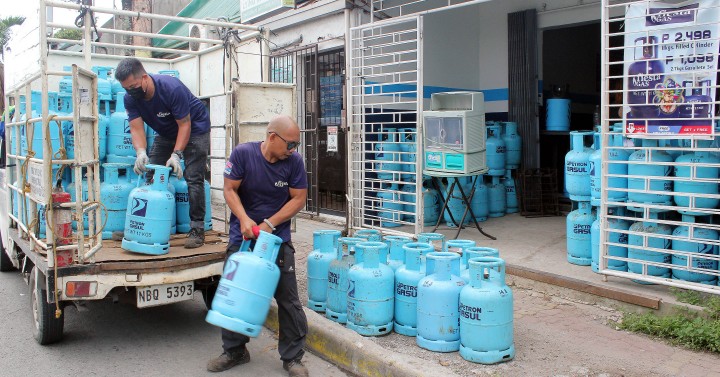
Data from the Ibon Foundation shows that only 7.1 million (51%) of the poorest 14 million families in the country use LPG. This means nearly half, or 6.9 million families, will gain nothing from this tax removal. And for those who do use LPG, they will save only ₱13–₱18 per month. On average, a poor family buys only four to six 11-kilogram LPG tanks in a year.
Meanwhile, removing the tax on kerosene is even more pointless because fewer than one million of the poorest families use it.
According to Ibon, removing the excise tax on LPG and kerosene also serves to avoid a more a more substantial removal of VAT and excise tax on diesel and gasoline. It said that suspending the excise tax on gasoline and diesel, along with the VAT on all petroleum, would mean lower prices for transportation, food, electricity, and other basic goods and services. Each poor family would save an estimated ₱450–₱550 per month in direct and indirect benefits.
Instead of providing genuine relief to the people, the Department of Finance (DOF) prioritizes the interests of big corporations and oil cartels, according to Ibon. The DOF claims that only the richest 30% of families would benefit from removing taxes on gasoline and diesel. It deliberately disregards the more than 3.4 million trucks, buses, jeepneys, and other public utility vehicles that use diesel and gasoline, which are directly linked to many Filipino families and to the transport of food and other basic necessities.
Amid the regime’s minimal and nearly useless response to the crisis, the people continue to suffer from high prices of food, transportation, and electricity while a few monopolies bloat themselves in profit.