Teachers urge solving functional illiteracy with additional budget, teachers, and facilities
News recently highlighted the widespread functional illiteracy among high school graduates. According to state data, up to 20% of senior high school graduates in 2024 cannot comprehend what they read.
According to the Alliance of Concerned Teachers-National Capital Region (ACT-NCR), this alarming statistic reflects the worsening crisis in the country’s education system.
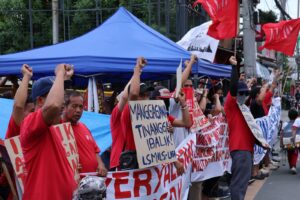
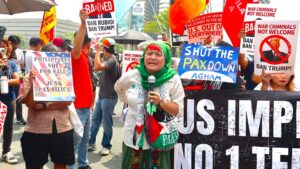
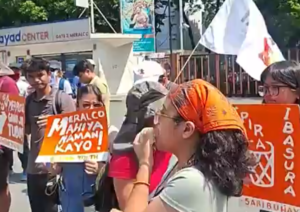
“We are no longer surprised by the results of this study. We feel the crisis in education every day—stemming from inadequate budgets, insufficient support for teachers and students, and poor school conditions,” ACT-NCR Union president Ruby Bernardo said. “The real question is: when will our government leaders be alarmed enough to take decisive action? How many more studies do we need before they realize that band-aid solutions are simply ineffective?”
Based on the Functional Literacy, Education, and Mass Media Survey (FLEMMS) of the Philippine Statistics Authority, almost 19 million Filipinos who finished junior and senior high school struggle to understand what they read despite years of schooling. It is estimated that only 79% of senior high school graduates are “functionally literate,” or have the ability to read, write, count, and comprehend information. Functional illiteracy affects individuals’ ability to perform daily tasks such as understanding instructions or filling out documents.
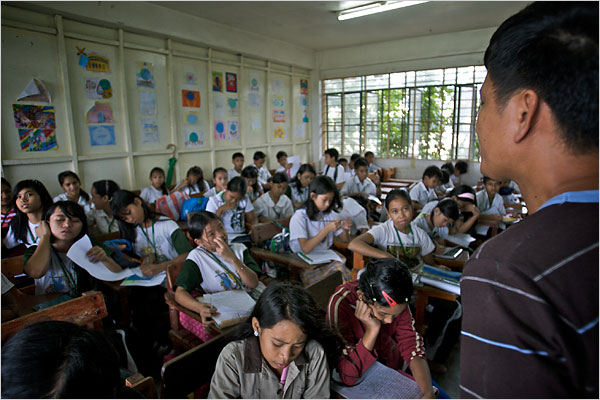
Bernardo said the current education budget of ₱965.26 billion for 2025 is only 3.6% of the country’s GDP, far from UNESCO’s recommended 6%. “The decades-long lack of budget has caused severe shortages including 250,000 classrooms and 150,000 teachers,” she said. “It is impossible to achieve a manageable 1:35 teacher-student ratio with shortages of this magnitude.”
Following the correct ratio is important to restore the quality of education. “The current situation is not suitable for effective learning,” she said.
Bernardo added that it is not just “ideal” but “crucial” to increase the budget. She criticized the “pouring of funds into endless construction of big-ticket infrastructure projects that don’t bring real progress,” corruption and kickbacks of those in power, and excessive military spending that drains the nation’s resources.
Beyond the issue of funding, the union called for comprehensive reform in the education system. It proposed overhauling the “colonial and market-driven orientation” of education, aimed at producing cheap and semi-skilled labor for foreign capital. It pushed for a nationalist, scientific, and mass-oriented education system that will teach basic literacy using national and local languages to build a strong foundation for the country.
“The study of Philippine history and culture should be strengthened in the curriculum to develop national identity and love of country,” Bernardo added.
The union also emphasized the importance of academic freedom and protection of the rights of students and education workers. It urged Filipino voters to prioritize education in the upcoming 2025 elections.