Workers demand ₱1,200 living wage nationwide on May 1
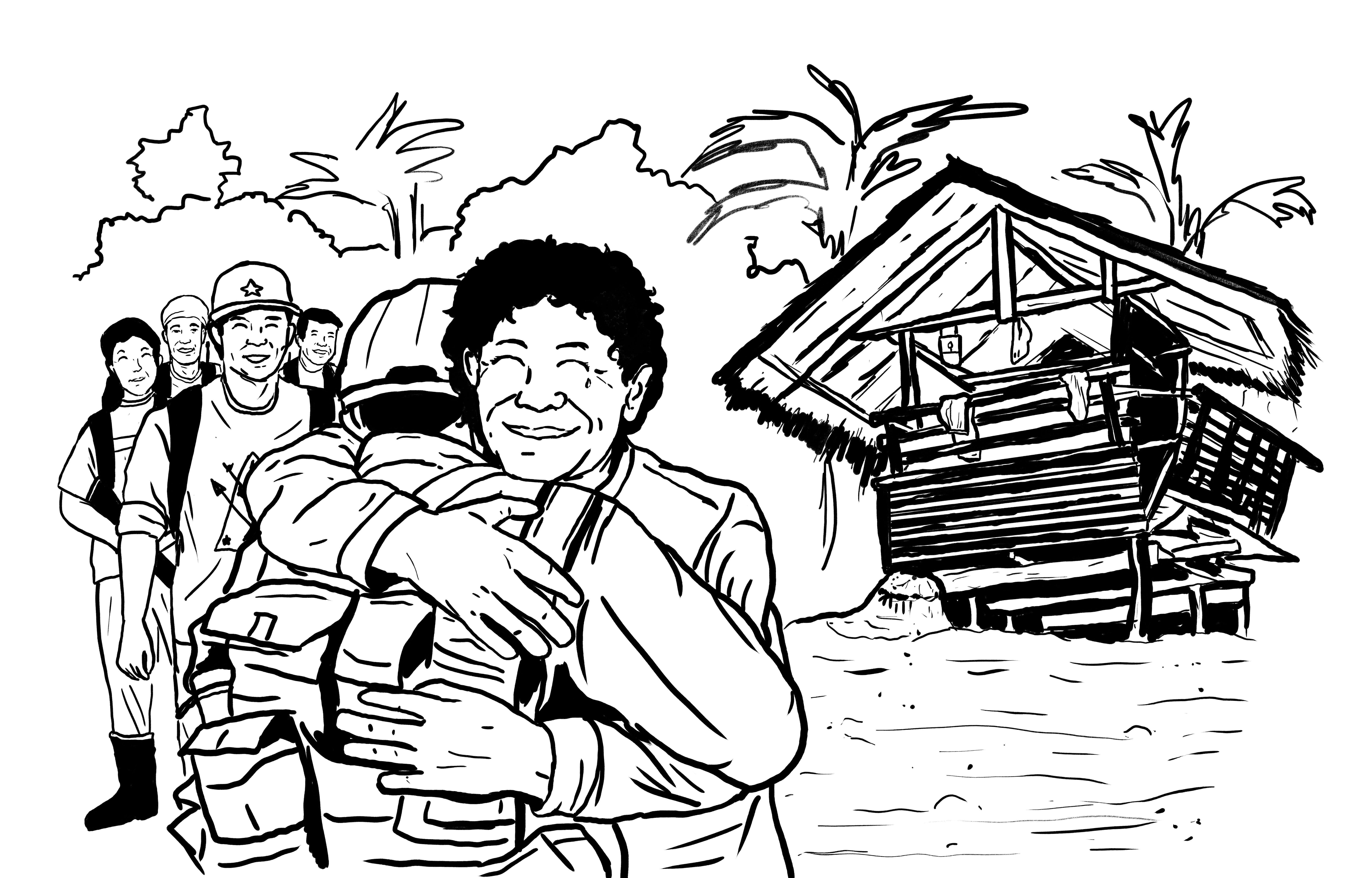
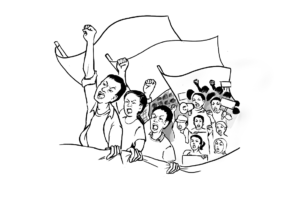
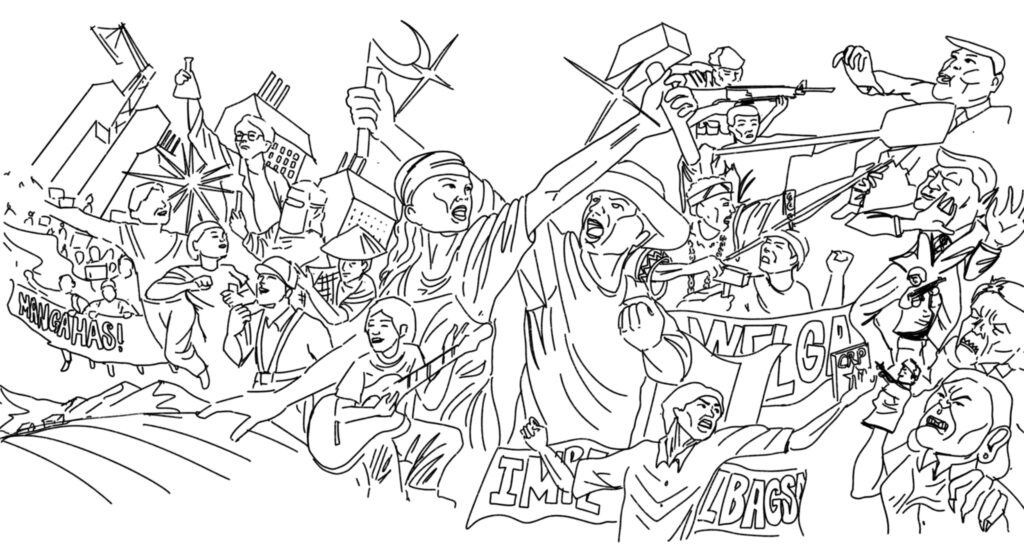
More than 7,000 workers, together with the youth and other democratic sectors, marched to Mendiola in Manila on May 1, Labor Day. They demanded raising wages to a living level across the country. Workers in the cities of Baguio, Angeles, Calamba, Naga, Cebu, Iloilo, Roxas, Bacolod, and Davao, and in the town of Rosario in Cavite held similar actions.
Workers said the minimum wage should be raised to the living level of ₱1,200 due to the rising cost of living and decades of suppressed wage increases. At present, workers receive only 36% to 54% of their needs. They demanded the dismantling of the regional wage boards that grant only meager increases. They also called for an end to contractualization and for defending the right to unionize, as well as the right to strike and to collective bargaining.
₱200 across-the-board
Alongside the call for a living wage, the National Wage Coalition (NWC) pushed for the legislation of a ₱200 wage increase to immediately provide relief to workers. The coalition is advancing this proposal amid years of delays in wage increase bills in Congress and the Senate. If passed, this would be the first nationwide wage increase legislated in the past 36 years. The NWC is composed of 30 labor centers, including the Kilusang Mayo Uno.
As expected, Ferdinand Marcos only repeated previous statements of “studying” the proposal. This is the opposite of the regime’s swift passage of an executive order that added ₱200 to the daily allowance of soldiers and police this year.
Wage discrimination in the countryside
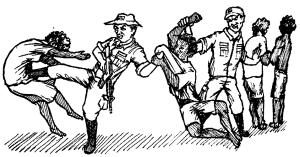
Agricultural workers also called for a living wage on Labor Day. According to the Union of Agricultural Workers (UMA), if urban wages are already low, farm workers’ wages are even lower despite their crucial role in food production.
Rural workers suffer virtual “third class citizen” treatment, according to UMA. In Eastern Visayas, for example, agricultural workers receive only ₱390, which is just 32.5% of a living wage. In Negros, where large haciendas are located, thousands of farm workers are bound to a piece-rate system, receiving even less than the set minimum wage for agricultural workers.
In addition to meager wages, they also face inhumane and life-threatening working conditions. They are often exposed to hazardous chemicals, extreme heat, and other situations that are harmful to their health.
Challenge to Filipino workers
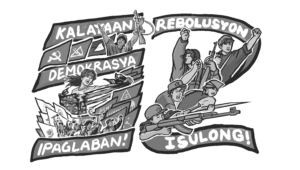
The Communist Party of the Philippines statement on Labor Day urged Filipino workers to unite and act as a solid backbone, a broad force, and a leader in the Filipino people’s struggle for national and social liberation.
They must advance militant union struggles to fight for a living wage and defend the democratic interests and welfare of workers, it said. They must uphold and use the strike as a weapon in their economic and political struggles.
The Party said Filipino workers must ground their ranks at the forefront of the people’s struggles, including the fight against corruption of the ruling regime, fascist crimes, relentless inflation, and unrestrained rice importation. They must amplify the call for genuine land reform, national industrialization, and national democracy.
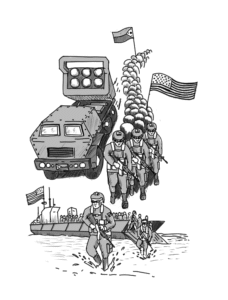
They must also oppose Balikatan and war games that provoke US-led wars and the Marcos regime’s subservience to its imperialist master. It also called on Filipino workers to show solidarity with the Palestinian people against the genocide of the Zionist state of Israel.