Correspondence The unwavering support of the masses
It was already dusk when comrades approached the hut of Mang Nestor (not his real name), a rattan gatherer, along the Ilagan-Divilacan Road. Since it was beside the road, they decided to wait for nightfall before heading there.
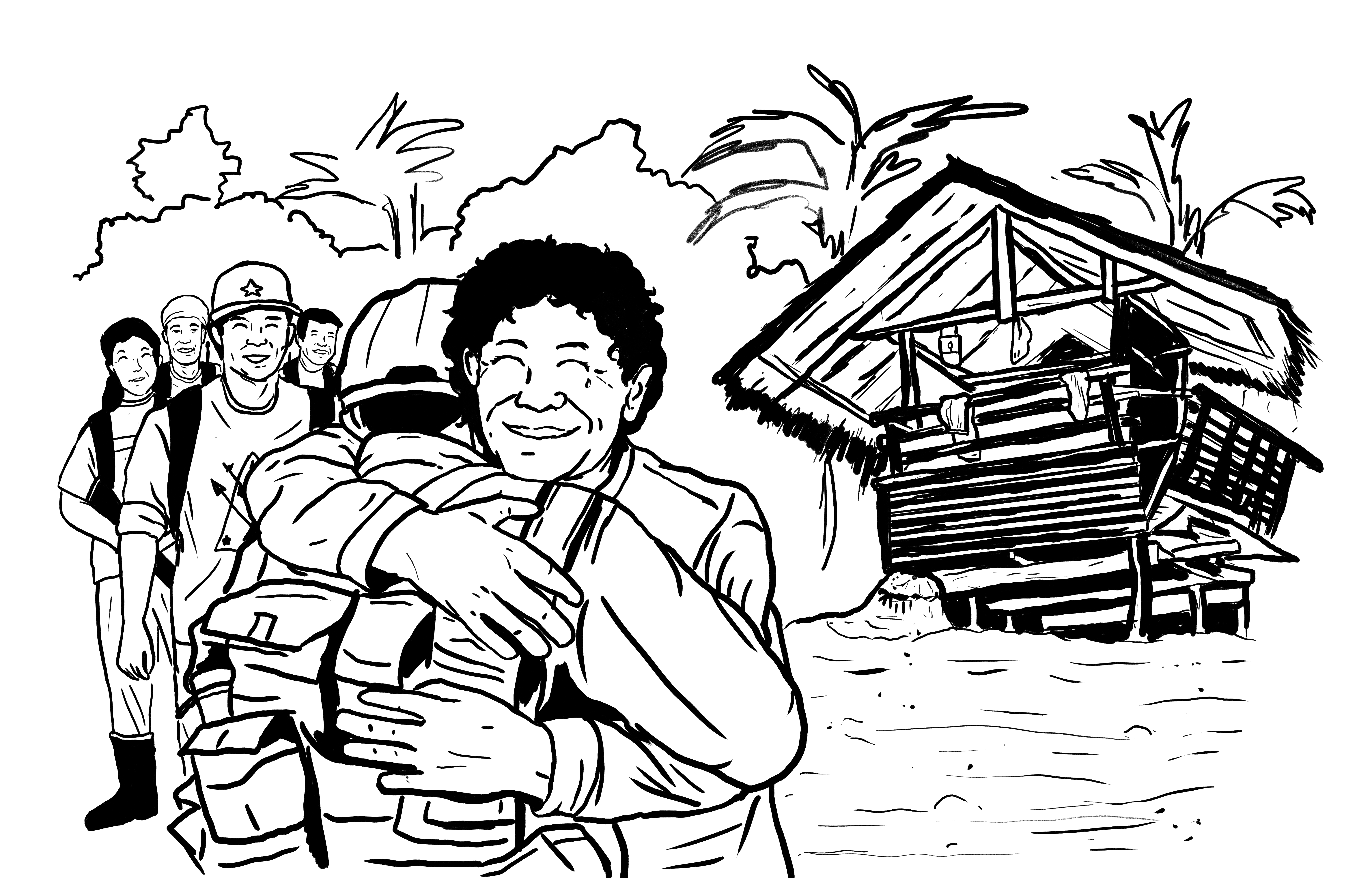
“Good evening!” the comrades greeted him with wide smiles. Even before they could fully enter the hut, Mang Nestor immediately burst into tears, and could only utter “Comrades!” while weeping. Mang Nestor went out to meet the comrades and welcomed them with tight embraces. “It’s been so long since you last visited. We have long been waiting for you,” he said with joy as he invited the comrades in.
Mang Nestor is one of the Agay national minorities in Kadas (not the village’s real name) who lost their land in the name of the fake reforestation program called the Enhanced National Greening Program (E-NGP). He can no longer make a living from swidden farming, which the DENR prohibits. Like all national minorities deprived of their ancestral land, he owns no land, so he and his wife turned to gathering rattan for livelihood. Despite working extremely hard gathering rattan, their income is meager and barely enough for their family’s daily needs.
“I did not go to school. I am illiterate but I am hardworking. And no matter how much my wife and I pour blood and sweat into gathering rattan, we are always short and often disadvantaged because our boss deducts so much from our earnings,” Mang Nestor shared with the comrades as he served them hot coffee. “This is why I am very happy that you have returned, comrades,” he said with a smile.
The process of gathering rattan is arduous. Aside from being thorny and tough to pull from trees or to climb to get it whole, it is also manually carried down from the forest. Like carabaos pulling a plow, they use their entire strength to drag several poles of rattan tied to their waists or heads until they reach their huts. Even before harvesting rattan, they have already borrowed money to buy food for their families and provisions for the forest while gathering, on top of the low selling prices for each bundle and pole of rattan depending on its size. Not knowing how to read or count, they are often cheated in the accounting.
Cooperation between the army and the masses
The history of peasants and national minorities in the village of Kadas is rich in revolutionary experience and collective action. In 2000, an issue arose in the area when the Community-based Forest Management administrators tried to evict the peasants. The area used to be a logging concession covering nearly a thousand hectares. When the concession was long left idle, settlers from Ifugao occupied it.
Under the Party’s leadership, the peasants succeeded in asserting their right to cultivate the land they were tilling. In the process, their area was developed as a consolidated part of the guerrilla base. Organizations were established and socio-economic projects were launched, such as communal farms for the youth, women, elders, and blacksmiths; there were farming tools and a potable water system was developed; and other projects for the welfare of the peasants and to increase production. Although the reactionary government continues to refuse to recognize their land rights because it is classified as forest land, with the support of neighboring towns, they collectively faced and overcame the issues affecting peasants in the area.
Land-grabbing projects
The positive gains of the peasants began to erode when the reactionary government’s fake programs entered, displacing dozens of Agay national minority communities, settlers from Ifugao, and neighboring barangays. These included the NGP and the construction of the Ilagan-Divilacan Road, supposedly for ecotourism, which would connect the center of Isabela to the coastal towns. These schemes dealt a double blow to the indigenous people’s right to land and livelihood.
Under the previous Benigno Aquino III regime, the National Greening Program was launched nationwide in Ilagan City in 2011-2012. It was further expanded under the Duterte regime, becoming the E-NGP.
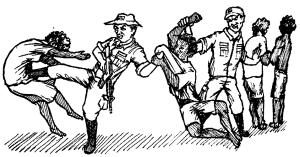
The masses living there strongly opposed it. But due to the violent and prolonged operations of the 86th IB, 502 IBde under the directive and leadership of the 5th ID, the peasant masses could no longer remain. The peasants and national minorities affected by the project were evicted. Everyone living along the roadside was removed and relocated to a single place where they remain vulnerable to eviction. Wealthy non-locals took over their former communities as the value of roadside land increased.
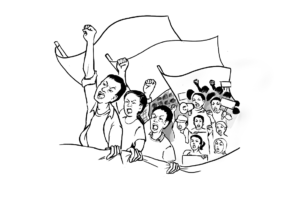
This prompted the peasants, national minorities, and settlers to act collectively, leading to a series of mobilizations with the help and guidance of the comrades. The army units also launched military operations, including disarmament and raids. This issue, along with the NGP’s widespread eviction of settlers, land grabbing by traditional landlords, and the local reactionary government’s eviction of residents to make way for fake development projects, roused people to undertake militant action and wage mass struggle in Kadas and nearby towns.
Because of the masses’ rich revolutionary experience in struggle in Kadas, they totally trust the army and know that only the revolutionary movement truly upholds and recognizes their right to land and livelihood. Despite the long absence of comrades in the area, they still warmly and enthusiastically welcome the army. Aside from material support, Mang Nestor, along with others, became the main link for the comrades in reaching out to other masses and accompanied them to other towns.