Framework for political repression: The US CVE doctrine behind the NTF-Elcac
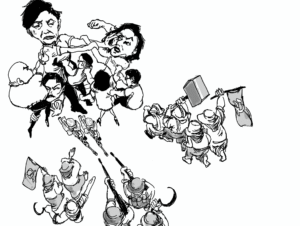
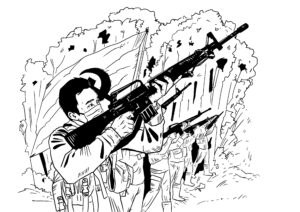
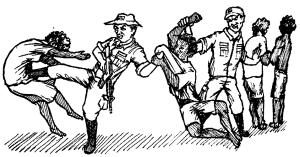
Whenever a Red fighter of the New People’s Army from the youth-student sector falls in battle against (or deliberately killed by) the Armed Forces of the Philippines (AFP), the National Task Force (NTF)-Elcac goes on blabbering about suppressing the ideas and thinking of university youths. This is allegedly a way to prevent the enlistment of young people in armed struggle or what they label as “radicalization” or “terrorist grooming.”
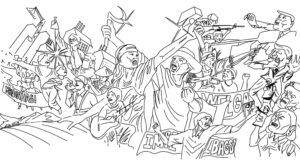
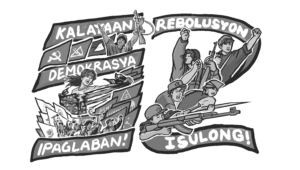
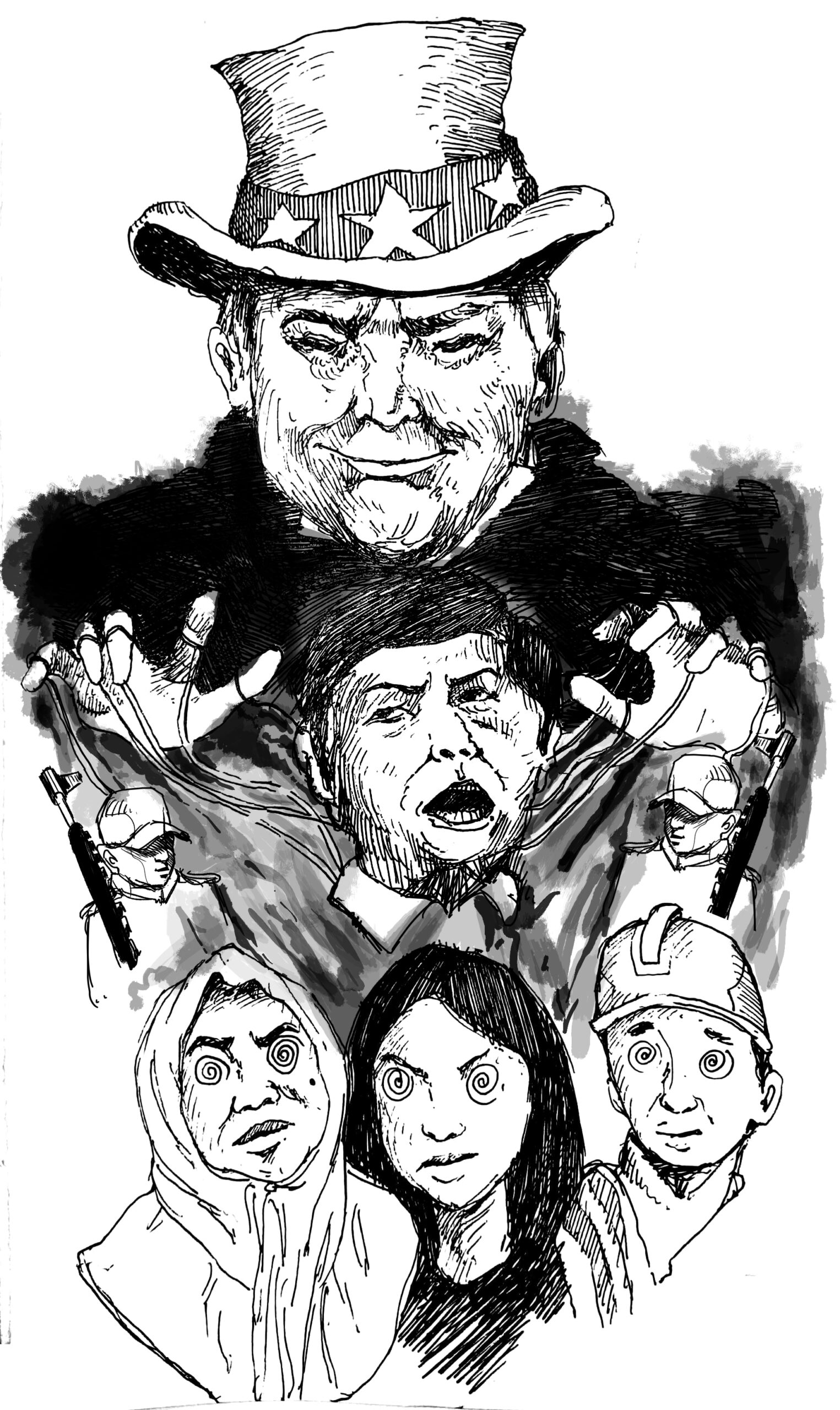
This tactic of the AFP and NTF-Elcac stems from and is framed around the US doctrine of “countering violent extremism” (CVE). Any idea considered a “threat” to the ruling system is labeled as “extremism” or “extreme ideology.” CVE is used to justify the suppression of all forms of expression and resistance against the state. It portrays “extremism” as the force that drives people to resist, including the legitimate and just taking up of arms by the people against the reactionary ruling state. Contrary to what CVE claims, this is simply not a product of ideas and beliefs but of the very concrete conditions of oppression, exploitation, and state violence.
The CVE doctrine and program
CVE was first adopted under the Obama administration in the US in 2014. It was used during the anti-Muslim campaign or promotion of Islamophobia, simultaneously targetting progressive political activists. The doctrine portrays Muslims and activists as “violent at their core.”
CVE was used to police and surveil community leaders to profile or piece together a picture of individuals based on their behavior, especially regarding religion, race, and politics. It aims to monitor the “radicalization” of individuals they claim is key that leads them towards “terrorism.” This is also called “soft counterterrorism.”
Even without having done anything, an individual’s behavior and way of thinking can already be labeled as “terrorist.” This violates basic human rights such as the right to privacy, expression, movement, organization, and others. It sows terror and results in “self-surveillance” to avoid suspicion, and destroys communities.
The harm of CVE in the Philippines
In 2019, the Philippine government, through the Anti-Terrorism Council under the Human Security Act, created and adopted a National Action Plan on Preventing and Countering Violent Extremism (NAP P/CVE). It expressly aims to oversee programs addressing the political, economic, cultural, psychosocial, and religious aspects of “radicalization” that allegedly lead to “violent extremism.”
This was placed mainly under the supervision of the Department of Interior and Local Government (DILG) together with other government agencies. The plan identified six “vulnerable sectors” they must penetrate to prevent “radicalization.” These sectors are the community, political detainees and those with “terrorism” cases, religious leaders, universities, social media users, overseas Filipino workers, and religious scholars.
The NTF-Elcac plays a key role as the main coordinating agency for programs implemented under the plan. This is packaged as the so-called “whole-of-nation approach,” the foundation for the agency’s creation. The NTF-Elcac communicates with clusters and regional and local task forces to implement the NAP P/CVE.
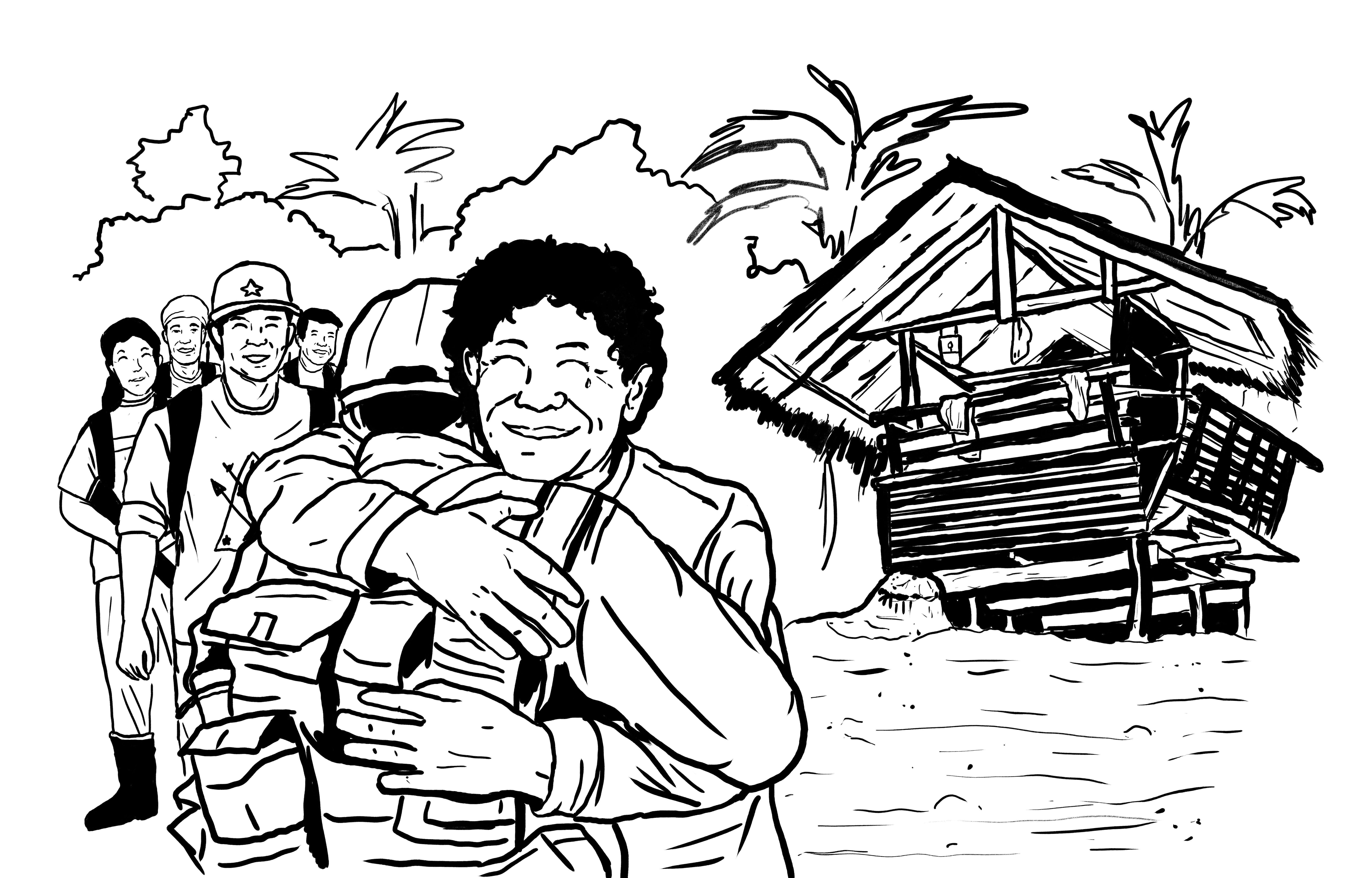
In practice, the plan took shape with the implementation of the Retooled Community Support Program (RCSP) in October 2019 through a DILG memorandum to enter communities. Under the framework of NAP P/CVE, the Enhanced Comprehensive Local Integration Program (E-CLIP) was implemented in March 2020 to target “rebel returnees” or detainees.
In universities and schools, the NTF-Elcac and state security agencies conduct forums, leadership training, camping, partnerships, and other interventions in universities to discuss “radicalization.”
One aspect of this is the Red-tagging campaign that suppresses the freedom of thought, to organize, express, and other rights of the youth. The NTF-Elcac has also confiscated books from university libraries, claiming these cause “radicalization.”
Most severely, the military and NTF-Elcac pressure school administrators to follow their lead. In this context, the AFP forged a cooperation agreement with the University of the Philippines. This is also the NTF-Elcac’s main objective when it included COCOPEA, a group of private schools, in its committee.
The CVE doctrine has instilled widespread terror and trauma among the youth and the people. Because of this, many became hesitant to express opinions on social media and to speak out for their basic rights.