Condition of the working class in Southern Tagalog
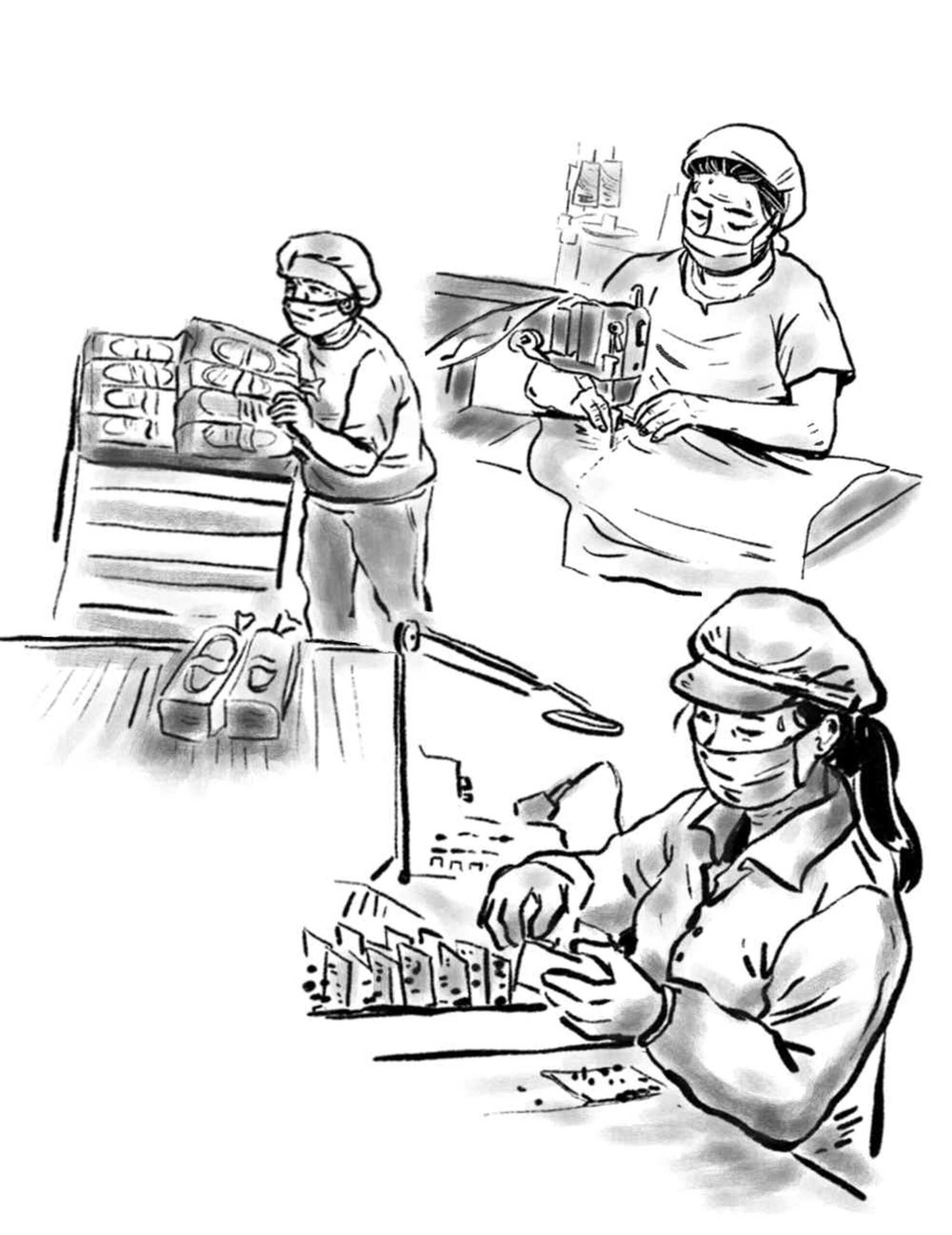
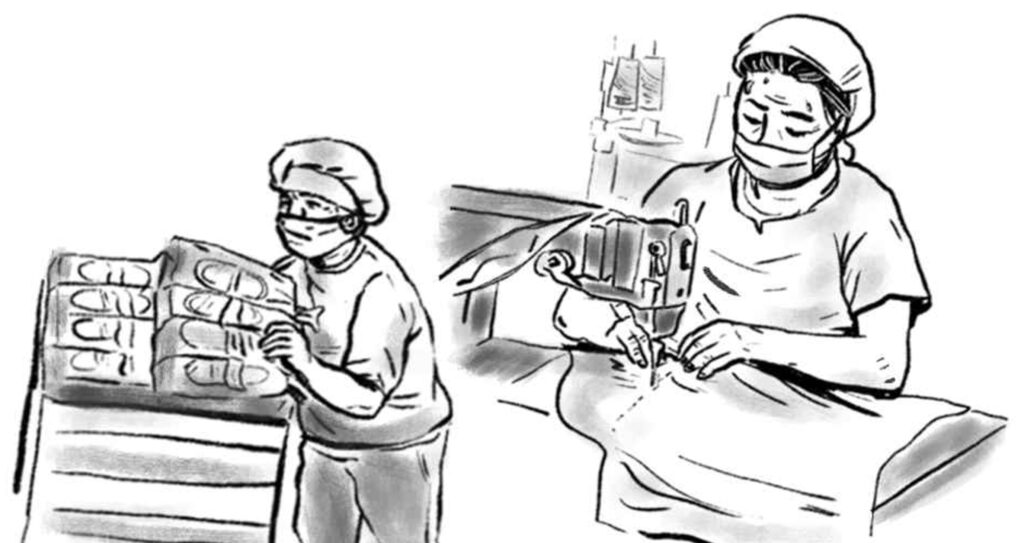
The largest number of Filipino workers are in Southern Tagalog. In total, 18% of the country’s entire labor force are in the region. The National Capital Region comes second, home to 10.4 million workers. In Calabarzon, 12.1 million out of the region’s 14.2 million labor force are concentrated.
This does not yet include those whom the state do not consider part of the labor force, such as housewives, retirees, out-of-school youth, yet unemployed graduates, persons with disabilities, and those who have stopped seeking work for six months. In the reactionary state’s latest survey, the labor force participation rate or the percentage of the population aged 15 and above who are part of the labor force is only 64.8% in Calabarzon and 64.2% in Mimaropa.
Among those with jobs, one third are categorized as self-employed. In addition, 7% are counted as employed but receive no salary or are not paid for their work. When combined, these two categories make up 35% of the labor force, numbering 3.2 million in the entire region. When added to the official number of the unemployed, this amounts to a staggering total of 3.7 million without formal employment among the 9.2 million labor force in Southern Tagalog. In addition, there are 1.4 million workers who are underemployed.
Low wages
Wage and salaried workers in the region make up 64% of the employed labor force. The 4.4 million are in private companies, while 777,000 are government employees.
Workers wages paid by capitalists and bureaucrat capitalists, whether in the private or public sector, are very low and not enough to support a family. In Calabarzon, the minimum wage in May 2024 was only ₱522 per day, while the supposed living wage for a family of five is ₱1,122 per day. In Mimaropa, the minimum wage in March 2024 was a miserable ₱352 per day, far from the supposed living wage for a family of five, which is ₱1,213. It is apparent how the reactionary government maintains a policy of keeping wages at inhumane levels.
Workers are in millions but only a few are organized in unions, which are the primary organizations for advancing their right to just wages. Records from 2021-2022 show that out of the total 34,543 companies in the country with at least 20 workers, only 1,464 or 4.2% have registered unions. This is even lower than the previous 6.3% in 2018.
The regime responds with terrorism to the working class struggle
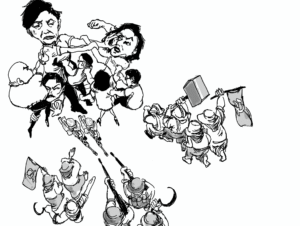
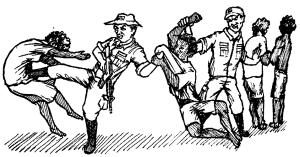
The previous fascist repression of workers’ unionization has been surpassed by outright state terrorism through the enactment of the Anti-Terrorism Law. The reactionary state is the one implementing terrorism against ordinary citizens, especially workers, activists, people with just advocacies, and critics of the government. The military, police, and state agencies such as the NTF-Elcac widely use Red-tagging, targeting union leaders and activist members. This is preparatory to killings, abductions, and forced disappearances against them. A prominent example of this is the PNP-Calabarzon operation called Bloody Sunday on March 7, 2021, which killed nine leaders and organizers, including labor leader Manny Asuncion. A few weeks later, Dandy Miguel, union president at Fuji Electronics in Laguna, was also killed.
In early 2023, a delegation from the International Labour Organization (ILO) conducted an investigation into the situation of unions and condemned the reactionary government’s practice of always linking unionism to communism. Since 2016, state security forces were recorded as having killed 76 unionists and organizers. Just after the ILO mission in the country, four more unionists were reported killed.
From Kalatas, May 2025.