Disintegrating peace MILF stops the process of dismantling the BIAF
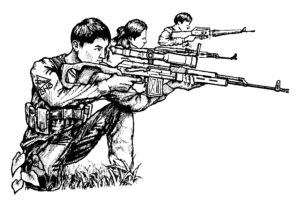
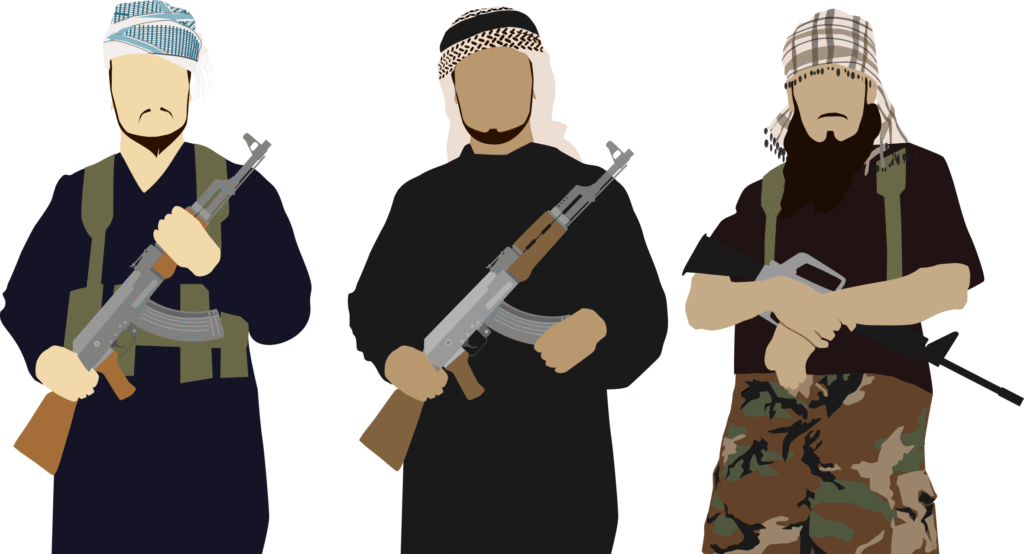
On July 19, the Moro Islamic Liberation Front (MILF) approved a resolution to stop the decommissioning of 14,000 fighters from its armed group, the Bangsamoro Islamic Armed Forces (BIAF), and to halt the surrender of their 2,450 weapons. According to the resolution, the decision will remain until the Government of the Republic of the Philippines (GRP) fulfills many provisions that should accompany the “normalization” process of the Moro fighters’ lives. This process is covered in the Comprehensive Agreement on the Bangsamoro (CAB), the “final peace agreement” signed by both parties in 2014.
The MILF stated that in CAB’s over 10 years, the GRP has failed to meet its obligations under the agreement. A study released by foreign institutions monitoring the process found that only one-third of the 40 provisions in the normalization process have been fully implemented, mostly by the MILF side. Half (20) of the provisions remain at a “minimum implementation” level, four are “half-implemented,” and five have not even started. Many of the minimum and fully implemented provisions happened only during the first years of the agreement.
Among the nearly unimplemented provisions are the removal of AFP troops and units from MILF territories and the integration of Moro fighters into military and police forces. The transformation of camps where both fighters and their families live has not been implemented. Until now, many fighters with cases related to the armed conflict have yet to be amnestied.
Tragically, only 14% of socio-economic projects have been completed. Over 43% have only been partially started, and 29% have not yet even started. This caused many decommissioned fighters to lose their livelihood, and their families to further sink into extreme poverty and hunger.
On the MILF side, the number of decommissioned combatants has reached 26,145, and they have already surrendered more than 2,000 arms. This number represents 65% of the group’s total armed forces of 40,000. According to the MILF, “not a single one” of these combatants has successfully “transitioned to a productive civilian life,” because the requirements for this, except for a ₱100,000 payment per fighter, have not been met. According to MILF, “there must first be substantial socio-economic interventions for the combatants profiled for decommissioning before other combatants follow.”
The reactionary state’s failed response cover not only economic issues. It has repeatedly disrupted the autonomous governance process in the Bangsamoro Autonomous Region in Muslim Mindanao (BARMM). It twice postponed elections to establish the Bangsamoro parliament. In March, Ferdinand Marcos Jr unilaterally replaced Ahod “Murad” Ebrahim as Bangsamoro Transition Authority chief minister, ending MILF’s dominance. Ebrahim called the action a “blatant interference” by the national government in BARMM processes and warned the Marcos regime against undermining the autonomy-building process laid out by the CAB.
Many Moro people hoped for the CAB’s promised peace and progress. But more than 10 years since its signing, they remain mired in poverty. Local development indicators lag behind, and BARMM remains one of the poorest regions. Its unemployment rate is nearly twice the national average, and 89% of workers belong to the informal sector. The highest minimum wage in the region is ₱411 for non-agricultural workers and ₱386 for agricultural workers, including plantation workers. These represent only 34% and 32% respectively of the ₱1,200 living wage minimum.