7 years of hunger and misery under rice import liberalization
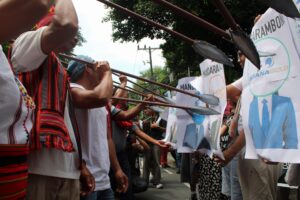
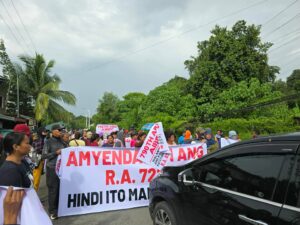
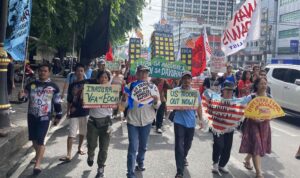
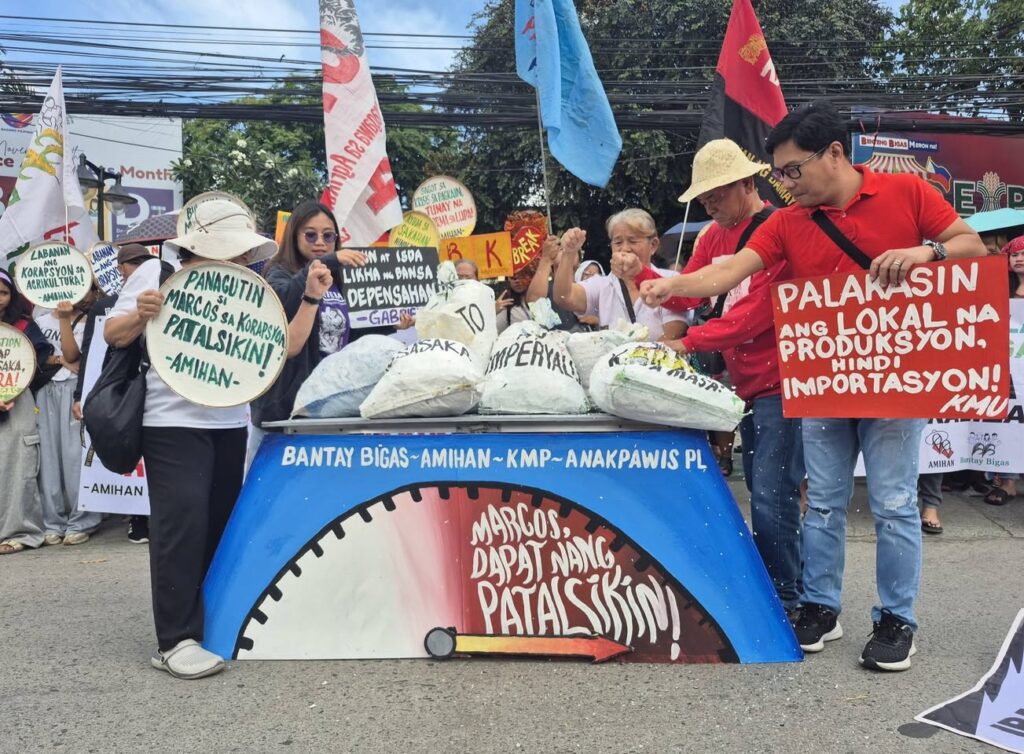
Peasants and farmworker groups protested at the Department of Agriculture in Quezon City on February 13, marking the 7th anniversary of the enactment of the Rice Liberalization Law (RLL).
“The RLL’s enactment has brought nothing but more suffering to peasants,” they said. “Unimpeded rice importation continues and mires local agriculture in the mud. Palay prices have dropped, and so has peasants’ livelihood.”
Kilusang Magbubukid ng Pilipinas chairperson Danilo Ramos denounced the RLL as a “failed law” that “favored only big business and importers while pulling down palay prices and neglecting local production.”
Rice imports rose from 2.57 million tons to over 5 million tons from 2019 to 2026. The Philippines had become the world’s largest rice importer by 2023. Prior to that, the country imported only about 800,000–900,000 tons annually.
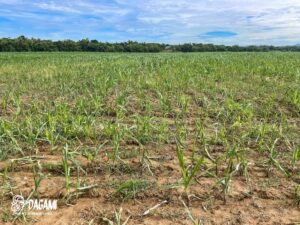
Excessive importation drove down palay farmgate prices, from an average of ₱20 per kilo in 2018 to ₱14–₱16 per kilo in the following years. Many farmers consequently suffered losses and were forced to reduce or stop rice production altogether. Those who kept producing sank deeper into debt because of rising costs of fertilizer and irrigation and the absence of state support.
“Palay is vital to society, especially to the farmers who produce it, yet peasants are always the losers, mired in debt, poverty, and hunger,” declared the Amihan National Federation of Peasant Women.
Despite the regime’s push for full-scale importation, marketed as a measure to lower rice prices, market prices have remained high. According to Amihan, rice prices even rose by ₱5–₱10 per kilo in January, with the cheapest selling for ₱48–₱50 per kilo in markets.
“The law is bankrupt because it only benefits large traders, importers, hoarders, and smugglers. Even the Marcos-Araneta clique profits from it; they themselves are rice syndicates,” Cathy Estavillo of Amihan said.
“The Rice Liberalization Law has in seven years nearly destroyed local palay and rice production and the very foundation of food security,” the Unyon ng mga Manggagawa sa Agrikultura (UMA) said.