Capiz and Iloilo GMO corn plantations worsen flooding on the island
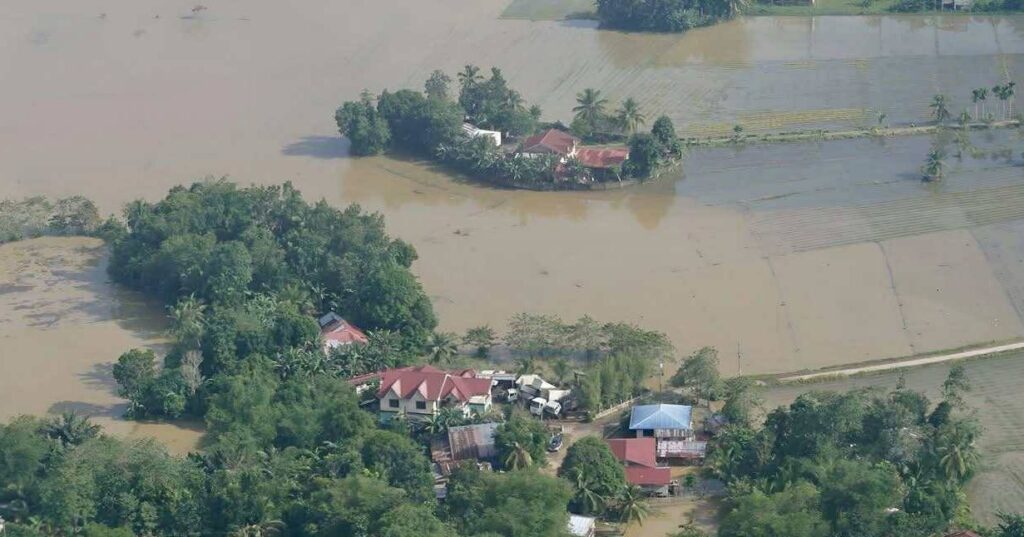
Typhoon “Ramil” extensively flooded and devastated Capiz and northern Iloilo on October 18, prompting the local government of Roxas City and Capiz to declare a state of calamity.
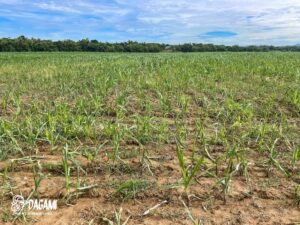
Scientists’ investigation found that the main factors worsening Capiz and northern Iloilo floods included the conversion of the provinces’ large mountain areas into plantations of GMO corn, specifically Bt+RR.
Based on data from 2024 and 2023, corn plantations in Capiz covered 15,881 hectares, while 25,856 hectares are in northern Iloilo, or the towns of Batad, San Rafael, San Dionisio, Barotac Viejo, Lemery, Sara, San Enrique, Concepcion, Ajuy, Estancia, Barotac Nuevo, Dueñas, Dumangas, Leon, Lambunao, and Cabatuan. BT corn accounts for about 70% of the yellow corn grown in these provinces.
GMO corn crops are pest resistant but herbicide dependent. They require using glyphosate herbicide against weeds. Massively using herbicides containing glyphosate causes soil erosion and sedimentation. It also reduces the soil’s ability to absorb water.
In Bukidnon, a 2020 study found that land planted with GMO corn had a 55% higher probability of erosion. In Cagayan, widespread flooding was linked to the collapse of riverbanks caused by deforestation and the heavy use of herbicides on GMO corn crops.
Sedimentation narrows rivers and their tributaries, reducing their capacity to channel water. This worsens flooding in communities located in the lower parts of drainage areas.
Similar cases of soil degradation and widespread flooding were also reported in northern Luzon, particularly from Nueva Vizcaya to Isabela, Cagayan, and Aparri. Some towns in these areas have already prohibited the planting of RRBt corn.
Scientists said herbicide manufacturers, government agencies promoting GMOs and toxic chemicals, and local governments that fail to enforce land use and zoning ordinances bear significant accountability.