Group brands Trump’s tariffs as “economic bullying”
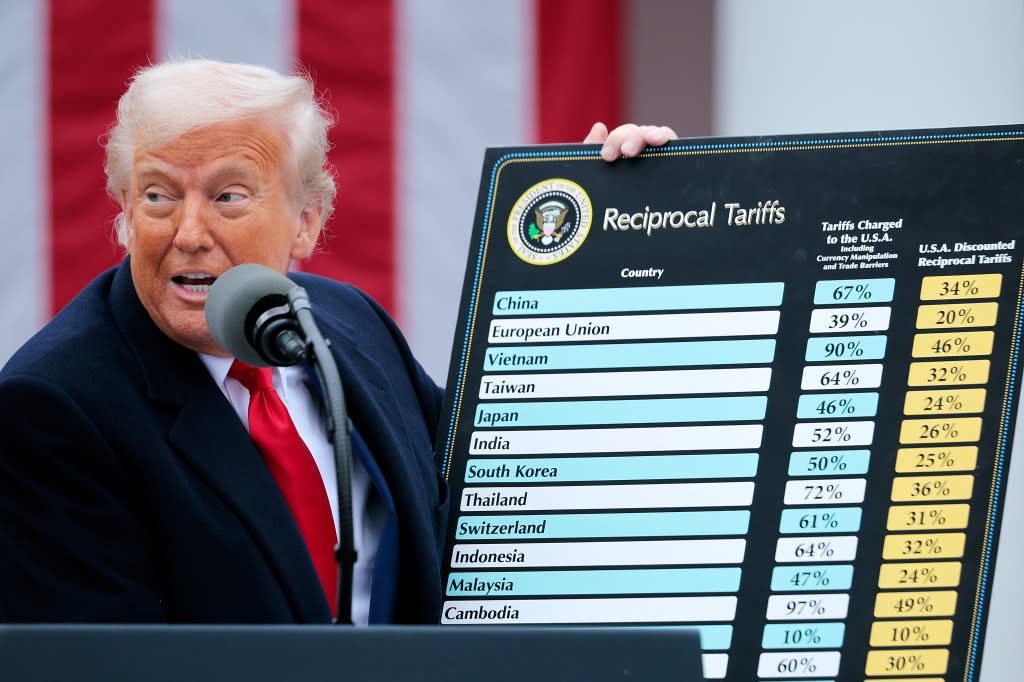
President Donald Trump’s imposition of additional tariffs on Philippine exports exposes the fallacy of the puppet state’s boast of a “special relationship” between the two countries. The Ibon Foundation issued this statement regarding the Trump government’s imposition of a 20% tariff on Philippine products, which will take effect on August 1.
Ibon called the US tariff increase “economic bullying.” “This is not a simple trade issue, but a way to control the Philippine economy and hinder the development of local industry.”
Ibon noted that the US did not impose tariffs on sectors important to its own economy, such as semiconductors, auto parts, steel, and aluminum. Foreign capitalists control these products, which are exported to the US in bulk. Instead, the US imposed tariffs on Philippine raw materials and products, such as coconut, fruits, vegetables, and garments, which are mostly produced by local capitalists. This highlights the weakness of the local economy, which relies on exports and foreign investment, according to Ibon.
Ibon mocked the Marcos regime’s response of “humility” and reliance on the “goodwill” of the US. Frederick Go, special assistant to the president for investment and economic affairs, attempted to belittle the move by saying that the tariff imposed on the Philippines is the lowest in Southeast Asia. On the contrary, the Philippines is among those with the largest tariff increases in the region (3%), from 17% to 20%.
Amid US pressure, Malaysia’s prime minister, Anwar Ibrahim, warned of the negative impact on local economies in Southeast Asia. At the ASEAN foreign ministers’ meeting, he criticized Trump’s tariffs as “an instrument once used to improve the economy but now used for coercion.”
Anwar emphasized that Trump’s economic policy does not represent a “passing storm” but has now become the new order. He urged ASEAN countries to strengthen regional integration and reduce dependence on external powers.