Groups launch protest against xenophobia in Japan
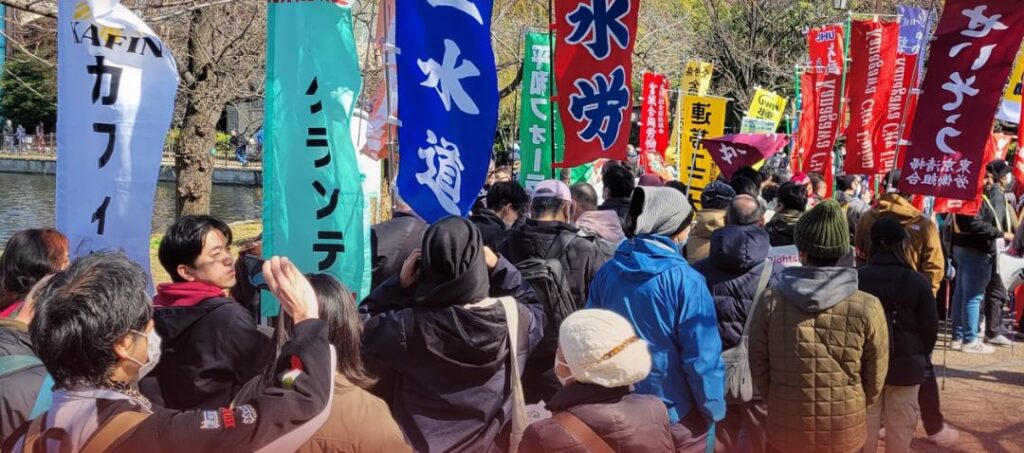
Activists, Filipino and Kurdish refugees and migrants, together with Japanese activists, launched a protest on September 5 outside the National Diet Building of Japan to oppose the “Zero Plan” policy, the worsening xenophobia, and to call for justice for victims of racism in the country. Around 300 people joined the protest, including 11 members of the National Assembly.
The Asia Pacific Human Rights Protection Network (NPHR) and the Provisional Releases Association of Japan (PRAJ) led the protest while other groups such as Bayan Japan, Migrante Japan, and Japan Campaign for Human Rights in the Philippines (JCHRP), Rumi Jepang, International Migrants Alliance, National Parties Network (NDP), Association of Japan Spouses Seeking Status of Residence for Provisional Release, Kosaten, Association of Provisional Exemptioners, Social Workers Network to Change Immigration Detention Problems (SWIDI), and Protect Refugees Association in Japan, all participated.
According to the groups, the Japanese government has intensified the culture of racism and xenophobia in the country. Conservative and right-wing political forces that call for mass deportation and direct discrimination against gaikokujin (foreigners) are expanding and strengthening.
In May, the Ministry of Justice announced the “Zero Illegal Aliens Plan for the Safety and Security of the People” (Zero Plan), a comprehensive policy that aims to deport all “illegal” residents in Japan by 2028. The plan includes stricter pre-entry screening for foreigners starting in 2028 and seven measures to tighten immigration control in the country. The government is also targeting around 3,000 individuals who defied deportation orders or who filed multiple refugee claims. Deportations are expected to double in the country within three years.
The groups also condemned the Immigration and Refugee Act that was amended in 2023. They said the law contains provisions that violate international humanitarian law and refugee protection principles. Under the law, applicants who filed for asylum more than three times may now be deported. The time limit for detention in immigration facilities of applicants seeking refugee status was also removed. The said facilities reportedly have inhumane conditions and lack adequate medical services.
The Japanese government’s pretext is that the Zero Plan aims to deport “dangerous” foreigners considered as threats to national safety and security. The Japanese government portrays refugees and migrants as security threats.
“The lives and rights of refugees, immigrants, and Japanese citizens must be protected. Laws must be made against corrupt politicians instead of laws against migrants,” NPHR declared.
According to Bayan Japan, the Philippine embassy remained silent amid worsening xenophobia against gaikokujin. “The government encourages our fellow citizens to become OFWs but does not address our ordeal here and in other countries. We are like sheep being thrown into the lion’s mouth.”
“Alongside our call for our government to ensure the safety of every Filipino overseas, we must also take a stand and build the broadest unity to defend ourselves against xenophobia, racism, and all forms of discrimination,” Bayan Japan explained.
“We demand justice for the victims of human rights violations and those killed under the Ministry of Justice and immigration detention centers,” the group appealed.
The groups called for the repeal of the “Zero Plan” and the Immigration and Refugee Act.
“Together, we will continue the struggle for a society where life and dignity are protected and free from discrimination,” the NPHR said.