Correspondence Crimes of the butcher 8th ID in Samar Island
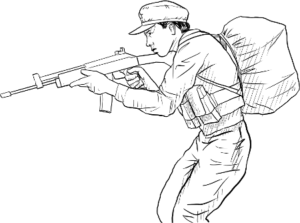
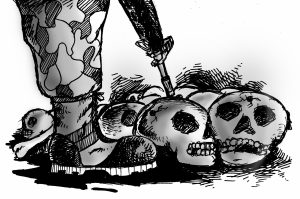
Armed Forces of the Philippines (AFP) units under the 8th ID have repeatedly violated international humanitarian law in their desperate pursuit to declare the island of Samar “insurgency-free.”
On June 15, operating 63rd IB soldiers shot and killed 16-year-old student Jayson Grafil Padullo in Bagong Bario, Barangay Pinanag-an, Borongan City in Eastern Samar. Together with a friend, Padullo was only on his way to the fields to fetch his father.
On June 8, the 20th IB massacred three farmers in Barangay Nagoocan, Catubig, Northern Samar, and made it appear that they were among the five killed in an alleged armed encounter. According to PKM-Northern Samar, Noel Lebico Sr, Arnel Aquino, and Nonoy Norcio, whom the 8th ID identified to have killed in an encounter, were ordinary farmers who had long been targets of the 8th ID’s brutal campaign of forced surrender. The 20th IB had previously arrested Aquino in 2017.
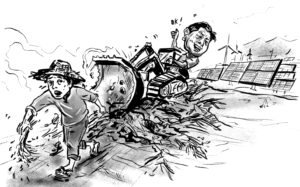
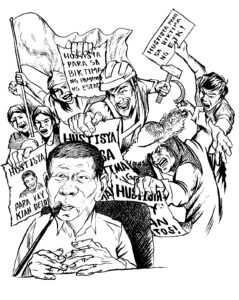
During those same days, residents of several Northern Samar towns circulated messages and videos on social media showing the hardships caused by the hamletting of their villages. Residents of Las Navas, Catubig, Mapanas, Gamay, and Palapag exposed their situation and demanded the 8th ID end the hamleting imposed since June 8 so they could tend to their farm. They expressed concern about mounting school expenses, outstanding debts, and daily needs.
Hamletting of communities
Hamleting has long been practiced in the region, but has been referred to since 2020 as a “lockdown” to justify it during the pandemic. Fascist troopers under the Retooled Community Support Program or RCSP deployed in the villages forced the residents’ compliance. Under the pretense of a census, they combed houses to interrogate the masses about the revolutionary movement.
After the pandemic, all 8th ID units became accustomed to conducting zoning operations whenever it “encounters” NPA members, suspects people’s army presence, or forces a farmer to “surrender.” Hamleting could last from a week to several months. There could be four or more large-scale, simultaneous, and unrelenting hamleting operations in a year.
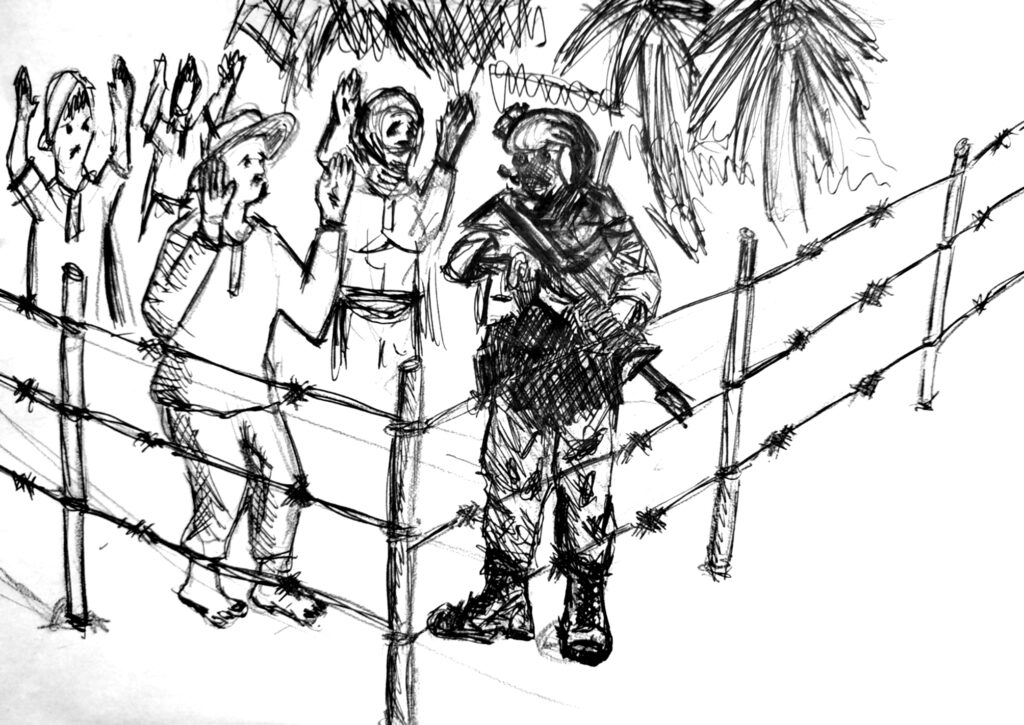
Even a single period of hamleting is severely devastating. The masses cannot farm, soldiers ransack homes and scrutinize belongings, and accuse anyone encountered outside the village of being an NPA member or supporter. Not a few civilians have been strafed for running away from soldiers in fright.
In Barangays Hitapi-an and Roxas, Catubig, residents were distressed when forced to log all movements even for short walks near the village. Soldiers also restricted their time for farm field work.
Forced surrender campaign
During hamleting, the military intensifies its campaign for forced surrender. In 2024, the 74th IB opened fire on several farmers working in the coconut plantation in Sitio Canonghan, Barangay Osmeña, Palapag. The victims, including minors, were arrested and brought to a “surrenderees” facility in Mondragon town. Those captured were used as bait to pressure their relatives, long pursued by the military, to “surrender.”
The military is further incentivized to impose hamleting by large amounts of funds they siphon from the Enhanced Community Livelihood Integration Program or E-CLIP, the program that offers meager rewards to “surrenderees.” More “surrenderees” mean bigger profits. Through hamleting, it becomes easier to force more starving masses to “surrender.”
In the town of Palapag, some residents forced to surrender were presented as having received ₱40,000 each in livelihood, aid despite having received only ₱4,000. In Gamay, ₱10,000 was allegedly given to each “surrenderee,” but ₱6,000 of this went directly into the pocket of Renato “Renay” Rebay, a notorious traitor and murderer.
In Las Navas, the “surrenderees” were not allowed to take home the canned goods and sacks of rice used in photos after being paraded along with the mayor and 20th IB officials.