Slight slowdown in inflation is meaningless to most Filipinos
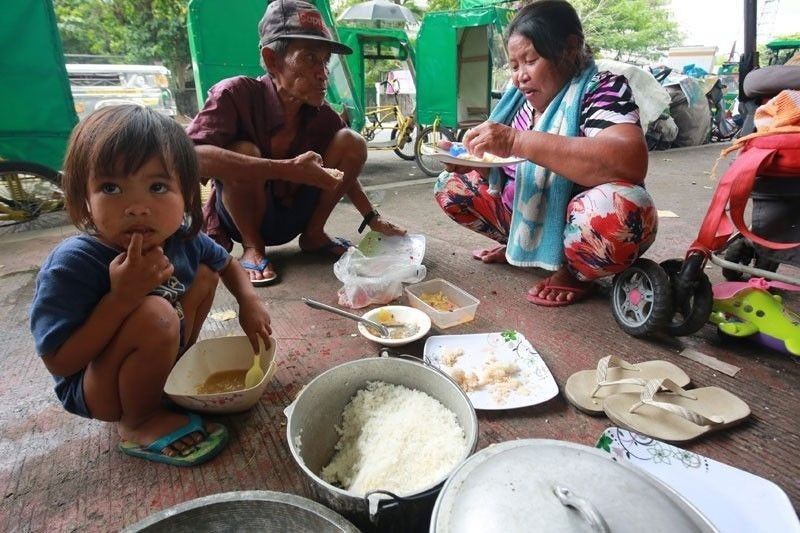
The Philippine Statistics Authority (PSA) flaunted inflation’s slightly easing from 7.2% in April to 6.8% in May. However, this remains largely meaningless to most Filipinos who continue to suffer from high food prices and rising fees for transport and services. Prices of basic goods and services are still going up, just not as rapidly as the previous month.
Petroleum product prices fell slightly after Iran reopened the Strait of Hormuz following a ceasefire agreement with the US. Oil prices in May still remained much higher than in February by more than 50% before the damaging “oil shock.”
Meanwhile, rice inflation jumped further from 13.7% in April to 15.6% in May. State data show rice that sold for ₱45.54 per kilo in February rose to ₱47.24–₱50.00 in April and climbed to ₱54 per kilo in May. Prices of flour, corn, and other major sources of calories for ordinary people also spiked.
Utility charges rose, especially electricity, which accelerated from 8.3% to 8.9%. Power companies blamed a weaker peso against the dollar, higher generation charges, and strained grid capacity. Many Filipinos are outraged and distressed for frequently enduring brownouts due to faulty and problem-ridden plants despite relentless rate hikes.
Stagnant wages
Despite the unrelenting assault of inflation since March, workers and employees received no substantial increase in the wages and salaries. The gap is huge between the average nominal wage of ₱510 per day and the living wage of ₱1,312 per day in April. The Marcos regime have not taken any action to arrest the sharp collapse of Filipinos’ livelihoods caused by the oil shock. Only in May did the regional wage boards “open” their offices to petitions for wage hikes. The wage increases they implementing in the first half of the year are merely “second tranche” payouts from last year’s increases. These average only ₱10–₱20 per day.
Even in the private sector, capitalists continue to suppress the wages they offer to unions currently negotiating their collective bargaining agreements (CBA). Capitalists in CBAs typically grant mere paltry raises which are swiftly eaten by surging inflation.
The Marcos regime offers no meaningful subsidy to workers whose incomes have been cut, or who have lost their jobs because of companies’ cost-cutting operations. It only offered a one-time token dole-out that covers a family’s needs for a mere few days. The regime firmly refuses to implement across-the-board wage increases for private-sector workers, additional pay for government employees, or higher fares to boost the incomes of drivers who are severely hit by expensive fuel.