Correspondence Struggle to survive!
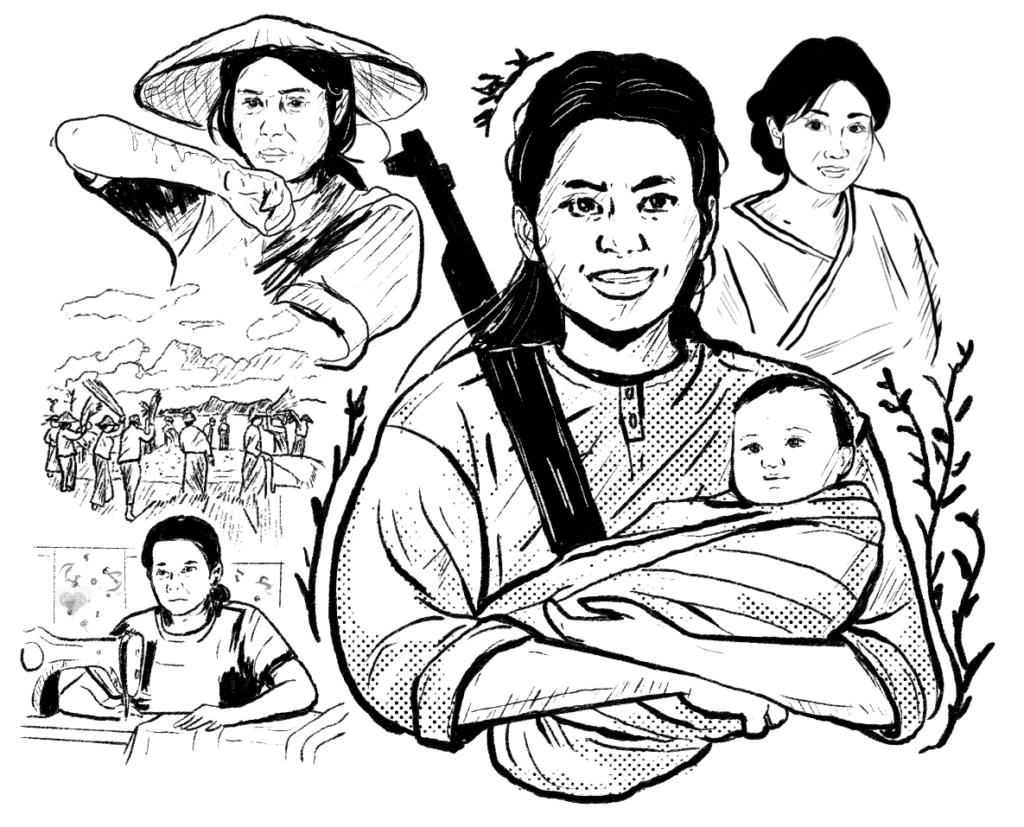
The quota system in the coffee plantation requires the entire Lupao family to work in harvesting. Lydia, her husband, and their three children need to swiftly harvest the 7-hectare coffee plantation. Lydia faces the threat of being delisted from 4Ps, unless she sends back to school her children who help them in their livelihood.
Rosario, mother to a 6-year-old child and a 1-year-old infant, lost her home in a fire. Her fellow urban poor community members believe the fire was deliberately set to evict them from the area. Her family survives only on the meager income of her husband, a pedicab driver. They are now sheltered in a flood-prone evacuation center.
Kris, a transgender, works as a masseuse in a small spa. Despite her exhausting job, her total earnings from commissions do not reach the minimum wage. She shoulders her own SSS and Philhealth contributions. She receives no protection from harassments of clients asking for “special services.”
These are the different faces of Filipino women. The magnitude of their suffering and sacrifice is undeniable. They work tirelessly to support their families, but the majority of them are considered “non-productive.” More than half of women are not counted in the “labor force.” There are laws and programs for women that sound impressive, but are toothless and meaningless amid the widespread abuses endured by women.
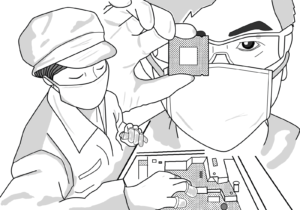
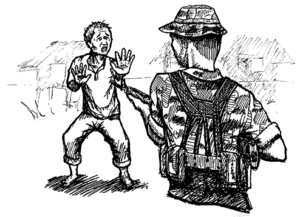
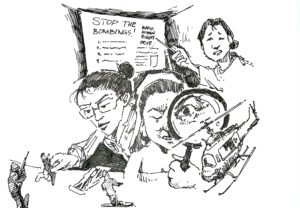
Women worldwide experience double oppression amid widespread unemployment and low wages. More women are jobless. They receive lower wages compared to male workers. They are more severely affected by the impacts of climate change and wars. The violence they face intensifies in human trafficking, pornography, prostitution, commodification of children, including those that occur through social media and other platforms.
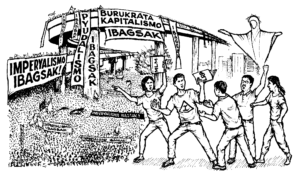
The oppression women face is even more severe under the semicolonial and semifeudal system. On top of the the basic problems of imperialism, feudalism, and bureaucratic capitalism, Filipino women additionally face various forms oppression under the feudal and bourgeois patriarchal systems.
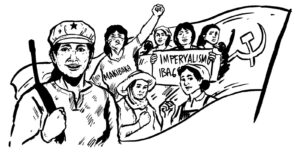
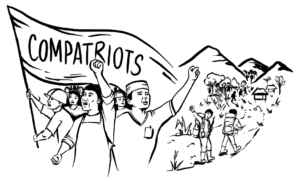
Amid the rampaging crisis in the economy, politics, and culture, where should women be? At the center and forefront of advancing the revolution that will truly transform their exploited and oppressed conditions. This has been proven by decades of practice of the revolutionary women’s movement in the Philippines, led by the Makabayang Kilusan ng Bagong Kababaihan (Makibaka), guided by the Communist Party of the Philippines. Makibaka has shown that women, including LGBTQ individuals and even children, belong in the ranks of the revolution.
In rural areas, organs of political power are being established with women as strong partners through local chapters of Makibaka. The gains of the role of peasant women in politics cannot be understated, in the form of economic benefits of communal farming, through their peasant associations and cooperatives. Even in the cultural aspect, it promotes democratization within the family, mass-oriented healthcare, and mobilizing children for alternative culture and education.
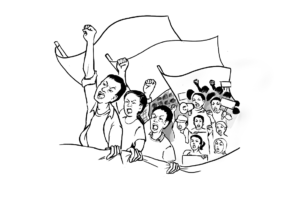
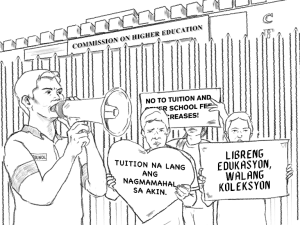
In urban areas, Makibaka promotes the democratic demands, welfare, and rights of women, children, and LGBTQ in the mass movement. It vigorously exposes and fights corruption, ineptness, and fascism of the ruling system through the active contributions of the women’s movement in workplaces, schools, communities, offices, churches, and other places where women are present. They add their voices to the people’s clamor for national freedom from foreign domination and oppression.
US imperialism aims to suppress women’s participation in the revolution and overpower the militant spirit of the women’s movement. Using instruments like USAID, the World Bank, the Asian Development Bank, the United Nations, and others, it pushes programs that use fancy words like “inclusion,” “safe spaces,” and “peace zones for children.” These “advocacies” aim to obscure the issues of national oppression and class exploitation as the root of women’s oppression, divert them from the revolutionary path of social transformation, and lead them towards reformism, legalism, and NGOism.
Amid all this, it is more crucial to show the broad masses of women that only armed struggle would liberate them from various forms of oppression. Over the past decades, Filipino women have traversed the path of armed revolution, contributing their abilities and lives as New People’s Army Red fighters and commanders and as Party leaders and cadres.
Like Lydia, Tess, Rosario, and Kris, the broad ranks of women are waiting to claim their place in the revolution. It is now more critical than ever for women, especially working-class women, to persevere in raising awareness, organizing, and struggling. They must firmly grasp the principles of the revolutionary women’s movement and wave the banner of the national-democratic movement.