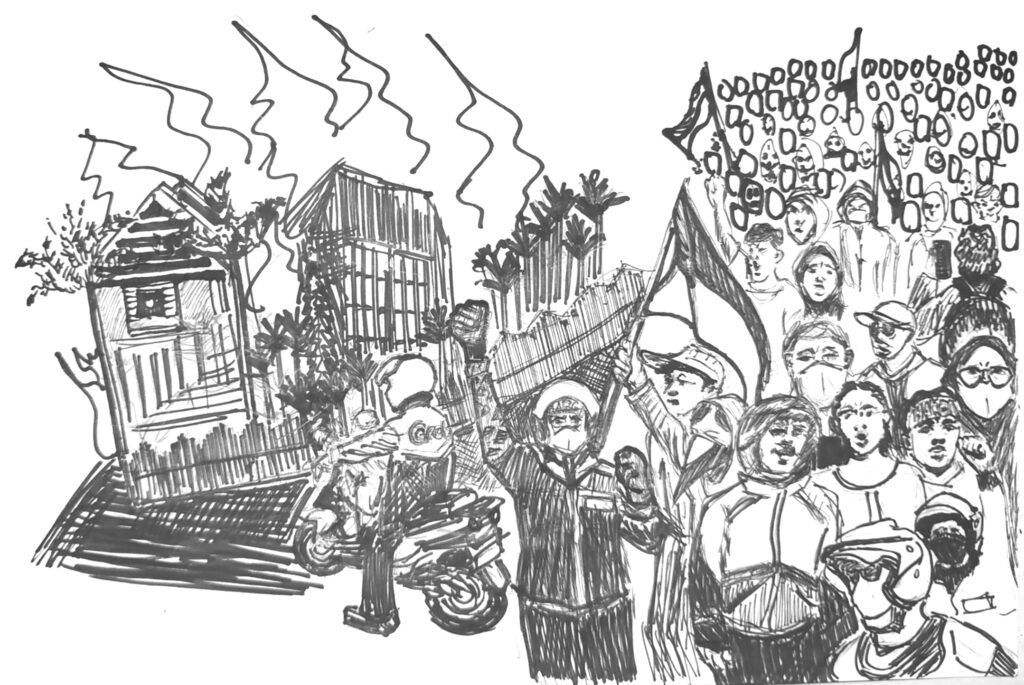
Protests surge against Prabowo-Gibran fascist regime in Indonesia
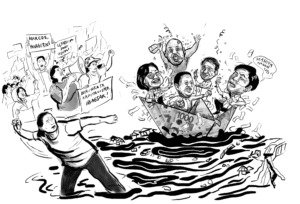
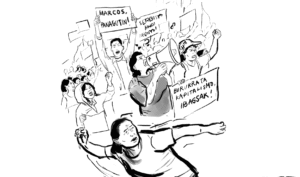
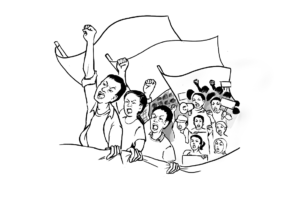
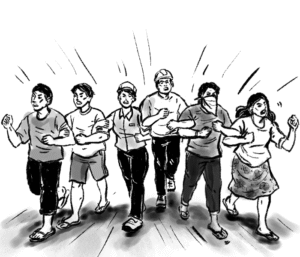
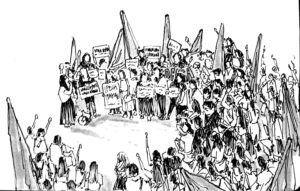
Indonesian people’s protests against the anti-people policies of the country’s president, Prabowo Subianto, and his vice president, Gibran Rakabuming Raka, erupted again in August. Their outrage intensified after a police vehicle ran over and killed delivery rider Affan Kurniawan on August 28. From the capital in Jakarta, the protests spread to 32 provinces and the cities of Bandung, Surabaya, Malang, Solo, Yogyakarta, Medan, and Makassar.
In the latest round of protests, people expressed their extreme outrage by burning public buildings, facilities, and vehicles, and by looting the houses of corrupt officials and politicians. The Prabowo-Gibran regime suppressed the protests with tear gas, water cannons, and rubber bullets. The regime placed streets and communities under conditions similar to martial law and ordered the police to arrest and shoot demonstrators.
State forces killed up to 10 people from August 25 to September 2, arrested 1,241 (including those declared missing), and seriously injured 800.
The protests sparked from anger over the regime granting parliament members monthly housing allowances 20 times higher than workers’ minimum wages. This comes on top of their salaries amounting to 100 million rupiah or ₱350,000 a month. At the same time, Prabowo reduced the budget for regions, forcing local governments to impose additional taxes of up to 250%.
Indonesians strongly despise the regime despite its supposed “popularity” during the elections. In his first year in power, Prabowo focused on enriching his cabinet and parliamentary officials. He expanded the powers of the military and police to consolidate his control over the state. He consolidated corruption and benefits through the establishment of the BPI Danantara (National Sovereign Wealth Fund).
The Indonesians’ fury has long been brewing because of the state’s incompetence in addressing the livelihood and economic crisis. Prices of goods and services, education, and healthcare keep rising. Many people remain unemployed, and job insecurity is widespread. The minimum wage falls far short of providing for the needs of a family.
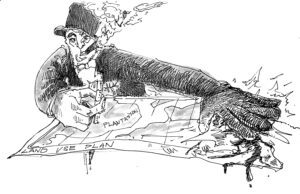
Outside the national capital, exploitation of labor intensifies, foreign corporations grab land, evictions of farmers and indigenous people are widespread, environmental destruction continues, and opposition to massive infrastructure, mining, and plantation projects—initiated by the previous Widodo regime and perpetuated by Prabowo—is criminalized.
In the town of Pati in Central Java, 100,000 people protested in the first week of August to reject these additional taxes, demand the removal of the regent (mayor), and call for an end to his other anti-people policies. In July, protests were also held by small business owners, workers, and the poor who were displaced by the 1,175-hectare megatourism project Mandalika Special Economic Zone. During the same month, workers at PT Huadi Nickel Alloy Indonesia went on strike against mass layoffs and non-negotiable enforced suspension of work.
Indonesian protests drew support from the people of neighboring Asian countries who also suffer from similar livelihood crises and face similar repression and fascism.
The Communist Party of the Philippines also expressed solidarity with the protests, saying these highlight the strong desire of the Indonesian people for revolutionary change. Alongside the Indonesian toiling masses, the Filipino toiling masses bear the weight of an unequal economic system, worsened by the global capitalist crisis, while the reactionary classes and politicians continue to enrich themselves.
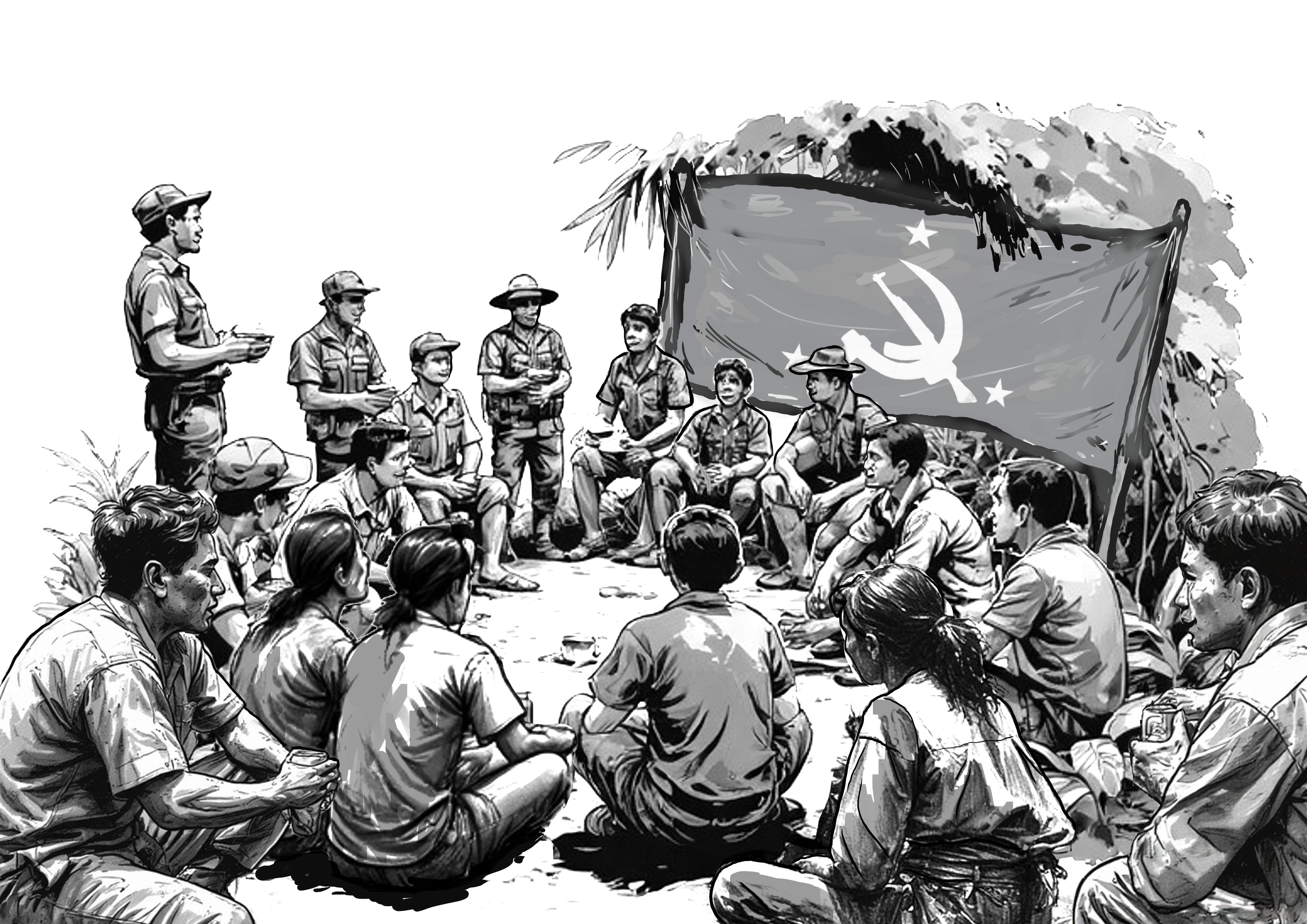
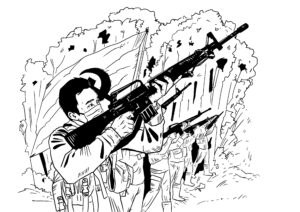
Conditions in Indonesia are ripe for intense class struggle, not only through mass protests but, more importantly, through armed resistance and people’s war, according to the CPP.