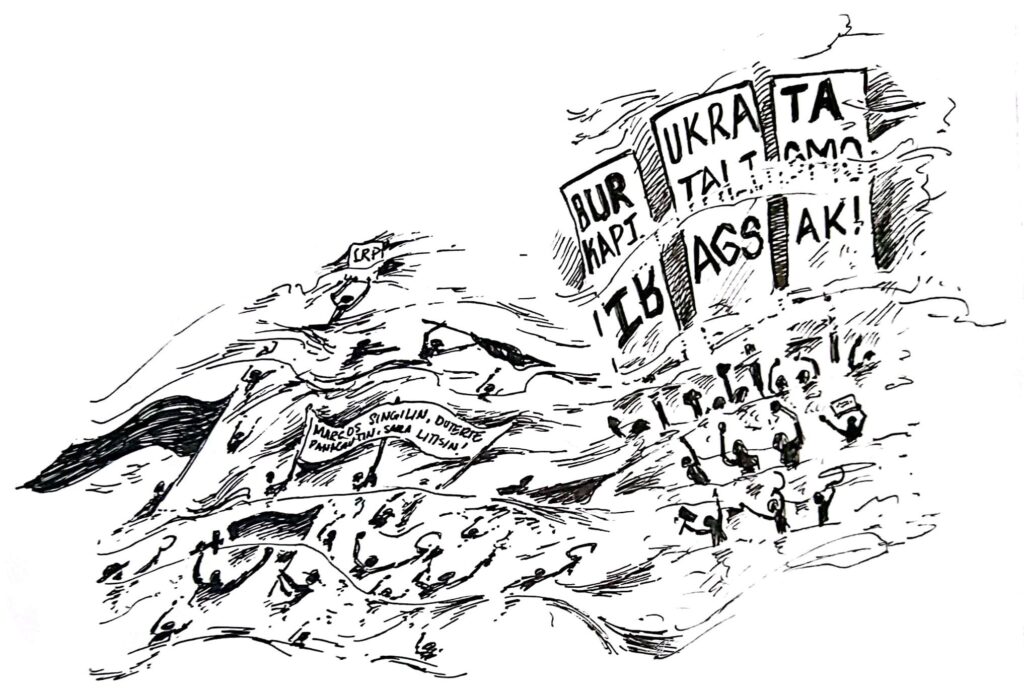
Protests mount against the Marcos regime's corruption
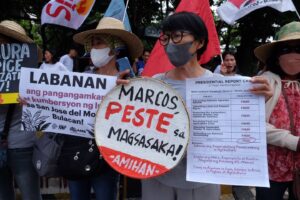
Protests and demonstrations by democratic classes and sectors continue to break out in various parts of the country over the past two weeks to condemn the Marcos regime’s widespread corruption. These come at the heels of the Luneta Park rally by a hundred thousand Filipinos Park in Manila and the subsequent march to MendIola.
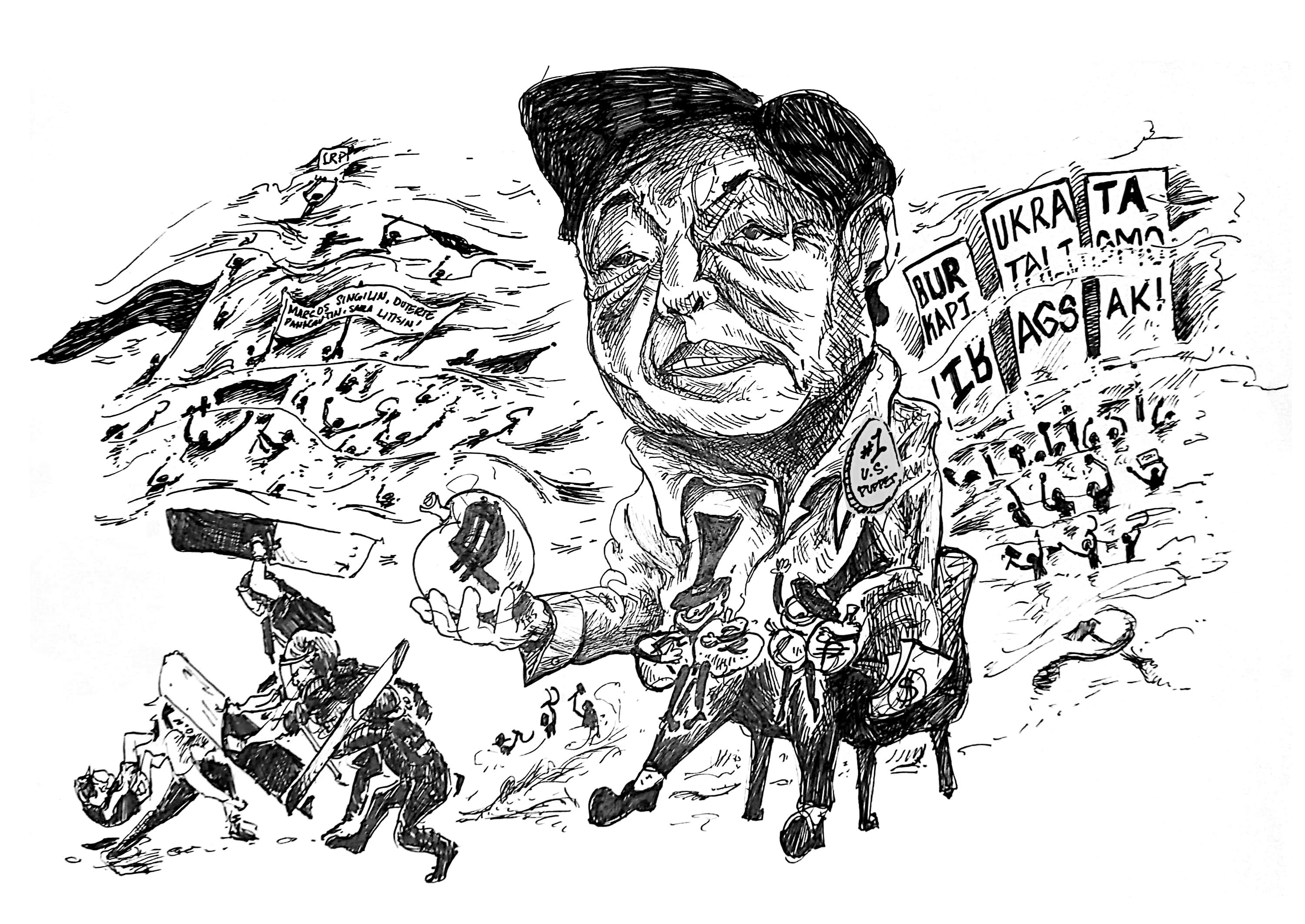
During the massive protest on September 21, confrontations broke out in Mendiola and along Recto. Videos captured the police’s brutal attacks, assaulting the youth with batons, beating and dragging them on the ground. Reports show police firing their weapons and shooting tear gas.
The youth and people did not cower before the aggression and brutality of the Marcos regime’s armed forces which violently dispersed the protests and clashes. Police arrested at least 277 individuals, including 91 minors, the youngest being only nine years old.
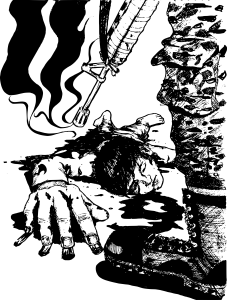
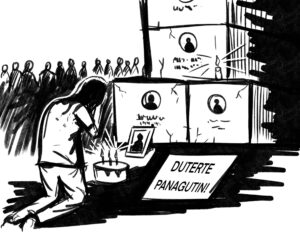
Police gunfire killed construction worker Eric Saber with a shot in the neck. Saber had just come from his job in Pasay City, got off at Recto Station, and was crossing the street to ride a jeepney when he was shot from behind. He was brought to the hospital but died on September 23. Also killed during the confrontation was 15-year-old protester Mark Chustin Serbo, who was stabbed by a 52-year-old civilian.
The arrested and detained experienced cruelty at the hands of the police. Among them were children and youth, students, workers, BPO employees, and others picked up by police simply for being near the clashes. Authorities began releasing the detainees only on September 25 after prolonged and delayed police and court processing of their cases. Many had to post bail to be released from multiple charges.
Arrested minors were also released after being unjustly treated as melee participants with no clear investigation. Some of them were even publicly presented by Manila City Mayor Isko Moreno Domagoso before the media, violating children’s rights and due process of law.
Human rights groups called for a full and independent investigation to hold all perpetrators of the violence accountable. They also condemned the state for “covering-up” its crimes against the people.
People taking action
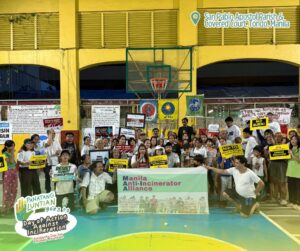
The anti-corruption movement continues to take the form of walkouts, picket protests called Black Friday Protests, and town-level demonstrations by various sectors and groups. Thousands continue to show force in Metro Manila, Isabela, Bulacan, Pampanga, Laguna, Palawan, Naga City, Davao City, Davao Oriental, and other cities and provinces.
Following a series of walkouts in the first three weeks of September, unprecedented walk-outs took place at Far Eastern University (1,000), University of Santo Tomas (1,500), De La Salle University-Manila and College of St. Benilde (1,500), Philippine Normal University (1,000), Isabela State University (500), DLSU-Laguna, UP Visayas (800), Ateneo de Davao University (1,000), Brokenshire College Inc., and Davao Oriental State University. Even in concerts and sports events, chants of “Jail the corrupt!” erupted among the youth.
Hundreds of teachers and education workers also walked out to protest against corruption and to mark World Teachers’ Day on October 3.
In Bulacan, the epicenter of corrupt flood control projects, broad unity is forming among residents against graft. People in 12 of the province’s cities and towns have took action and are standing up to both local and national government agencies implicated in corruption. They continue to form groups and alliances.
The growing protests reflect the deep discontent of the Filipino people amid the economic and political crisis battering the ruling system. This movement manifests the widespread sentiment of the masses suffering from corruption and the worsening ills of the semicolonial and semifeudal system.