Community youth: fight for national democracy
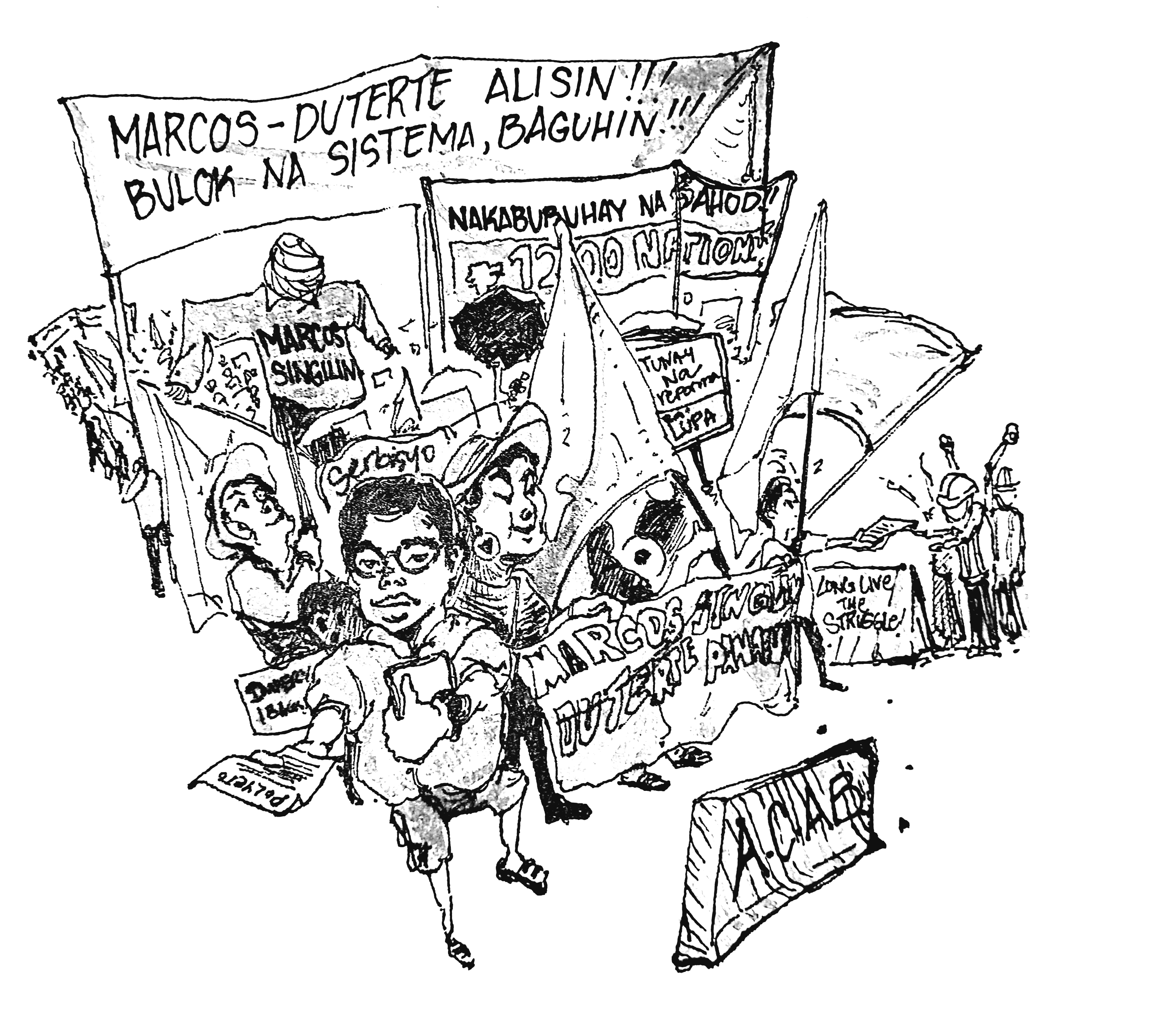
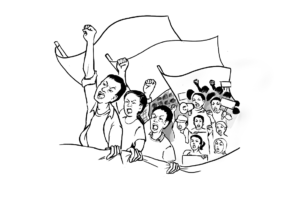
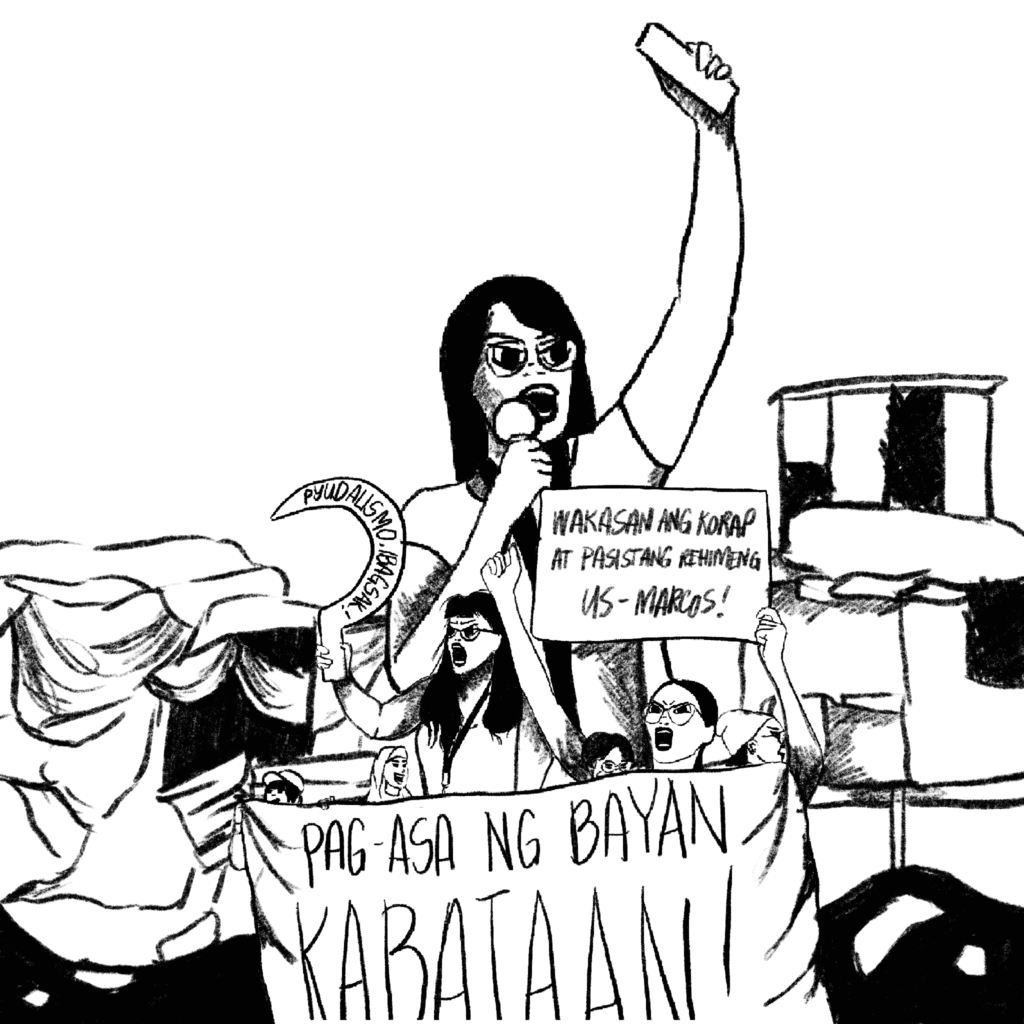
At the foot of Mendiola on September 21, the youth’s overflowing outrage erupted against widespread corruption and the lack of accountability among the country’s highest officials. Many of these young people came from poor communities. Filled with courage and audacity, they confronted the police who had long oppressed their fellow poor. They clearly saw the police as defenders of the oppressive ruling class. They remained unfazed. They withstood the tear gas, water cannons, and truncheons. They clearly understand the righteousness of their struggle.
According to state data in June 2025, youth aged 15 to 24 account for 20.2 million of the country’s total population of 116.9 million. Of these, 19.66 million live in poverty. About 7.2 million are out of school, while 2.36 million are neither studying nor working, with 50.3% being male and 49.7% female.
Severe poverty force Filipino youth to work at a young age instead of studying. However, many of them cannot find decent jobs due to the crisis of the backward economy. They comprise a large part of the semi-proletarian class. They belong to the urban areas’ vast reserve of labor. They earn only through various irregular and informal jobs. Some of them turn to anti-social activities for having nowhere else to go.
Impoverished youth and their families have no decent homes. Hundreds of thousands of families live in flood-prone areas that submerge during heavy rains. Their communities are violently demolished, or deliberately razed to force them to leave and sell their land to big comprador and foreign businessmen.
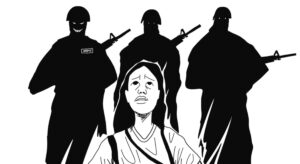
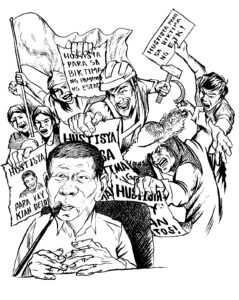
Like their parents, they are victims of the state’s corruption, neglect, and fascism. They witnessed and suffered from the previous Duterte regime’s bloody war on drugs, which continues to this day. They often become targets of police abuse and brutality and are exploited in illegal activities. Like the broad masses, they long for social change and, as youth, recognize their duty to transform society.
The youth’s role in advancing national democracy
The youth play an important role in the Filipino people’s struggle for national liberation and democracy. Kabataang Makabayan (KM) and Communist Party of the Philippines founder Jose Maria Sison said the youth need to organize to oppose anti-people policies and fight for their interests as youth and as part of the people.
KM spearheaded national democratic struggles in the 1960s. It militantly led and organized youth in schools, factories, professions, and communities. After martial law was declared, many of its members went to the countryside and served as seed of the New People’s Army in various parts of the country.
During the anti-dictatorship struggles from the 1970s to 1986, many other youth groups emerged and sacrificed to end the US-Marcos regime. Besides school-based organizations, the youth also formed community groups. Among these was Kadena (Kabataan para sa Demokrasya at Nasyunalismo, or Youth for National Democracy), composed of community youth. It was founded in 1984 in Silang, Cavite to unite different community youth organizations within the framework of the national democratic struggle.
Kadena militantly organized and mobilized hundreds of youth in urban centers and quickly expanded to other regions such as Southern Tagalog and the Visayas. They also took part in ousting the Marcos dictatorship in 1986. Kadena’s organizing work ended around 1990. In the gap it left, Anakbayan was established, which organized community youth and played a role in the ouster of the Estrada regime in 2001.
Groups like KM, Kadena, and others have proven that the community remains a wellspring of militant youth who bravely and boldly advance the people’s national democratic aspirations.
With the militancy shown on September 21, the youth, especially among those from poor communities, will certainly make their movements even more vigorous, as they march to the streets and countryside to fight for genuine social change and liberation long sought by the broad masses.