Correspondence Six decades of victories by the Eastern Visayas peasant movement
Amid the widespread and intensifying feudal and semi-feudal exploitation in Eastern Visayas (EV), it is correct for the peasant masses to look back at the history of their collective struggle. They must draw lessons and inspiration from six decades of brilliant victories achieved through collective struggle.
Using the Communist Party of the Philippines’ revolutionary guide for land reform, the broad peasant masses of EV waged struggles to lower land rent, raise farmworkers’ wages, eliminate usury, and boost productivity.
In the farmlands, peasants confronted landlords to assert their rights. In coconut farms, they achieved a 60-40 division of net income in favor of peasants, replacing the old 90-10 arrangement. They compelled landlords to shoulder 50% of the cost of hauling copra, thereby increasing peasants’ earnings.
In areas that reached higher levels of unity, peasants won a 50-50 arrangement for harvests excluding hauling costs. This marked a victory from the former setup where landlords contributed nothing to production. In places where the one-third share arrangement prevailed in favor of landlords, peasants achieved the 50-50 division.
The masses in some areas also succeeded in lowering loan interest rates from 20% monthly to 10%, and interest-free if paid before one month ends. Conditions for redemption of mortgaged land were removed, and will be automatically returned to the peasant once 100-150 percent profits over the used capital are made. Peasants also retained farming access to mortgaged land ensuring they could earn both for payment and daily needs.
In some areas, land confiscation from despotic and counterrevolutionary landlords was carried out as a form of justice for exploitation and as indemnification for their blood debt with the masses. In other instances, peasants occupied idle lands of absentee landlords, while some enlightened landlords voluntarily lent or donated their land and even production equipment.
“Without the movement, peasants remain settlers in their own land,” a farmer said. Up to now, they continue to benefit from these lands’ great support and produce.
The campaign to raise peasants’ productivity has continued. They promoted the “tiklos-aglayon” campaign, where peasants collectively helped one another in production. This expanded farm areas, eased and sped up work, reduced costs, ensured sufficient food, and most importantly, trained them in collective action.
There was also distribution of carabaos as primary means for individual and communal production. Peasants formed systems to maximize the use of tractors and other production equipment donated by state agencies and private organizations.
Cooperatives for milling and basic goods stores were established. Cooperatives to sell harvests and products at fair prices were also set up. Beyond providing services and affordable basic goods, associations gained added income through dividends. Some cooperatives used their earnings as capital to purchase means of production such as land and carabaos.
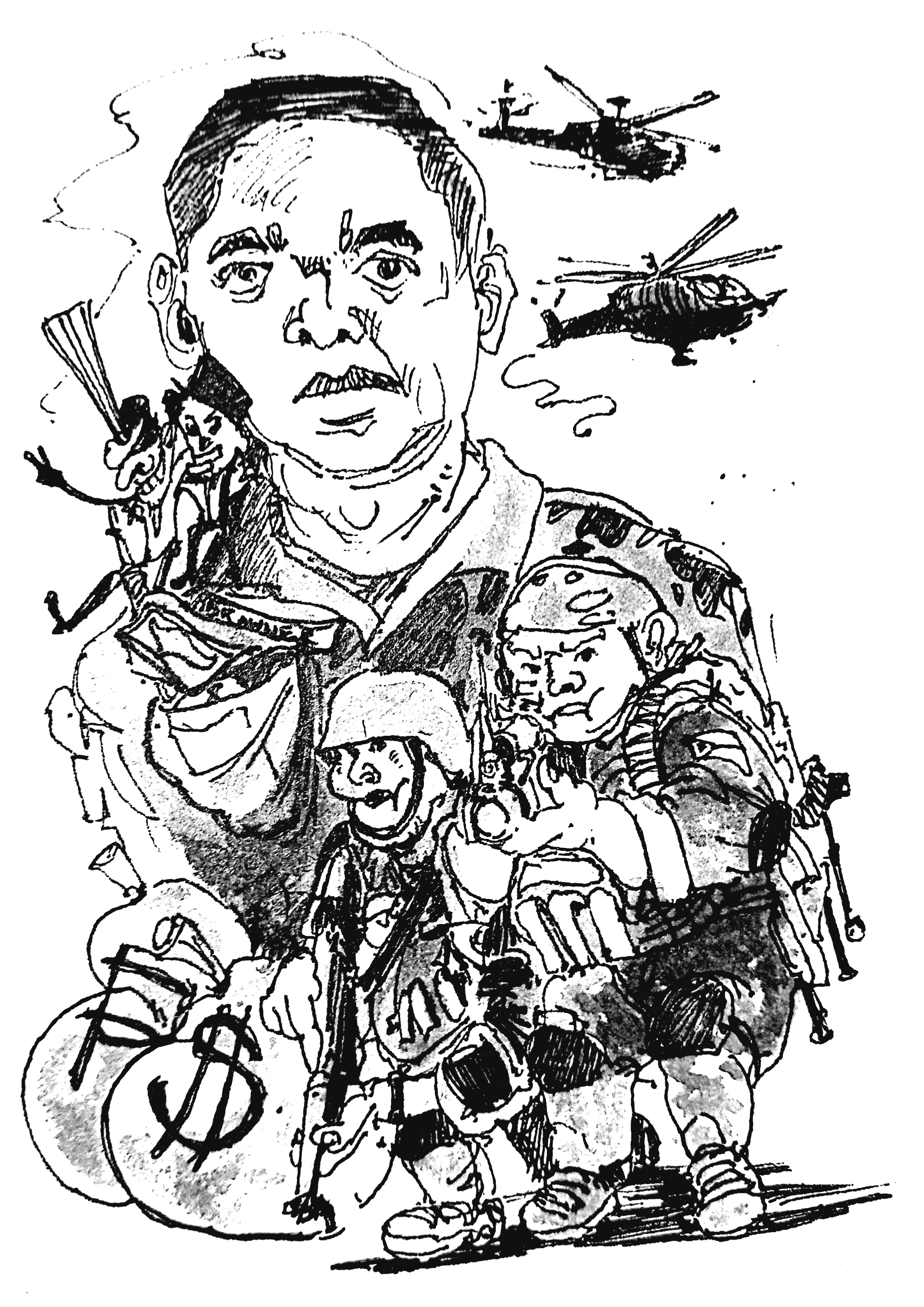
These are only some of the many victories of the peasant movement in the region. They continue to defend these against the intensified presence and ongoing attacks of the Marcos regime and the 8th ID units in their communities. Amid state terrorism, these victories and experiences serve as the material basis for peasants to further defend their lives and livelihood and to fight for a truly democratic and free society.