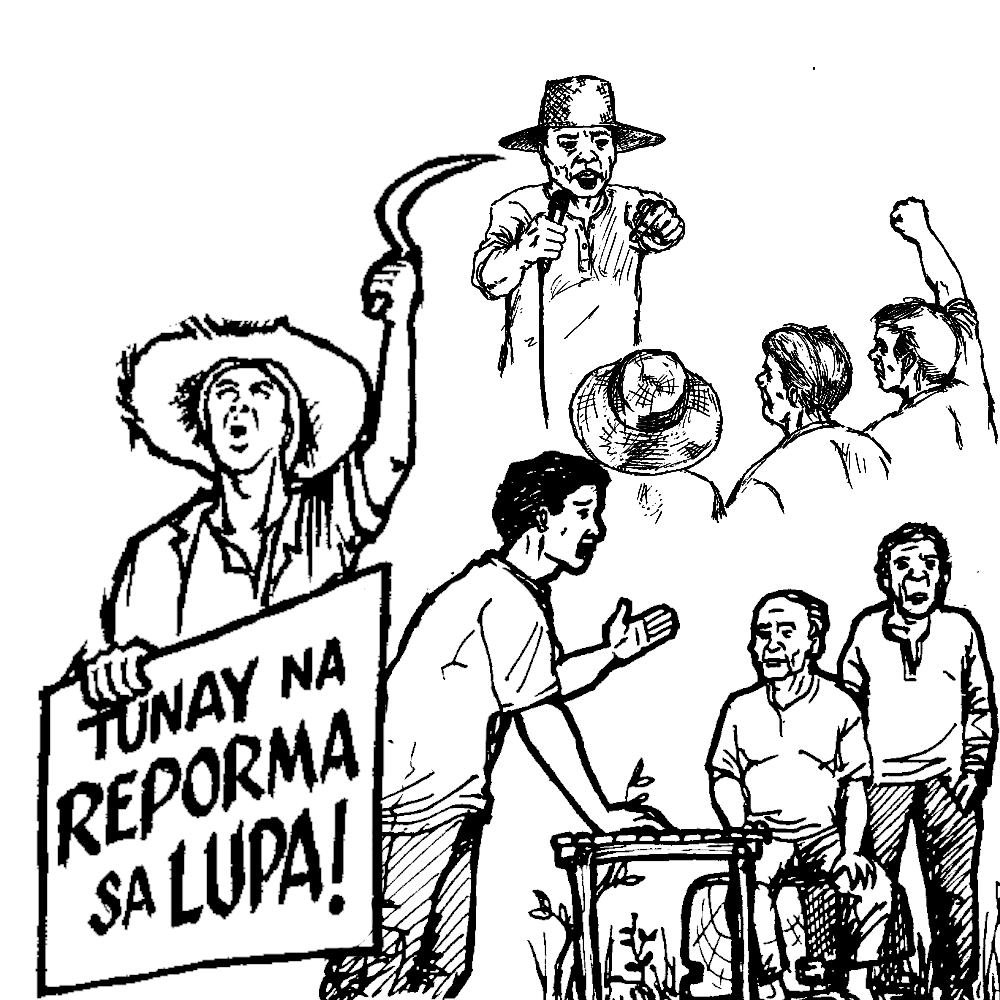
RGRL, not CARP, is the answer to the peasants' land problem
Peasant protests met the 38th year of the bankrupt Comprehensive Agrarian Reform Program (CARP) on June 10. They described the program as the “longest-running, most expensive and bloodiest fake land reform” implemented by the reactionary state.
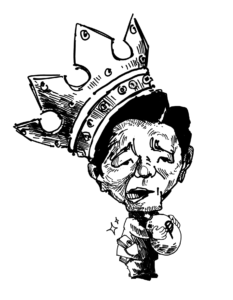
For over four decades, the program did not dismantle the monopoly control of landlords and capitalists over vast haciendas, plantations, and large tracts of land. Instead, it served as an instrument of foreign companies and local landlords to expand their plantations for export crops, real estate and “development” projects, and recently, renewable energy projects on agricultural lands.
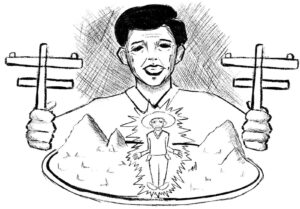
The Marcos regime further worsened this arrangement when it implemented the World Bank’s Support to Parcelization of Lands for Individual Titling or SPLIT. It aims to break up peasant associations’ collective ownership over land parcels to facilitate selling individual parcels to foreign companies. It was paired with the so-called “Emancipation Act” supposedly to “erase” farmers’ debts, so buyers would no longer have to pay.
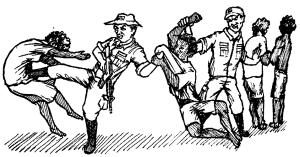
While land is denied to peasants, foreign companies and landlords exploit the cheap labor of millions of farmers who enter irregular jobs to survive. They receive wages even lower than the national minimum, far below a living wage.
Advance the struggle for land reform
In contrast to CARP’s commodification of land, the revolutionary movement regards it as a right of those who till it. The main democratic content of the program for a people’s democratic revolution is to fulfill the peasants’ demand to own the land they cultivate and to abolish various forms of feudal and semifeudal exploitation. Only by transforming conditions in the countryside can the semifeudal social system in the Philippines be changed.
In line with the Revolutionary Guide to Land Reform (RGRL) of the Communist Party of the Philippines, the principal task of the people’s democratic government is to “achieve this goal through the implementation of comprehensive land reform.” At its core is the free distribution of land to poor and lower- to middle-peasant classes. This goes with advancing programs for cooperation in production and strengthening the political power of peasants against the ruling classes and their armed agents in the countryside.
Even before achieving the nationwide victory of the people’s democratic revolution, the Party and revolutionary forces are already implementing the RGRL, particularly its minimum program of reducing land rent, eliminating usury, and raising farmworkers’ wages. Programs are also carried out to increase peasants’ income, and to advance the demand for the best possible prices for their products. Anti-feudal struggles within the framework of the RGRL are launched to achieve social justice for millions of peasants and mobilize them for the people’s democratic revolution. The maximum program of free land distribution to tillers will be carried out across the country the very moment of the downfall of the reactionary state and the establishment of a people’s democratic government.
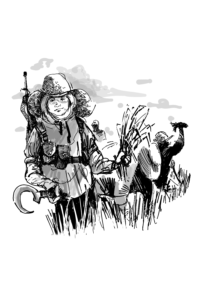
The central task is to build and strengthen peasant organizations under the Pambansang Katipunan ng mga Magbubukid (PKM, or National Peasant Association). The PKM’s call is thus correct: strengthen anti-feudal struggles, expand mass organizations in the countryside, form thousands of organizing groups, and vigorously launch mass anti-feudal, anti-fascist, and anti-imperialist campaigns. It also calls for contributing thousands of Red fighters to the New People’s Army (NPA).
“The highest form of struggle of the peasant masses is the taking up of arms itself,” the PKM said in its June 10 statement. It added that the strengthening of the NPA in the fronts, in areas with imperialist projects, and in farms where peasants are dispossessed and driven out, will gradually smash the political and economic power of the puppet state and US imperialism.