Marcos regime turning a blind eye to the real conditions of the people
The Marcos regime’s flaunted economic development and a robust labor market is severely disconnected to the true conditions of the people. The Ibon Foundation shared this perspective in its forum on January 23 in relation to the state of the local economy.
“If the economy is so steady and the labor sector is so robust, why are so more Filipinos unable to afford what they need and falling to poverty?” Ibon executive director Sonny Africa asked.
The forum was held the day before Ferdinand Marcos Jr boasted of his and his economic officials’ “achievements”. They opined that the economy is in “good shape” despite failing to reach their 2024 development targets. They blame the typhoons that hit the country for their failure to reach 6% growth in gross domestic product this year.
The truth is, GDP growth has been slow since the beginning of 2024, before a series of typhoons hit the second half of the year. The statistics on employment and inflation are incomplete, if not blatantly deceptive. The state uses highly devalued and non-realistic standards of poverty.
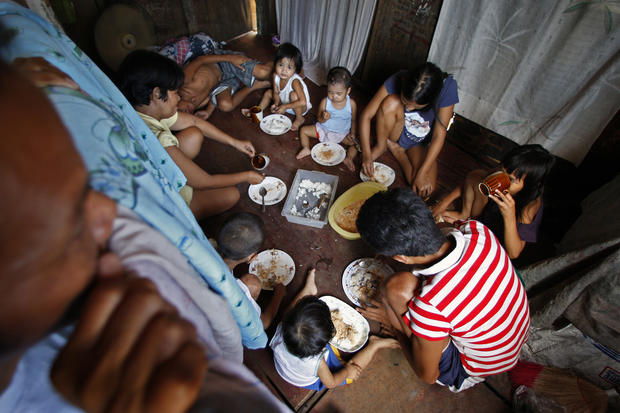
The regime says the number of unemployed has decreased, but more Filipinos have suffered from hunger, according to surveys conducted during the same period. The truth is, the number of impoverished people is increasing because the informal and service-oriented economy can not create quality and formal work with decent wages.
Meanwhile, Marcos’ declaration of progress from foreign and local investments also has a similar disconnect. Local and foreign big businesses boast of high profits from their investments in the country but the development promised by the government is not felt by Filipinos, according to Africa.
The income of the three richest people in the country — Enrique Razon, Ramon Ang and Manuel Villar — grew by 25%, from ₱294 billion to ₱1.5 trillion. Razon and Ang own large water and energy utilities that raised charges in 2024.
“Production sectors so crucial for economic development…are at historic lows,” Africa added. Agriculture’s share of GDP fell to 7.8% in the first nine months of 2024, the lowest in its history. Manufacturing also fell by 17.3% which was the lowest in the past 75 years.
According to Ibon, this is an immediate result of almost five years of economic stagnation.