Typhoon Kristine exposes lack of preparedness and weak infrastructure in Bicol
On the second day of continuous rain and strong winds, the Regional Disaster Risk and Reduction Management Council (RDRRMC) of Bicol announced that it was stopping rescue efforts as its equipment and personnel to handle the extent and severity of the typhoon’s damage was already exhausted. Despite its years of existence, the council apparently lacked preparation and failed to pre-position the necessary equipment and aid to immediately respond to the flooded areas.
Typhoon Kristine hit the country on October 21, and the Bicol region was among those most severely damaged. It brought over 500 millimeters of rain in the first 24 hours, the highest in Albay’s history in the past 55 years. It forced over 77,000 families or nearly 400,000 individuals in the region to evacuate, and for Albay to be put under a state of calamity.
An estimated 1,000 houses, mostly in Bicol, were destroyed on the second day of the typhoon. Flooding, landslides, or fallen trees rendered around 300 roads and bridges impassable. The RDRRMC-Bicol cited this situation and the large number of people seeking help as the reason why it could not continue its rescue efforts.
Amid this utter failure, the Bikol Movement for Disaster Response (BMDR) called on the people in the region to strengthen their collective action to address their needs.
“KristinePH revealed the vulnerability of Bicolanos during natural calamities that challenged the government’s aid to collapse,” the group said. “We need to strengthen our collective effort to help our fellow Bicolanos.”
As of Sunday, October 27, many areas in the region remain flooded hindering the delivery of aid to some areas.
“The massive flooding, landslides and erosion exposed realities of substandard roads and bridges, lack of infrastructures for flood controls, unabated deforestation activities, and quarrying and mining activities,” the group said. It called on local governments, being primarily responsible for this, not non-government organizations (NGOs), to immediately send aid to the communities.
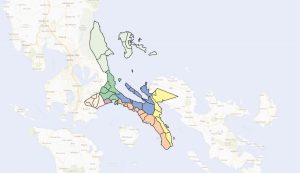
The BMDR is currently assessing the damage and needs of communities in Albay, Sorsogon, and Camarines Sur. Its members also delivered food to the affected communities.