Challenges in the backward and imperialist-dominated science and technology sector
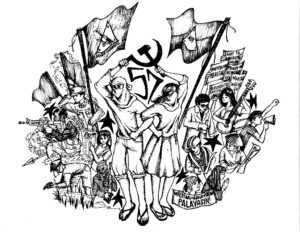
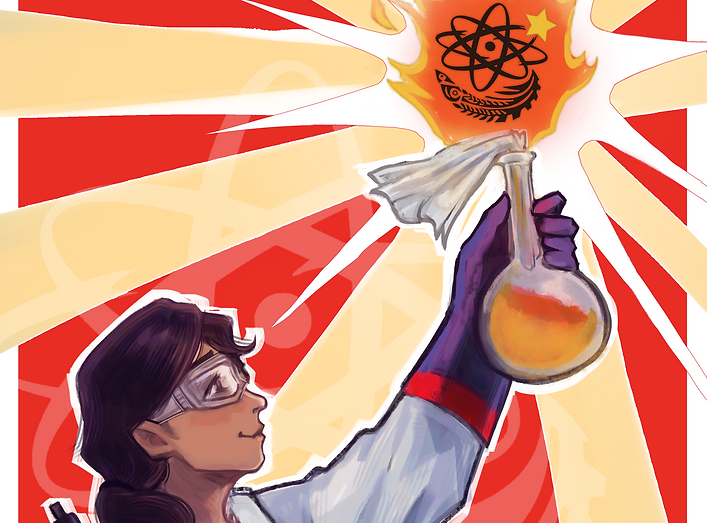
Revolutionary and progressive scientists, engineers, technologists, professionals, and youth students in the science and technology sector celebrated the 50th anniversary of the Liga ng Agham para sa Bayan (LAB, or Science League for the People) on December 26, 2025. Over the past five decades, the organization has achieved various victories in organizing, participating in the armed struggle, and clarifying issues surrounding science, technology, and their practical role in the revolution. Presently, LAB continues to study the history of its struggle to further reinforce its strengths and correct weaknesses of past years.
The initiatives of LAB include conducting a comprehensive investigation to further develop knowledge within the sector. On the occasion of its anniversary, LAB released a special report regarding the country’s state of science and technology. Below summarizes the main points of the investigation.
Imperialist control
Giant imperialist corporations hold a monopoly over capital, research, production, and distribution of science and technology. They control global communication, including the internet and social media (Facebook, Youtube, X/Twitter), as well as giant companies like Meta, Microsoft, and Apple based in the US. They profit from these technologies while using them for surveillance, spying, and disinformation to suppress the people’s struggles.
Imperialist powers dictate the direction of global scientific and technological research. They block the advancement of these sectors in semicolonial countries because such development would promote competition that runs counter to imperialist interests and frameworks.
State of science and technology in the Philippines
The Philippines remains a supplier of raw materials and cheap labor, and an importer of finished products and foreign technology.
The expenditure for scientific and technological research and development is very low—only 0.16% of the gross domestic product from 2020 to 2022. The Department of Science and Technology has an extremely small budget (₱28.7 billion in 2025).
Local industry focuses only on product inspection and process modification. The country lacks basic research or product development. Product innovation is hindered, stifling the local sector’s creativity. Local technicians remain mere users and mechanics of imported technology.
Agricultural mechanization remains insignificant. Research efforts focus on sustaining dependence on foreign chemicals, fertilizers, seeds, and genetically modified crops (or GMOs) to boost large corporates’ profit.
The quality of STEM (Science, Technology, Engineering, and Mathematics) education is poor. Facilities, laboratories, and qualified teachers are lacking. Few pursue natural sciences due to low wages and lack of job opportunities brought by the absence of basic industries.
Stunted and import-dependent
The Philippines is a dumping ground for old and destructive technologies—from the Green Revolution to nuclear and diesel plants and megadams. The digital infrastructure remains weak. In 2019, 82% of households had no internet access, and the service was slow, with an average speed of 6.05 Mbps, compared to the global average of 11.03 Mbps. Cybercrime, scams, surveillance, and data leaks continue to worsen under laws such as the SIM Registration Act and Cybercrime Prevention Act.
US companies continue to amass profits through control of technology and exclusive authority over its supply and pricing. The US has also introduced its military technology into the Philippines in preparation for its inter-imperialist war with China. The puppet Marcos regime allowed the construction of ammunition factories and war material depots despite the dangers these pose to the nation.
Overall, the backward state of agriculture and industry stunts and perpetuates the dependent nature of the science and technology sector. The reactionary state colludes with imperialism in maintaining this control. Science and technology will genuinely develop only through national industrialization and agricultural modernization, that will be achieved in the national-democratic revolution with a socialist perspective.