6 out of 10 winning party-lists do not represent the poor—Kontra Daya
On May 19, the Comelec named 54 party-list groups that received enough votes to win seats in Congress. However, according to Kontra Daya, most of these parties and groups do not represent the poor and marginalized sectors of society.
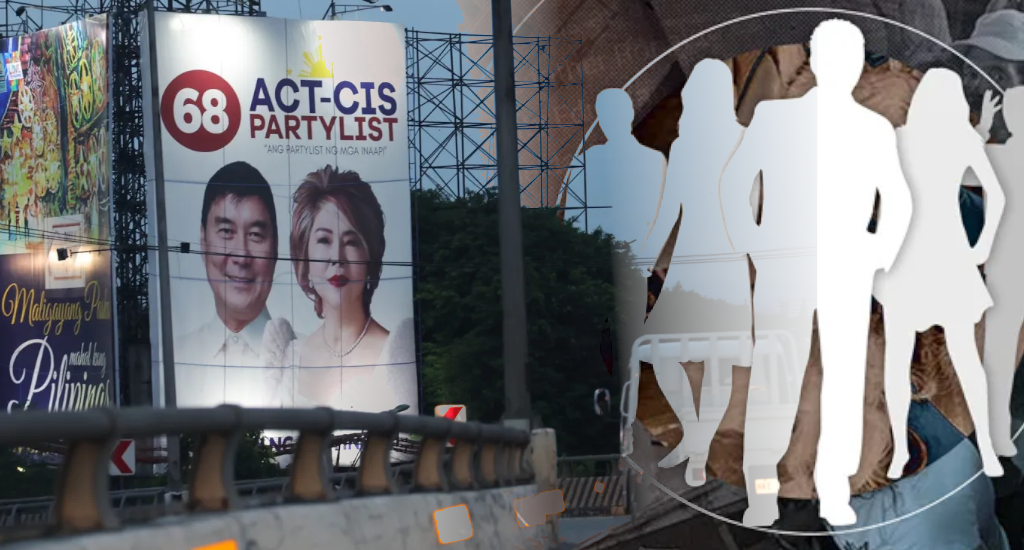
Based on the group’s data, 38 of the representatives from the winning party-lists come from political dynasties, big businesses, or have connections to the military or police. These groups are also facing pending corruption cases, have dubious advocacies, or limited information.
At least 22 of the party-lists are linked to political dynasties. Meanwhile, nine are connected to big business, and four are linked to the police and military.
Many denounce the these anomalous groups’ victory as it goes against the purpose of the party-list system promoted by the 1987 constitution.
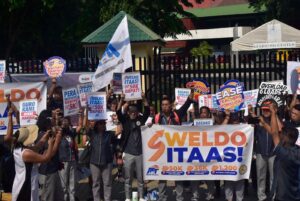
“This is not the spirit of the party-list system. It is time to review, change, and correct the law so that it truly serves its purpose,” according to Bayan Muna, one of the first established parties in the party-list system.
According to Danil Arao of Kontra Daya, Filipinos should call on the 20th Congress to push for an anti-dynasty law and amend the party-list law so that it can be used to genuinely represent the poor and voiceless. He added that the hijacking of the party-list system by the rich and powerful must end.