Filipino students fall victim to "education trafficking" in Australia
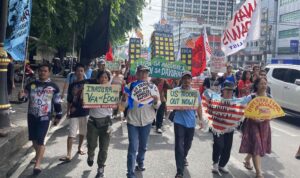
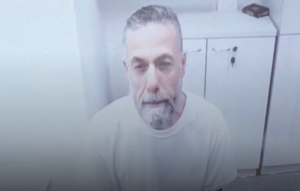
Filipino student Bab Serafin in Australia faces the threat of deportation after reporting to authorities that he became a victim of a “ghost college” in South East Melbourne.
Serafin said his former school had no proper classes, required payment for attendance, collected various fees, and provided students with answers to assessments. Despite transferring to a legitimate school and reporting the scam, Australia’s Home Affairs still canceled his visa. He is currently awaiting the tribunal’s decision on his appeal to remain in the country and continue his studies.
Migrante-Aotearoa coined the term “education trafficking” in 2016 after documenting cases of fraud against international students by immigration agents, private colleges, and capitalists. Many of the victims are brought to Canada, Australia, and Aotearoa, countries that allow foreign students to stay and study.
This system entices and promises overseas students a visa to study in a fake school. The agency then abandons once victims arrive. Lacking documents, they cannot access essential services, find jobs, buy food, or secure housing. Agencies also burden them with more fees, drowning them deeper into debt. Some students were hired on farms and deprived of wages.
Filipino students often begin falling for “education trafficking” in the Philippines, with a promise of permanent residency without taking exams. They are charged with exorbitant ‘processing fees’ and ‘placement services,’ which trap them deeper in a cycle of exploitation.
Migrante Melbourne reported that the fake school Serafin first attended had already defrauded more than 500 Filipino students since 2018.
During the pandemic, many students sought help from Migrante because of the school’s harassment. They were forced to pay $12,000 for an incomplete course.
The organization also documented complaints from 42 students, including false promises of residency in Australia, poor teaching, expensive fees, and fake enrollment in their schools. They were also threatened with deportation if they reported the fraud to authorities.
Scams in the education and training sectors worsened since Australia privatized these sectors. In 2024, the country had more than 3,700 private training institutions, earning billions from over 1 million foreign students.
Because of this, the Australian Skills Quality Authority was forced to shut down dubious colleges and cancel more than 23,000 qualifications of its students.
Nevertheless, Australia does not recognize “education trafficking,” despite matching the three elements of the UN Trafficking Protocol: recruitment through fraud, abuse of victims’ vulnerability, and exploitation of their ‘services.’
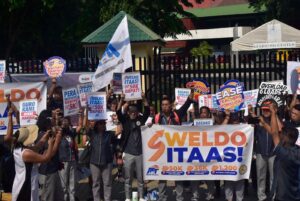
“These legal loopholes deprive students like Serafin of the protection they need while allowing abuse to continue,” Migrante Melbourne explained.
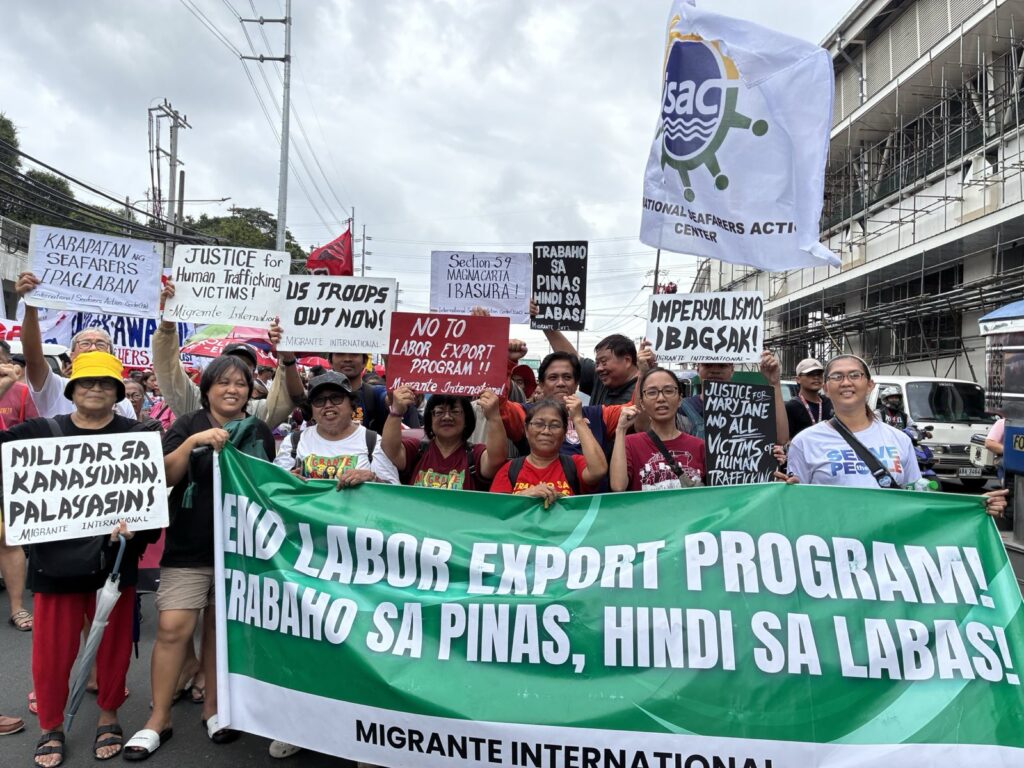
“As authorities investigate widespread abuse, we must call for stronger regulations on schools and their recruiters both in Australia and in the Philippines. We also call on the Philippine government to end its labor export policy, which pushes Filipinos to work abroad, and instead create sustainable jobs at home,” the group urged.