Lawyers say Philippines' removal from FATF "grey list" tramples on human rights
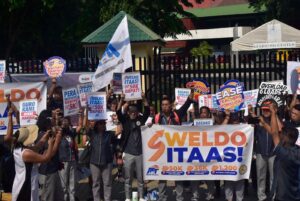
A group of lawyers called the removal of the Philippines from the Financial Action Task Force (FATF) list a “pyrrhic victory”. This list includes countries where money laundering and alleged “terrorism financing” are rampant. According to the National Union of People’s Lawyers (NUPL), the removal from the said list is not a victory for the Filipino people, and is merely a “concession” to an unjust global order.
The FATF is an organization created by imperialist countries in the G7 to feign fighting money laundering, terrorism financing and other “threats to the global financial system.”
“This so-called achievement has been built on a foundation of political pressure,” the lawyers said. The FATF ignored the Philippine state’s misuse of counter-terrorism laws to silence dissent and criminalize civic and humanitarian organizations.
The lawyers pointed out that the surge in fabricated “terrorism financing” cases that trampled on human rights was deliberately done to satisfy the requirement for removal from the list, and not an “unintended consequence” as claimed by the Marcos regime.
While it aggressively suppressed organizations helping the people, the regime failed to address large-scale corruption, illicit financial flows in and out of the country and the billions of pesos laundered through Philippine Offshore Gaming Operators or POGO, according to the NUPL.
The lawyers said they saw firsthand how the Philippines’ pursuit of FATF requirements resulted in the erosion of fundamental rights in the country.
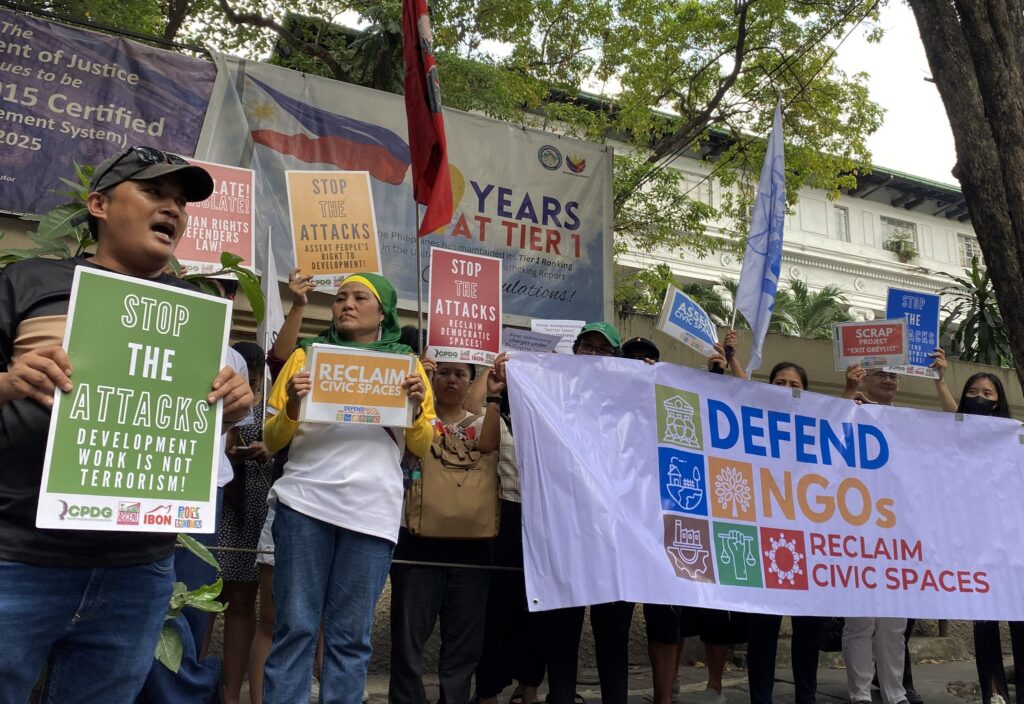
As long as the FATF refuses to engage with civil society (non-government organizations), it will continue to serve as a convenient shield for state repression under the pretense of financial integrity, they said. They challenged the institution to take responsibility for the harm its supposed “standards” have caused to human rights in the country.
This month, the NUPL reported, in partnership with the Council of People’s Development and Governance, that 62% of staff from 126 humanitarian and civic organizations reported being red-tagged in the past year, 57% of them subjected to physical surveillance and 17% faced “terrorism financing” cases as a form of state harassment and intimidation. They know this is being done to forcibly obstruct their humanitarian work.