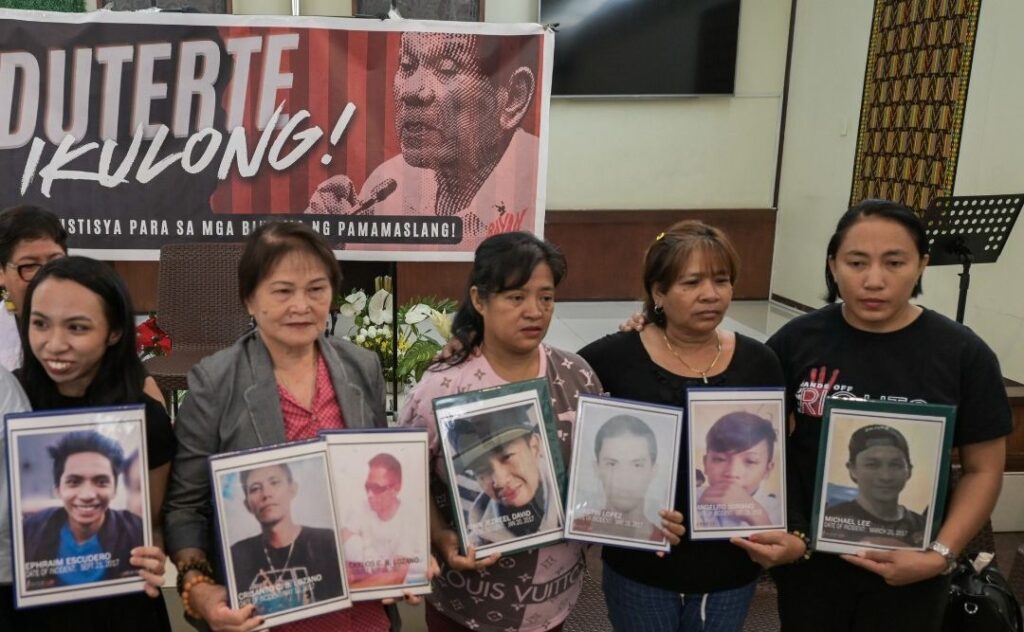
Narrow scope of Duterte’s ICC case dismays victims’ lawyers
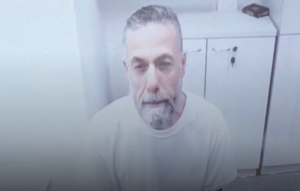
On September 23, the International Criminal Court (ICC) released the Document Containing the Charges (DCC), which outlines the charges against Rodrigo Duterte. The court would have presented this document if his confirmation hearing had proceeded as scheduled. The court postponed the hearing after Duterte’s lawyers requested an indefinite delay, claiming he was not “fit to stand trial.” The court concurred, giving its doctors enough time to evaluate his health.
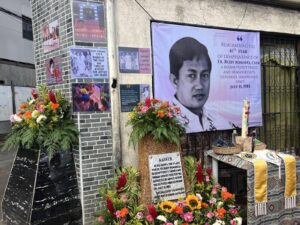
The DCC identifies three counts of crimes against humanity, specifically murder and attempted murder. It covers 49 separate incidents of drug war-related killings from Duterte’s tenure as Davao City mayor through his presidency. The document also names eight other “co-perpetrators,” whose identities the ICC is still withholding. They join Senator Ronald “Bato” Dela Rosa and former Justice Secretary Vitaliano Aguirre II, who are cited for their prominent roles in expanding the Davao Death Squad operations nationwide.
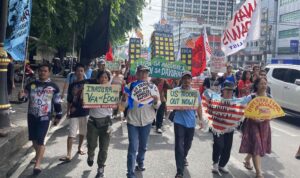
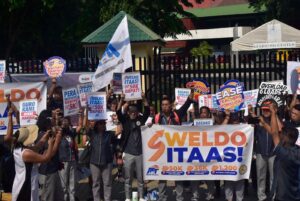
Rise Up for Life and for Rights and their lawyers voiced concern over the case’s narrow scope, which restricts the recognition of victims and limits acknowledgment of the full range of Duterte’s crimes. ICC recognizing fewer victims and categories allows only a smaller group to participate in the proceedings.
“This case’s limited scope neglects thousands of victims of killings, illegal arrests, detention, torture, and other human rights violations experienced under Duterte’s leadership,” Atty. Kristina Conti, National Union of Peoples’ Lawyers-National Capital Region and co-counsel of Rise Up secretary general, said.
Conti noted that the ICC’s broader investigation also covers crimes against humanity related to enforced disappearance, sexual violence, torture, and other inhumane acts.
“Proceeding with a smaller section of crimes against Duterte may be a strategy for the prosecution, but it is a disservice for the victims of the mass murders, and also of his other crimes as well,” Conti said. She also described the DCC’s delayed release as “disconcerting and disappointing,” noting that it had already been given to the defense and the court in July 2025. Covering only a subset of the victims, only 15 out of nearly 304 who applied will be allowed to participate.
Despite the challenges, Rise Up regards the release of the DCC as a significant milestone in the case against Duterte. This document represents the first criminal charges for grave violations against a Philippine president, containing comprehensive evidence of killings throughout his “war on drugs.”
“When the confirmation of charges hearing pushes through, Duterte will be formally confronted with these allegations. It is all the more imperative that Duterte remain at the ICC detention facility to ensure justice and accountability for the victims,” said Conti. “This case marks a vital step toward global justice, since we have far fewer opportunities for accountability at home.”