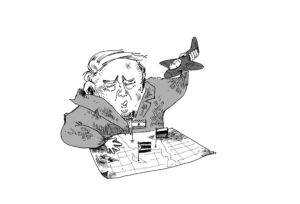
Marcos visits Japan for military alliance and further exploitation of workers
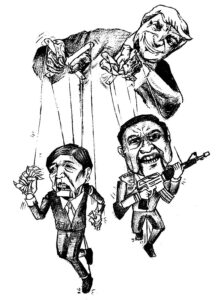
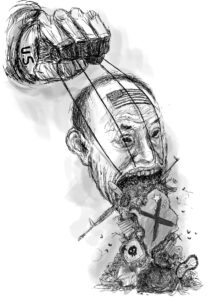
Protests greeted the visit of Ferdinand Marcos Jr to Japan on May 26−28. The 4-day official visit aims to strengthen military agreements such as the Reciprocal Access Agreement and Acquisition and Cross-Servicing Agreement, purchase second-hand weapons and warships, and peddle cheap Filipino labor power.
Filipino and Japanese groups in Japan held protests, forums, and a photo exhibit to denounce the expanding military ties and arms sales to the Philippines. Bagong Alyansang Makabayan-Japan, Network Against Arms Trade, and Japan Campaign for Human Rights in the Philippines led the activities. They said that arms sales to the Philippines support the Marcos regime’s widespread human rights violations.
The regime plans to buy Japan’s decommissioned ships (Abukuma-class), Type 88 missiles, and other matériel. To fund this, Marcos will borrow ¥64.38 billion ($413 million) from Japan under Official Development Assistance.
Progressive groups in the Philippines protested near the Japanese embassy on May 26 to demand justice for victims of Japan’s occupation during World War II, particularly crimes against enslaved comfort women. They said that by allowing Japanese soldiers to once again set foot on Philippine soil proves the Marcos regime’s subservience to the US war scheme in Asia.
Alongside the military agenda, Marcos flaunted a promised ₱56.3 billion in investments from four Japanese companies expected to generate 10,000 jobs. However, according to Pagkakaisa ng mga Manggagawa sa Timog Katagalugan (Unity of Southern Tagalog Workers), Japanese investments have never brought development. These operations in the Philippines focus on labor-intensive processes. Workers’ wages remain low and benefits limited, while profits are repatriated to Japan.