Peasants and fisherfolk concern over Super El Niño
Kilusang Magbubukid ng Pilipinas (KMP, or Philippine Peasant Movement) warned against the looming super El Niño from mid-2026 to early 2027. For peasants and fisherfolk, this means loss of harvests, further rising costs, water shortages, and severe hunger.
According to the Philippine Atmospheric, Geophysical and Astronomical Services Administration, there is a 62% chance of El Niño from June to August, rising to 82% by the end of the year. Its worst effects are expected from October to December. A total of 49 areas in the Visayas and Mindanao are expected to experience below-normal rainfall, rising temperatures, and severe drought. This will conversely bring fewer but stronger typhoons this year.
Damage to fisherfolk and farmers
Fisherfolk income further drops during El Niño with the decline of fish stocks and coral bleaching of coral reefs which serve as spawning grounds and shelters for small fish. The likelihood of fish kills and red tide increases. Extreme heat also reduces fishing duration and makes fisherfolk more vulnerable to heatstroke.
This gravely threatens food security as 42.2% of Filipinos’ protein intake comes from fish. It is the second most important staple next to rice. Fish prices in markets will inevitably rise as catch weakens, adding to already soaring rice and food prices.
KMP said repeated El Niño disasters expose the state’s long-standing neglect of agriculture: inadequate irrigation, lack of production subsidies, dependence on food imports, and the absence of genuine land reform.
Peasants’ lament in Bicol, Cagayan Valley, and Panay
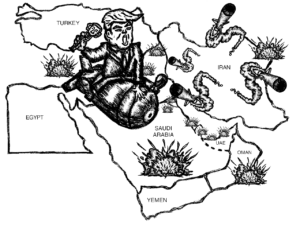
Farmers have long carried the burden of successive disasters while the state remains inutile and provides no support for their needs. High prices of diesel and farm input such as fertilizer, raised by the imperialist wars of the US and Israel in the Middle East, further worsen their conditions. The onset of super El Niño will worsen farmers’ suffering.
Beyond natural calamities, surging production costs heavily burden peasants in Bula, Camarines Sur. One hectare of rice land requires 249 liters of diesel for tractors and water pumps costing over ₱21,000. Added to these are fertilizer that costs nearly ₱15,000 for Triple 14 and Urea. Initial capital for fuel and fertilizer alone exceeds a total of ₱36,000—excluding seeds, pesticides, and labor. These cause many farmers to stop planting to avoid sinking into debt.
Many farmers have yet to recover or are only beginning to recover this year from past disasters, including ₱2.1 billion in agricultural and fisheries losses in Bicol in 2024. Some lands remain unarable due to accumulated mud and sand from repeated eruptions of Mayon Volcano.
In Cagayan Valley, the Isabela local government declared a state of calamity in March when prolonged drought hit the province. In Tuguegarao, lack of rain affected up to 3,000 corn farmers, destroying around ₱2.3 billion worth of crops, or 80% of plantings.
Farmers’ suffering intensified as oil prices rose. Irrigation costs reached ₱110–₱125 per liter. Water pump expenses increased to ₱2,500 from ₱1,200 per day, while pesticide prices rose from ₱1,600 to ₱1,900 per sack.
Farmworkers’ wages remain suppressed. Sugarcane workers earn about ₱300 per day, while piece-rate workers receive ₱500 per ton. This covers 11 hours of work to meet a 10-ton daily quota. Farmworkers in corn and rice fields earn ₱500 per day per hectare, which already includes food and transportation.
In Panay, severe drought dried up farmlands and lowered water levels at Maasin Dam. Initial losses from dried vegetables, rice, and fruits reached over ₱200,000. Livestock deaths were also recorded in San Dionisio, Northern Iloilo, with losses estimated at over ₱70,000.
Farmers and fisherfolk demand immediate government action, including declaring a state of imminent disaster, providing subsidies, crop insurance, adequate compensation, expanding irrigation, stopping importation, and scrapping the Oil Deregulation Law.
KMP emphasized that as long as agriculture remains dependent on imports and lacks genuine land reform and meaningful support for local production, the agriculture and fisheries sectors will remain vulnerable to climate-driven disasters.