NDFP launches theoretical conference on fascism and imperialism in neocolonies in the 21st century
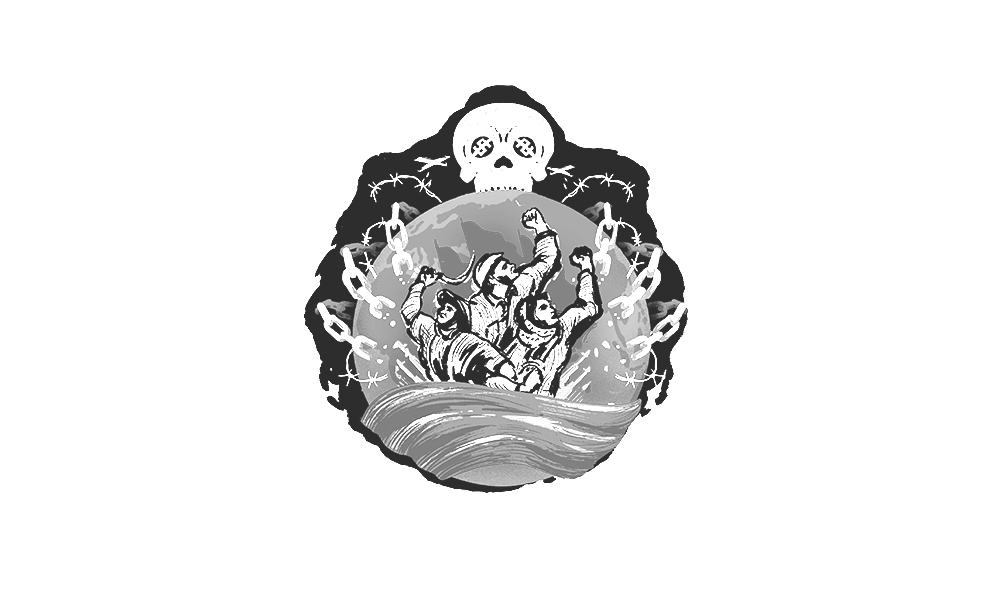
The National Democratic Front of the Philippines (NDFP) led the successful 6th International Theoretical Conference with the theme “Fascism and Imperialism in Neocolonies in the 21st Century” on May 22–23 in Kathmandu, Nepal. It was attended by nearly 200 delegates from 17 countries, composed of communist parties, workers’ parties, party-building groups, revolutionary organizations, national liberation movements, and progressive organizations.
The activity was the second of two consecutive conferences that tackled the topic of fascism in the 21st century. The preceding conference discussed fascism in the heartlands of imperialist and industrialized capitalist countries.
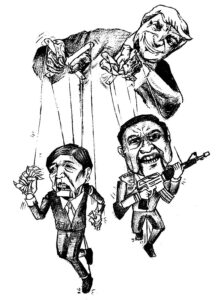
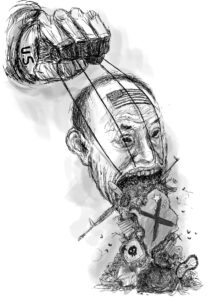
Discussing 17 theoretical papers deepened the assembly’s understanding of fascism as a product of the crisis of imperialism. It emphasized how imperialists and puppet regimes use fascism through counterinsurgency programs and various forms of repression to maintain their wealth and power.
The conference drew lessons from the contributions of Lenin, Stalin, and Dimitrov, including lessons and knowledge gathered from the NDFP’s fifth theoretical conference, to analyze the historical development and adaptation of fascism in the 21st century in neocolonial countries. The conference emphasized the urgent need to build a broad united front of workers, intellectuals, and other oppressed sectors to effectively confront and defeat fascism.
The conference concluded with a synthesis of the discussions, tribute to the martyrs of people’s war and revolutions in neocolonies, and the singing of “The Internationale.”
Roots of fascism in the Philippines
The Central Committee of the Communist Party of the Philippines shared the article “Wage the people’s war to uproot fascism and imperialism in neocolonies” which traced the history of fascism and the evolution of fascism and the neocolonial fascist state in the Philippines.
It distinguished the process of the rise of fascism in capitalist countries and in neocolonies. Fascism in the centers of imperialism emerged as a reactionary movement (ultra-nationalist and anti-communist) that exploits the crisis of capitalism to seize power and suppress the working class. Fascism in neocolonies emerged through imperialist suppression of national resistance to enable unrestrained plunder by foreign capitalists and their allied local ruling classes.
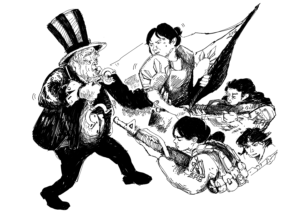
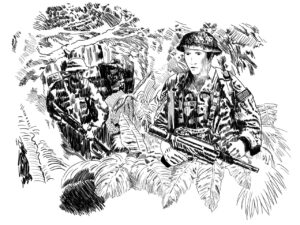
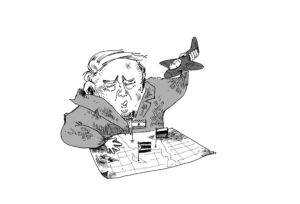
Fascism in the Philippines did not organically arise but was imposed by US imperialism in the form of a neocolonial state. The US exported fascism to the Philippines alongside the intensifying crisis of monopoly capitalism. While maintaining a bourgeois-democratic system in its own country, it carried out brutal fascist occupation and anti-communist repression in the Philippines. This repression eventually intensified through counterinsurgency doctrines based on US manuals.
From past puppet regimes to the present, the state has implemented various military campaigns and repressive laws such as the Anti-Terror Law and Executive Order 70 to systematically suppress activists, journalists, and critics. The state uses mechanisms to completely dominate, including the imposition of undeclared martial law, the enactment of laws to legitimize fascist rule, control of ideology and media, and the use of advanced military technology for surveillance and suppression of revolutionary movements.
The protracted people’s war is advancing the people’s democratic revolution in the Philippines to overthrow the rule of US imperialism and its allied ruling classes. This is the only way to end fascism.