US imperialism's intensifying aggression and intervention in Latin America
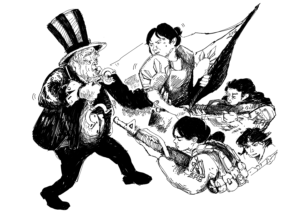
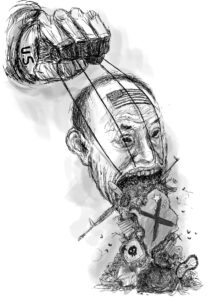
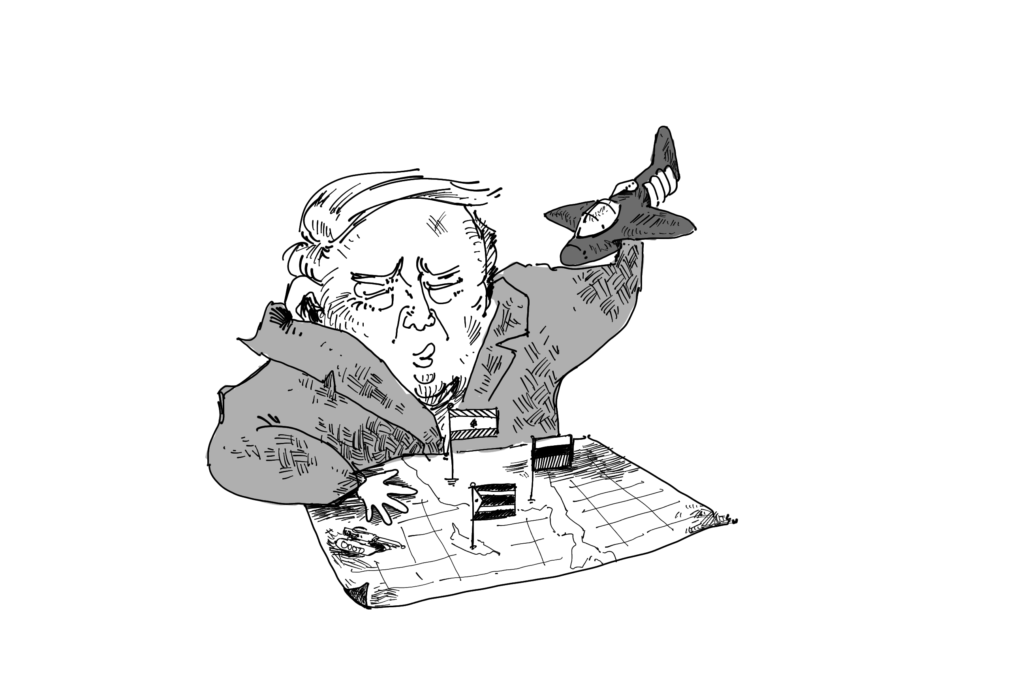
Led by its president Donald Trump, US imperialism’s offensives in the past month against Latin American countries intensified. The “Trump Corollary” or extension of the Monroe Doctrine justified the current attacks, aggression, and pressure.
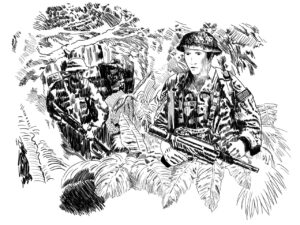
Venezuela. US troops conducted an “evacuation drill” in central Caracas, Venezuela on May 23. Two helicopters carrying American soldiers, ambulances, firefighters, and other US security forces participated in the activity. US Southern Command chief General Francis Donovan himself led the military operations.
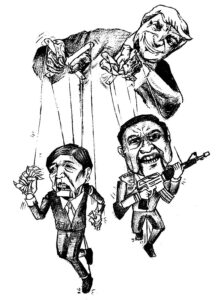
The Venezuelan government under acting president Delcy Rodríguez allowed this under the cover of “standard diplomatic security and protection protocols.” Rodríguez entered into various political and economic agreements with the Trump government amid US pressure and threats. These include “security exercises.” This followed the US abduction of former Venezuelan president Nicolás Maduro and his wife Cilia Flores on January 3.
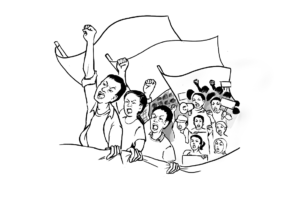
Various groups in Venezuela condemned the military exercise, saying it is blatant US intervention and violates the country’s sovereignty. “No to the drill! Yankee go home!” the protesters demanded.
Cuba. The US imposed sanctions and filed charges against government officials and revolutionary leaders in Cuba. On June 4, the US Treasury Department directly sanctioned Cuban President Miguel Díaz-Canel, his family, and close relatives of the Castros. This coincided with Trump’s renewed threat to “deal with” Cuba after Iran.
On May 20, the US Department of Justice filed charges against Raúl Castro, 94, revolutionary leader, general, and former president of the country. The US is prosecuting him in connection with the downing of two planes in Cuba in 1996 that were then used by pro-US forces to interfere in Cuba. Cuban officials denounced the move, saying it would only be used as a pretext to assault and attack the country, as was done in Venezuela.
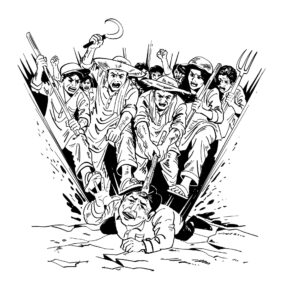
Bolivia. Amid the worsening economic crisis and declining quality of life, the Bolivian people condemned the incumbent regime’s subservience to US dictates. They clearly know that the Paz regime’s policies favoring the US and foreign companies betrays the country’s sovereignty. The general strike of workers and toiling masses in Bolivia that began in May continues. Many major cities in the country are paralyzed.
Strikers grew even more furious by the US’s open support for the Paz regime’s dispersal and fascist repression of protests. They know the US backs the regime because it is key to plundering Bolivia’s natural resources. They condemned US intervention in the country, including the threat to abduct Evo Morales, an anti-imperialist leader and former president of Bolivia.
The US covets Bolivia’s lithium reserves, among the largest in the world. It is part of the so-called “Lithium Triangle” in South America along with Argentina and Chile. These three countries hold more than 50% of the world’s total lithium.
Colombia. The US is blatantly intervening in the ongoing national elections in Colombia. US Senator Bernie Moreno illegally met with Colombia’s conservative candidates on May 29 to unite the Right against progressive candidate Iván Cepeda in the June 21 runoff. Moreno joined the 86-member US delegation serving as “observers” in the election and as instruments of intervention.
In the first runoff of the election on May 31, fascist candidate Abelardo de la Espriella led with 43.7%. After the results, Trump openly endorsed him for the final election in June. Current Colombian president Gustavo Petro condemned this as an affront to the country’s sovereignty.