Protests
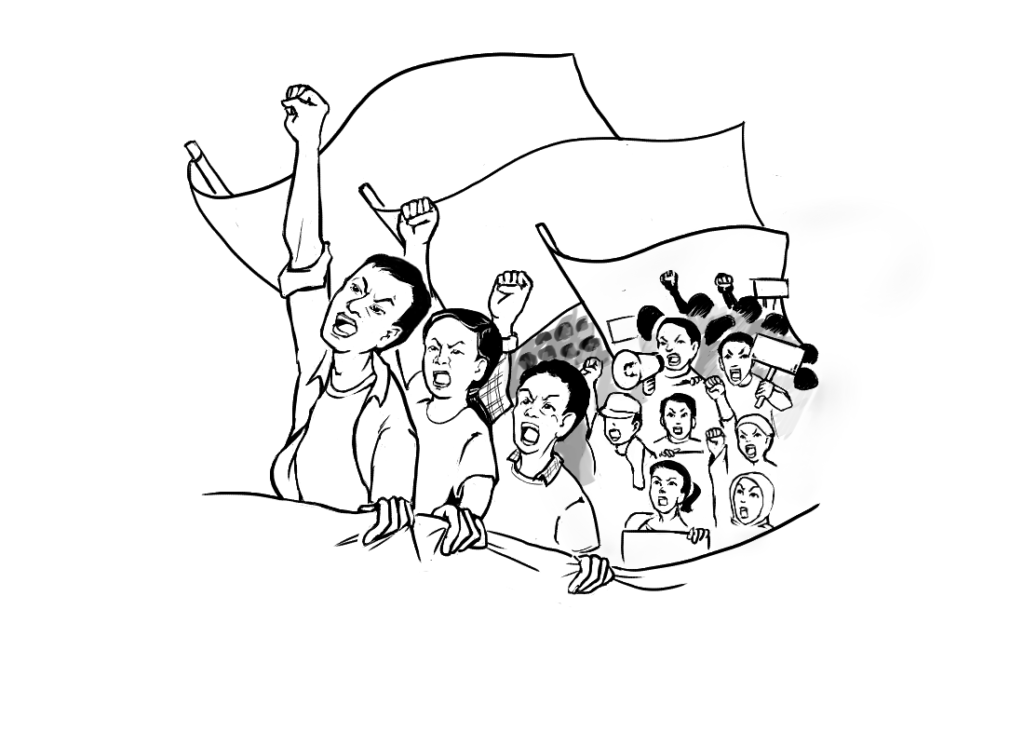
The Fifteen is ours. Fisherfolk groups led by Pamalakaya protested at the Department of Agriculture in Quezon City on May 28 to denounce the surge of commercial fishing within the 15-kilometer municipal waters recognized by the December 2024 Supreme Court decision. The protest also marked National Fisherfolk’s Day on May 31.
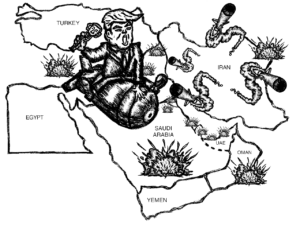
Vendors oppose imperialist war. Hundreds of vendors at Mall of the Valley in Tuguegarao City signed a petition calling for the immediate halt to the US-Israel war of aggression against Iran. They also demanded lower oil prices and financial support for small vendors. They said their income dropped by nearly 60% as oil prices rose.
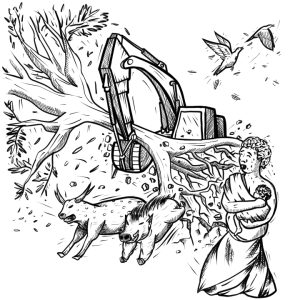
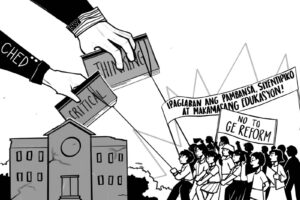
“Poorest de Mayo” of the urban poor. Progressive groups in Metro Manila launched three separate “Poorest de Mayo” parades in the last week of May as a creative protest against poverty. Drawing from the traditional Flores De Mayo, participants wore outfits made of recycled materials reflecting the people’s issues. These included lack of livelihood, low wages, demolitions, the education crisis, environmental destruction, and suffering caused by the wars of the US and Israel in the Middle East.
Investigate the Delpan fire. Kadamay demanded an immediate investigation into the fire at Parola Compound, Delpan, Binondo in Manila that broke out on May 23. A total of 7,123 residents lost their homes and remain in evacuation centers because of the fire. The North-South Harbor Bridge Project of comprador bourgeois Enrique Razon Jr will be built in the community. The project includes a 2.02-kilometer bridge linking Barangay 20 (Parola) to North Harbor and Barangay 649 (Baseco) to South Harbor. Authorities announced its start on May 22, one day before the fire.
Kambalingan, reasserted. In a forum on May 25, displaced residents of Marawi again called for Kambalingan, or a safe, dignified, and genuine return to their communities. Until now, many residents are barred from returning while infrastructure projects rise on their land. Groups criticized the prioritization of expensive projects over basic services and the slow process of compensation. Only 3,187 or 22% of the 14,497 applications have been processed, further worsening the victims’ conditions.