Church people and residents unite against proposed nuclear plant in Pangasinan
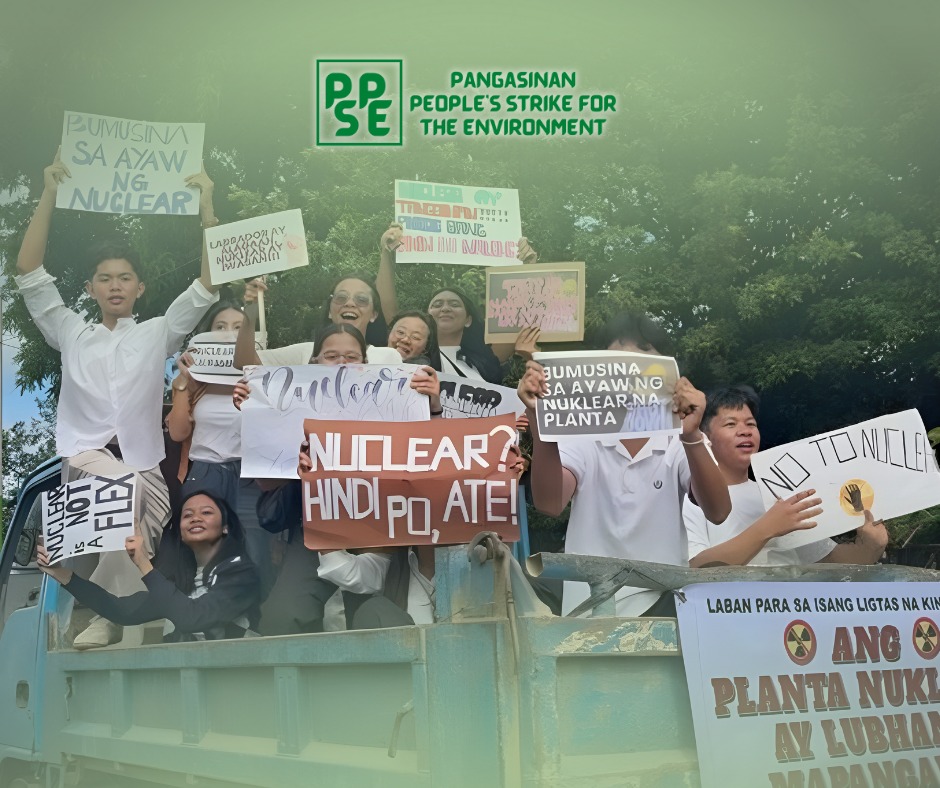
Pangasinan residents resolutely stood against the plan to build a nuclear power plant in Labrador. On January 4, various groups and church people gathered for a mass opposing the project. A protest in the town followed.
Alaminos Diocese Most Rev. Napoleon Sipalay Jr officiated the mass held at St. Isidore the Farmer Parish. In December 2025, at least 30 Catholic Church leaders declared their opposition to the nuclear plant construction in the province.
Residents rejected the project because of safety issues, environmental risks, and its harmful impact on future generations. Those who joined the action included the Pangasinan People’s Strike for the Environment (PPSE).
The proposed 1,000-megawatt nuclear plant costs ₱255 billion and will cover 120 hectares. The plant could later be expanded to produce up to 6,000 megawatts of electricity.
Pushing the project is the province’s second district representative Mark Cojuangco, who also heads the House of Representatives special committee on nuclear energy. The congressman claims the project will help lower electricity rates in the province.
According to PPSE, nuclear plants will not solve the power crisis and poverty. The group said the people’s past experience shows that electricity never becomes free or cheap under the control of big corporations. Instead, it becomes more expensive and results in massive profits for the elite.
The group added that the project poses danger to the lives, environment, and livelihood of residents, as a nuclear plant failure could devastate a disaster-prone area. Labrador lies along the East Zambales Fault, part of the Lingayen Gulf Fault System.
Another problem is nuclear waste which would remain radioactive and toxic to human health for hundreds of thousands of years. PPSE said nuclear power is not “renewable energy,” contrary to the its proponents’ claims, since the nuclear fuel required to run it comes from mines abroad.
Instead of a nuclear plant, PPSE called for developing local alternative and renewable energy sources, alongside support for Filipino scientists, researchers, and engineers in pursuit of genuine national industrialization.
“We also firmly assert that people have the fundamental right to adequate and truthful information, especially on projects that affect their future,” the group said. This was their response to claims of “public support” for the nuclear project.
“The people’s consent or opposition to such projects must undergo genuine democratic consultations and should not be tied to aid or the exchange of basic services they rightfully deserve,” the group added.
The Philippine government approves nuclear plant construction using the newly formed Philippine Atomic Energy Regulatory Authority (PhilATOM). The agency will be responsible for granting licenses, supervision, and enforcing regulations on nuclear energy use.