Correspondence Establishing revolutionary organizations in Barangay Berta
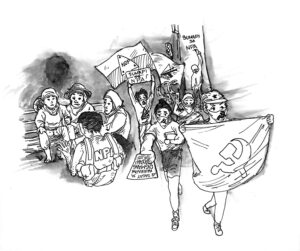
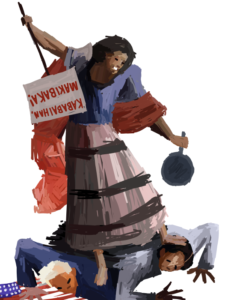
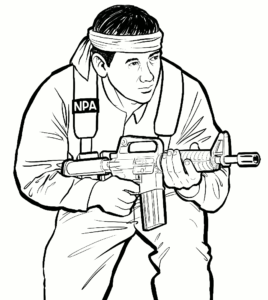
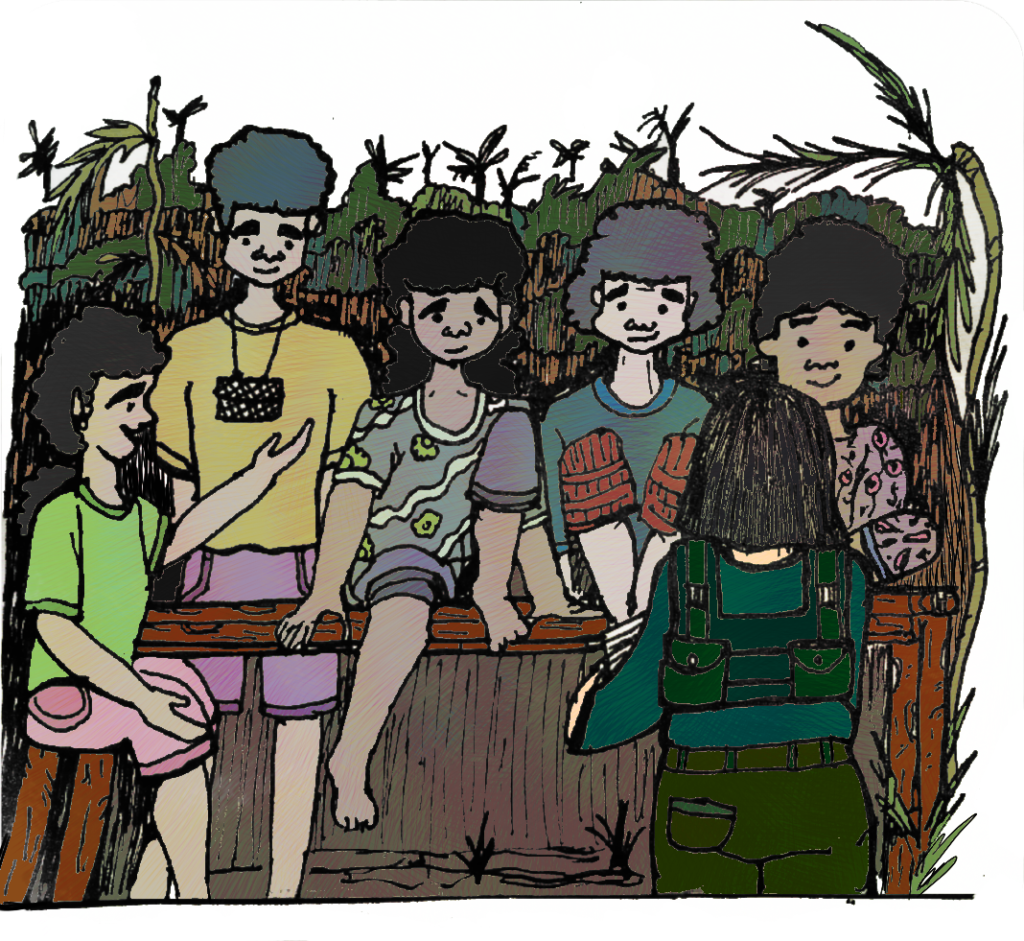
A group of indigenous women defied rain and darkness of night to reach the New People’s Army unit outpost in Barangay Berta in a Southern Tagalog guerrilla front. They warmly accepted the invitation to form the Makabayang Kilusan ng Bagong Kababaihan (Makibaka, or Patriotic Movement of New Women), the revolutionary women’s organization supporting the armed struggle. The gathering was set to mark the International Working Women’s Day.
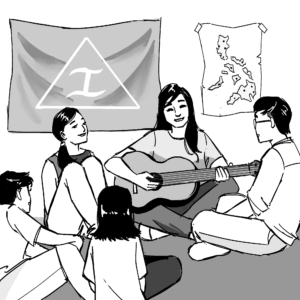
The meeting started with a security orientation, followed by a brief explanation of the purpose of the revolutionary organization’s formation, and introduction of participants and supporters. The importance of unity and the pitfalls of disunity were explained to those present. All agreed to establish the group and immediately chose their leaders. Duties and responsibilities were clarified to all leaders and members.
“We will urge the women who are not here today to join our group,” said Ka Edna, who was among the chosen leaders. The darkness prompted them to schedule the formal study session for the next day.
The indigenous people’s group was also formed earlier that day. This was followed by a study on the Short Course on Philippine Society and Revolution. The instructor tailored the lesson to the literacy and numeracy level of the participants and made it engaging through map drawing and relatable examples. Several videos were also screened before and after the session.
The lively discussion allowed participants to actively share their experiences and knowledge. “Indigenous people are extremely miserable whenever foreign mining encroaches here. We’ll surely be driven out and lose our livelihood,” a group leader Ka Elmer described how imperialism adversely affects them.
They know foreign mining’s threat to the environment. They understood that a few powerful clans’ monopoly and concentration of land deprives them of their own land to cultivate. They work as tenants of small landlords under a 60-40 sharing scheme. They shoulder all the expenses for the coconut farms but lack of funds force them to borrow from the landlords. Their meager earnings sink them deeper in debt. The corrupt reactionary government provides them no help to rise from poverty.
“I even had to pawn my carabao to a trader just to pay for my grandchild’s hospital fees after an accident. Medicine is so expensive! What I earn from extremely undervalued copra is inadequate to pay off my debts,” the group’s oldest Ka Sanny recounted. His voice carried frustration toward the reactionary government ruled by corrupt and crooked officials. He knew its utter incompetence in ensuring their right to health.
The masses secured the barrio while the organizations were being formed. They patrolled and promptly reported their observations to the unit.
The people’s army had not visited the area for years. It was long occupied by state soldiers, prompting the unit to take caution in approaching and assessing the revolutionary movement’s previously organized forces.
“We entered the recovery area and this was the first time that two groups were established in just one day,” team leader Ka Yanny said.
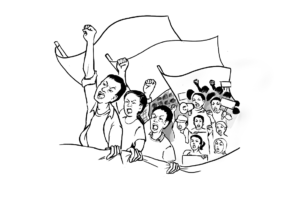
The gatherings concluded with joy among the masses and the youth who were immersed and learning among the Red fighters in the countryside. “I learned a lot from forming the group—how to adapt to the audience, from using appropriate language to explaining theoretical topics using examples they can easily grasp and link to their own experience,” said Ka Mars, a member of Kabataang Makabayan.
“I’ve already learned so much and gained valuable experience in just a few days of being here with the Red army,” Ka Paolo shared. Ka Paolo and Ka Mars are among the urban youth who accepted the revolutionary movement’s call to go to the countryside, to learn, and to contribute to the armed struggle.